Unlike the classic northern circuit of Luang Prabang and Vang Vieng, Southern Laos moves at its own gentler pace. Here, the Mekong widens, massive waterfalls crash through lush rainforests, and ancient temples sit quietly among peaceful rural landscapes. While the north introduces you to the country’s cultural heart, the south reveals its wilder, authentic soul. From the cool coffee plantations of the Bolaven Plateau to the UNESCO-listed ruins of Wat Phou and the serene river life of the 4,000 Islands, this guide covers essential details to help you plan your trip through Southern Laos.
Quick Facts at a Glance
Best Time to Travel:
- November to February: Dry season with cooler temperatures; optimal for river travel and waterfall viewing
- March to May to escape the burning season in Northern Laos and cool off on the Bolaven Plateau.
- June to October: Green Season, when waterfalls roar at their fullest – only if you don’t mind getting wet.
Ideal Trip Length: 5 to 7 Days (Allows time for Pakse, the Bolaven Plateau , Wat Phou, and Si Phan Don / 4000 Islands)
Main Gateway: Pakse
- International Airport (Accessible via direct flights from Vientiane, Bangkok, Siem Reap, and Ho Chi Minh City)
- Overland from Vientiane, Thakhek and Savannakhet by local bus
- Direct border crossing to Thailand’s Ubon Ratchathani
Travel Style & Accessibility: Highly versatile, ranging from self-drive motorbike loops and guided family treks to comfortable private-car tours and luxury riverside eco-lodges.
Why Visit Southern Laos?
While most travelers stick to the classic northern circuit—Luang Prabang, Vang Vieng, and Vientiane, heading south rewards you with an authentic, unhurried journey. Southern Laos blends dramatic landscapes, deep history, and easygoing river living into one seamless experience.
- Fewer Crowds & Slower Pace: Life revolves around the widening Mekong. It is peaceful, genuine, and ideal for escaping heavy tourist trails.
- Unmatched Diversity: Go from standing beneath massive waterfalls and exploring ancient UNESCO-listed ruins to riding through cool highland coffee farms—all in a single trip.
- Accessible Outdoor Adventure: Whether you want to cycle quiet country roads, kayak down riverways, or zip-line past jungle canopies, the region caters to every level of thrill.
- Genuine Local Warmth: Quieter tourism means authentic, unscripted encounters with local coffee growers, boat captains, and rural villagers.
The Best Places to Visit in Southern Laos
Southern Laos is a vast region, but a few destinations are essential starting points for travelers looking to venture off the beaten path.
1. Pakse
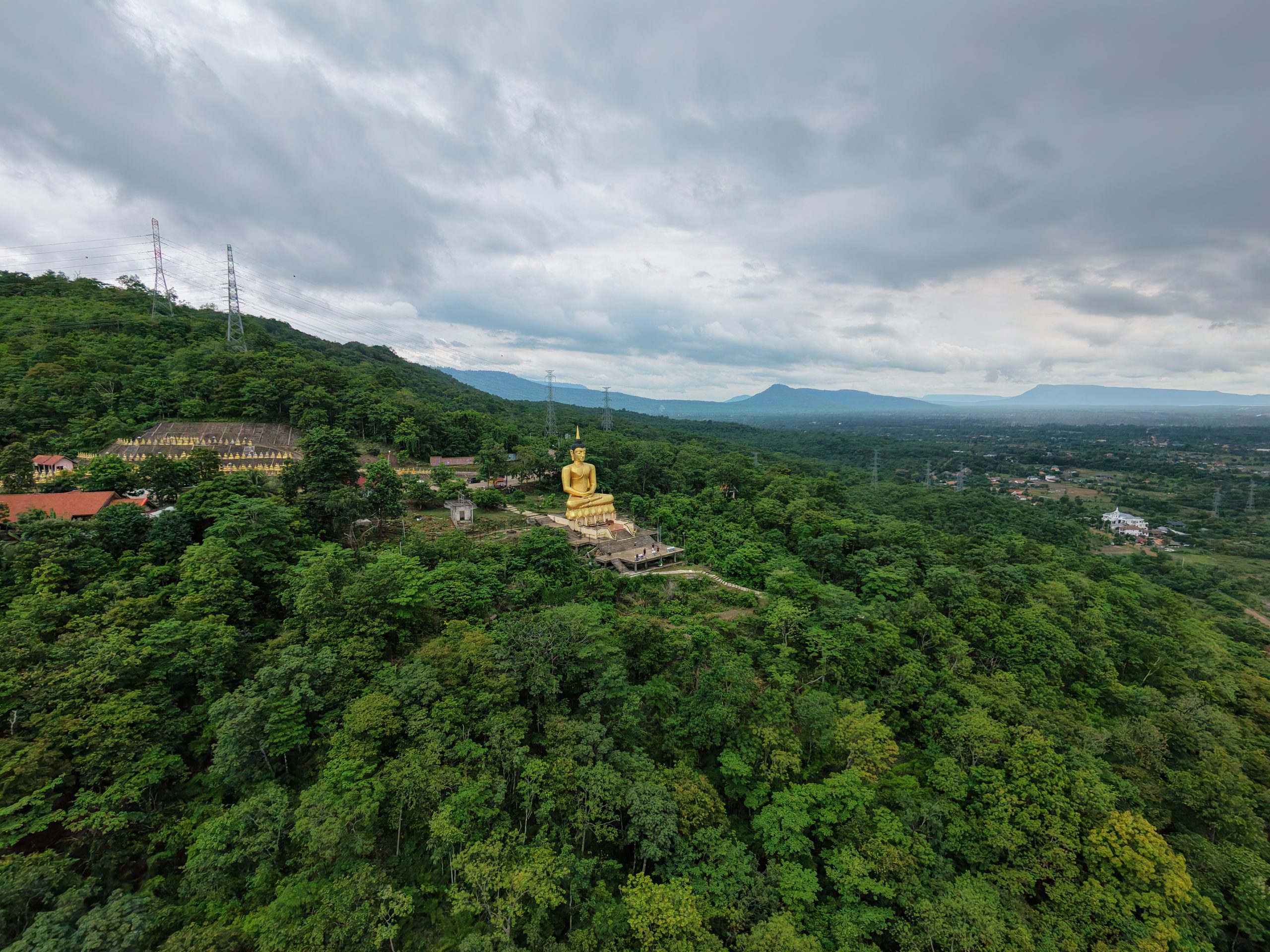
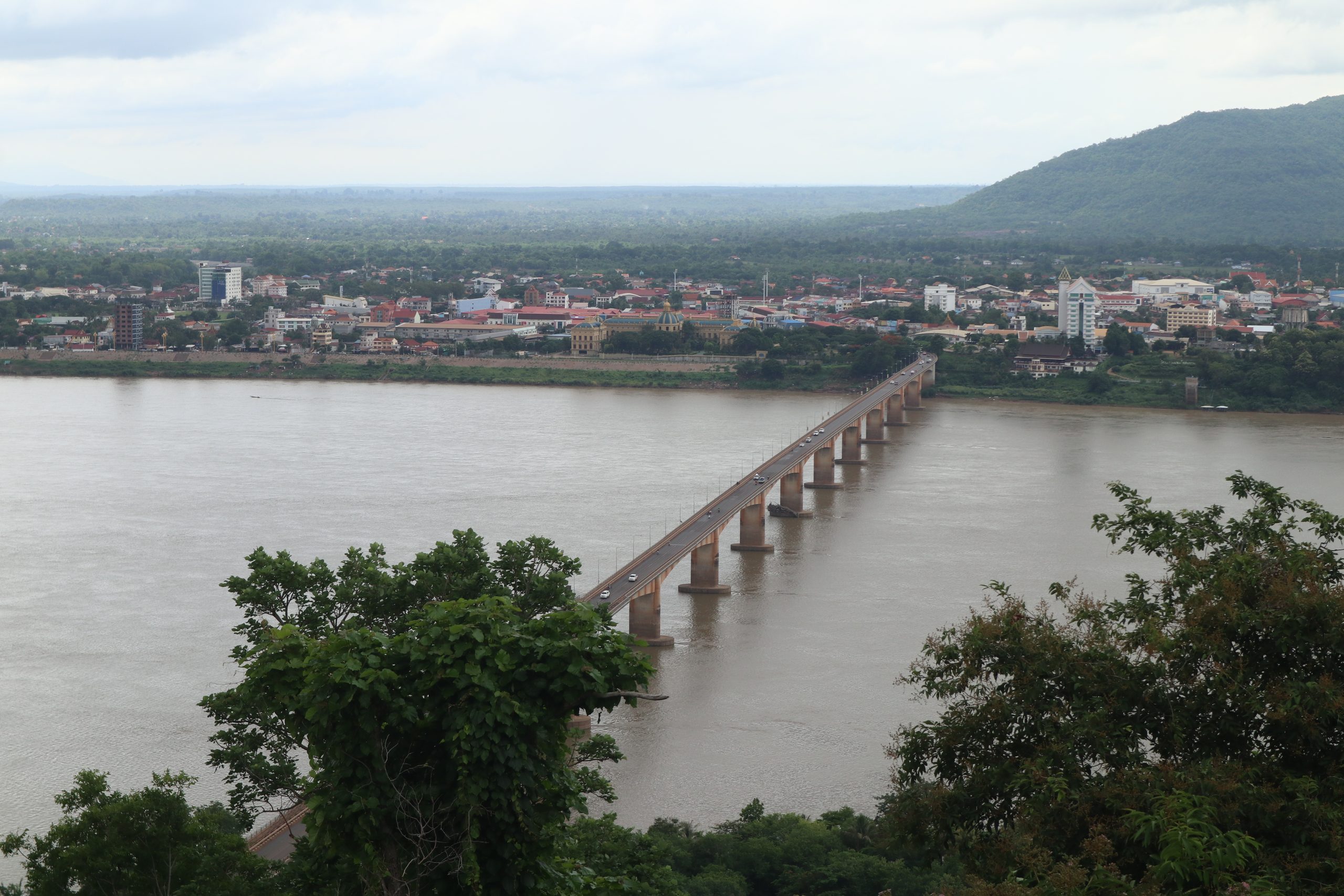
Pakse is the main gateway to Southern Laos and your launching pad for deep-country exploration. Sitting right at the quiet confluence of the Mekong and Xe Don rivers, the city itself moves at a relaxed, unhurried pace. While it offers great local night markets and sunset river views, Pakse’s true value lies in its location. From here, your journey opens up toward the lush trails of the Bolaven Plateau, the ancient ruins of Wat Phou, and the remote riverways further south.
2. Bolaven Plateau
Rising above the southern lowlands, the Bolaven Plateau is an elevated sanctuary of cool mountain air, volcanic soil, and raw natural beauty. Known as the ultimate playground for nature lovers and coffee enthusiasts, this high-altitude region offers a refreshing counterpoint to the heat of the plains.
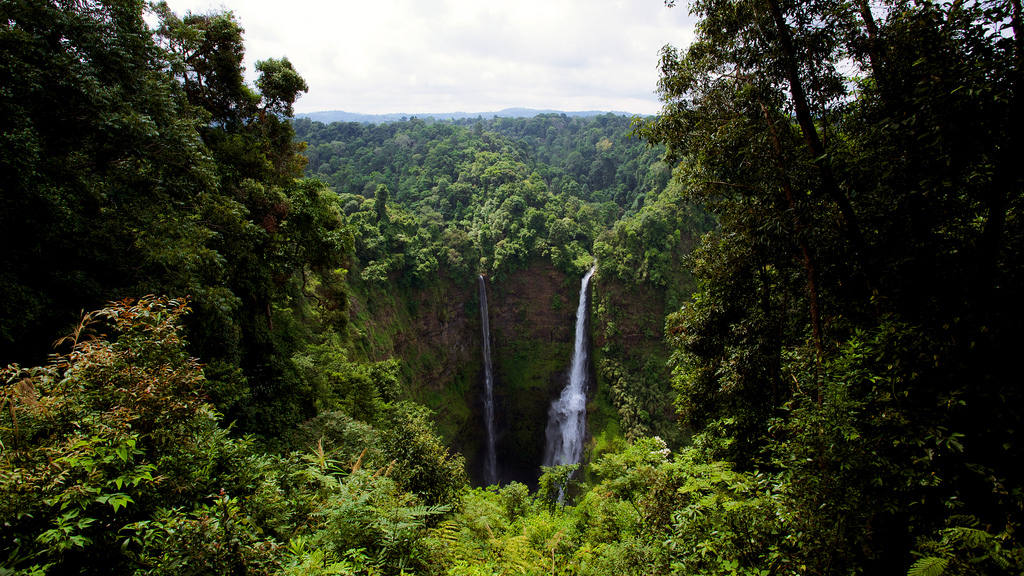
The fertile plateau is the heart of Lao coffee production, where small family farms yield world-class Arabica and Robusta. Beyond the plantations, the region’s rugged topography carves out some of Southeast Asia’s most spectacular waterfalls, including:
- Tad Fane: A 120-meter twin waterfall plunging into a deep jungle canyon.
- Tad Gneuang: A striking, lush cascade featuring accessible trails and misty viewpoints.
- Tad Lo: Serene, multi-tiered falls tucked beside peaceful rural villages.
Exploration here is all about the journey: winding through remote mountain passes, stopping at local roasting sheds, and discovering ethnic communities along the trail.
3. Wat Phou
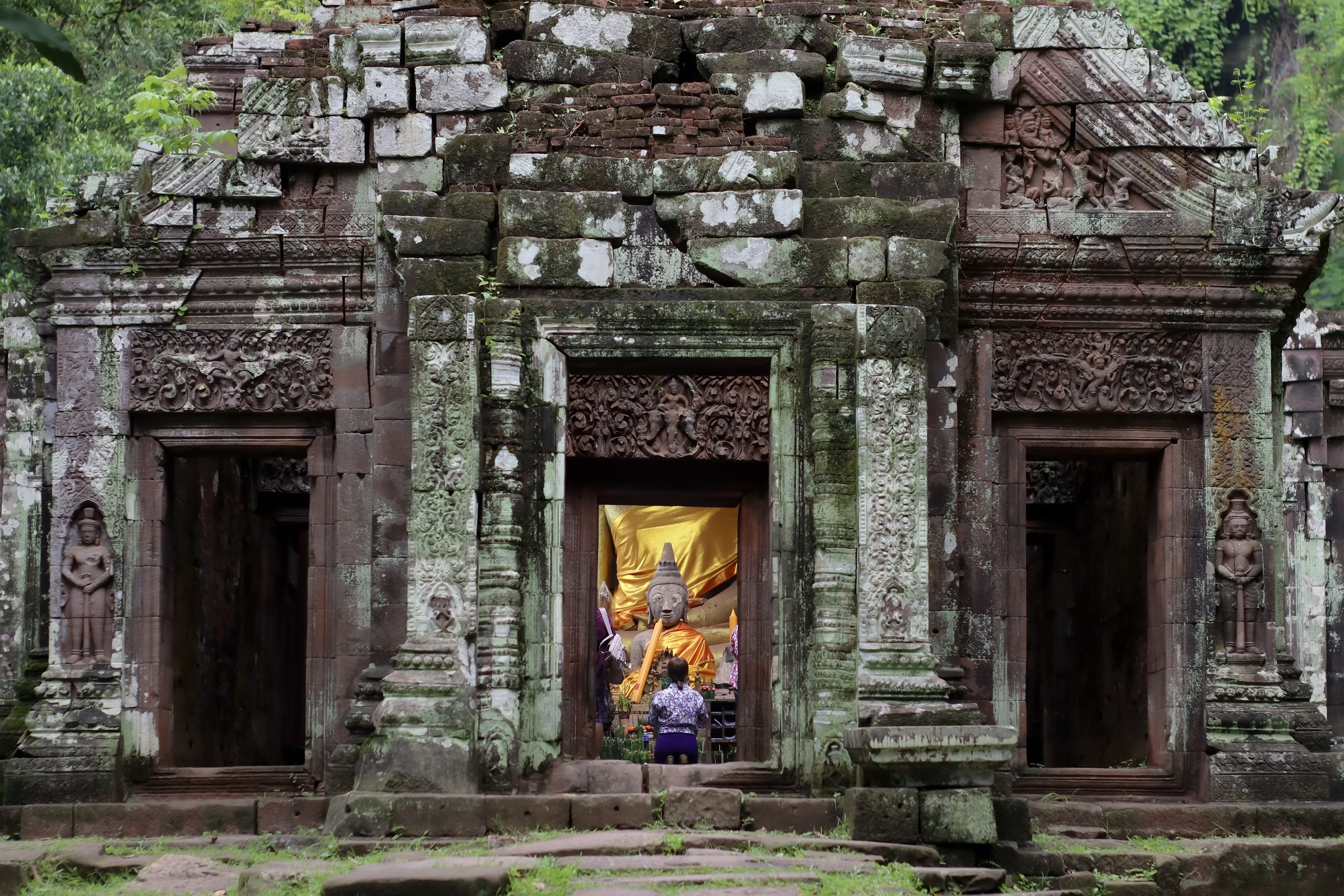
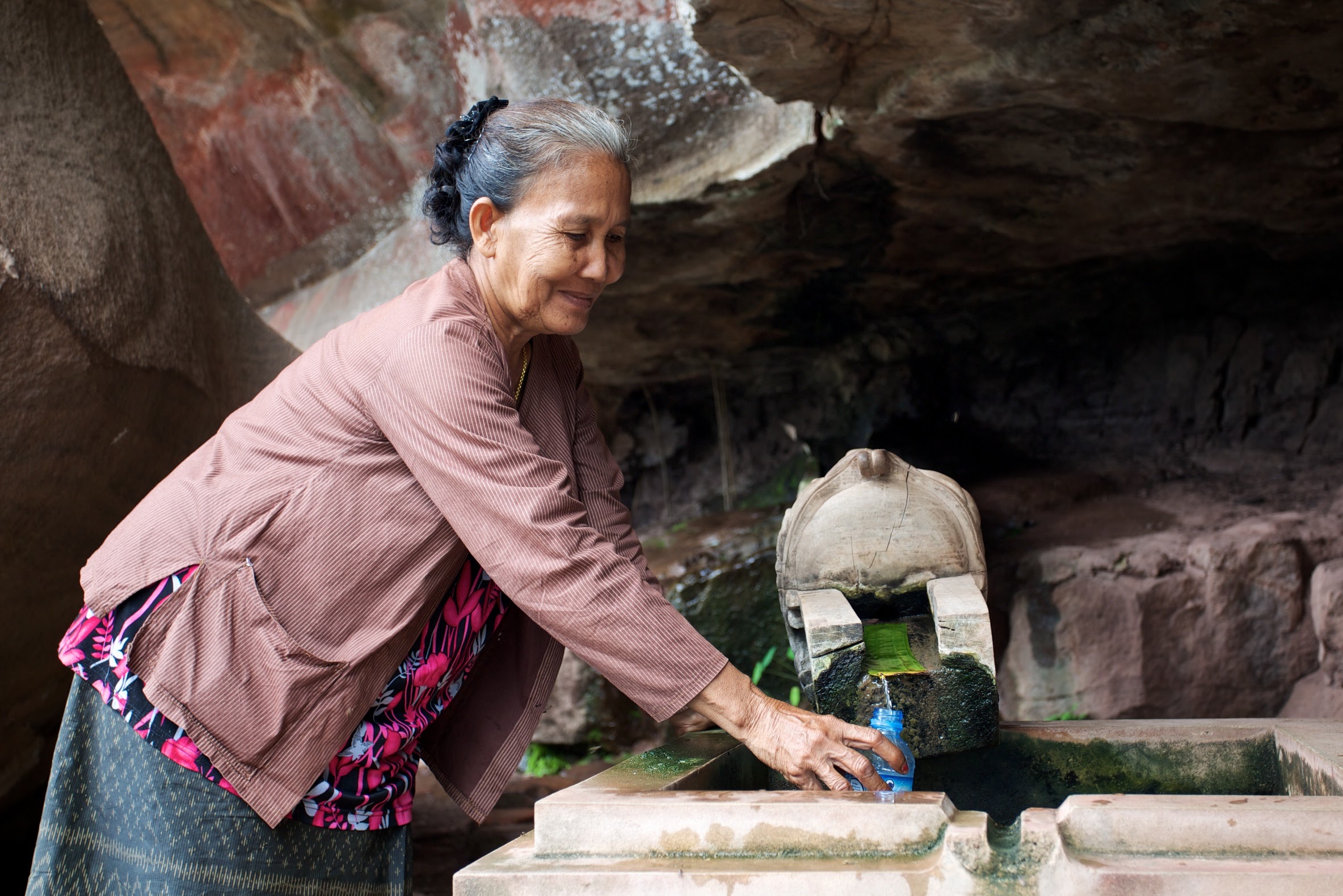
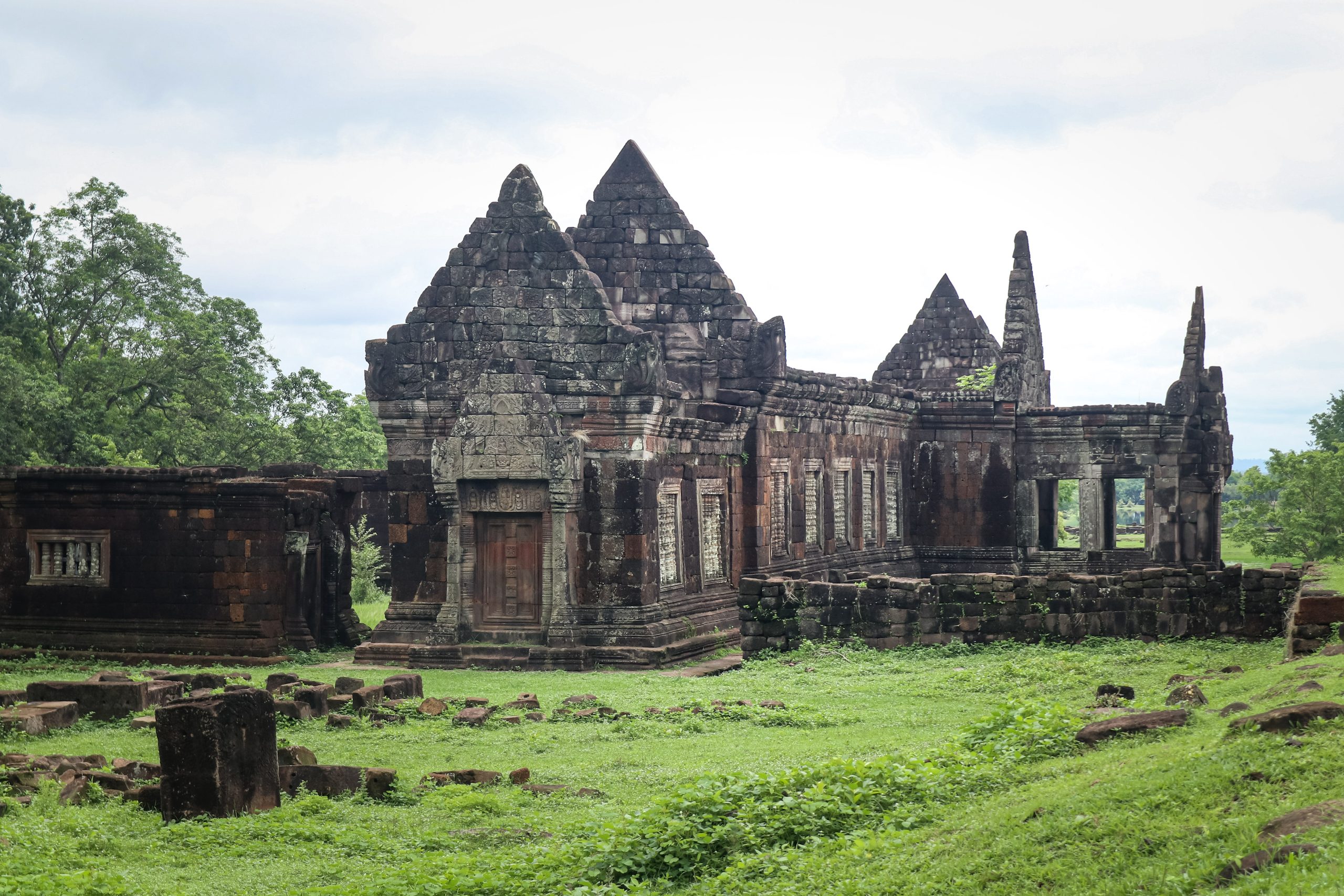
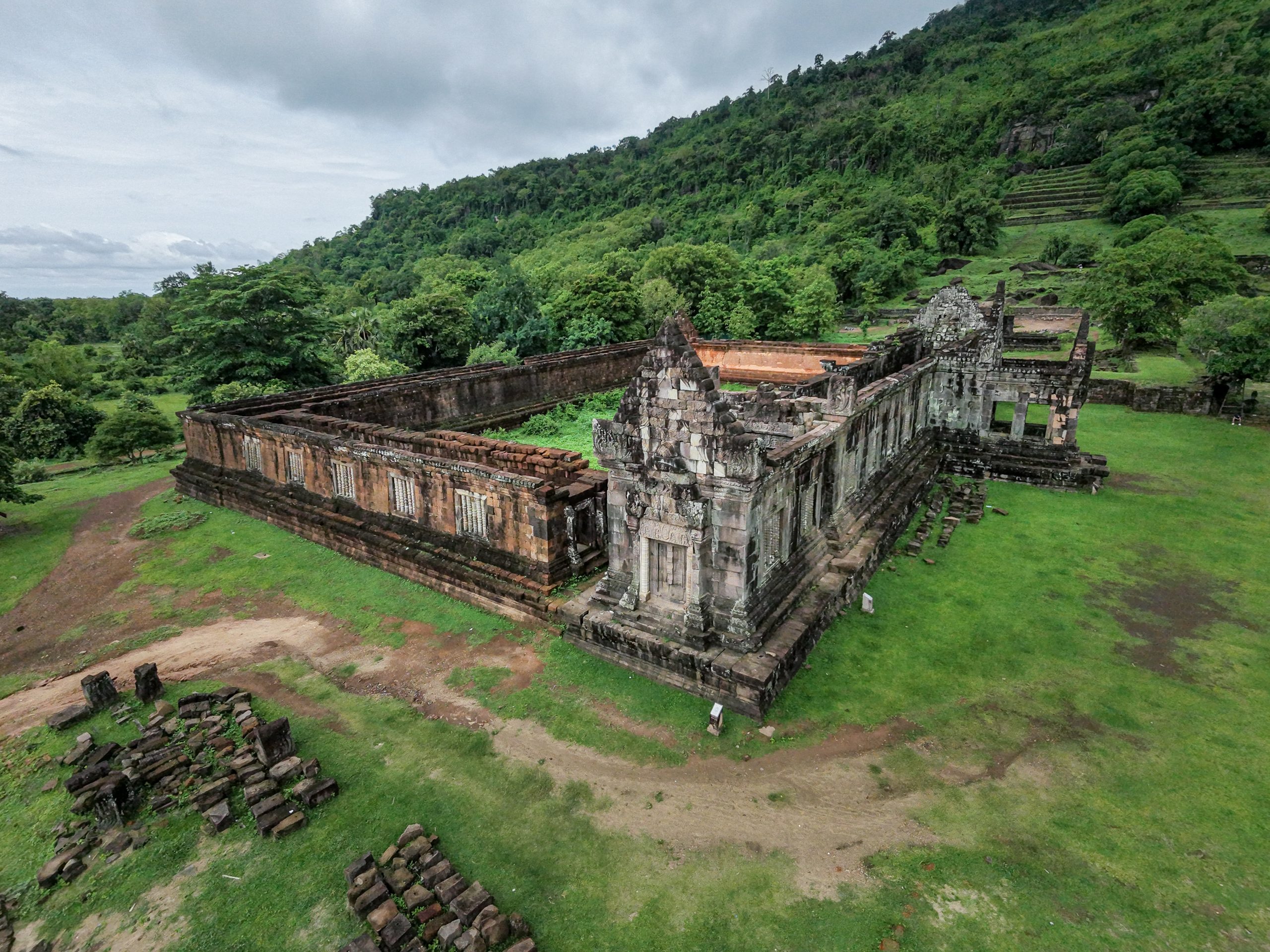
Tucked beneath the sacred peak of Mount Phou Kao, Wat Phou is a UNESCO World Heritage site that predates Angkor Wat itself. This ancient Khmer sanctuary offers a profound look into the region’s spiritual history, where stone-carved ruins blend seamlessly with the surrounding jungle and mountain slopes.
Unlike the gilded, active temples of Luang Prabang or Vientiane, Wat Phou carries a quiet, mystical atmosphere. As you climb the steep stone stairways lined with ancient Frangipani trees, the site unfolds tier by tier, revealing weathered sandstone carvings, sacred natural springs, and sweeping views across the Mekong Valley. .
4. Champasak
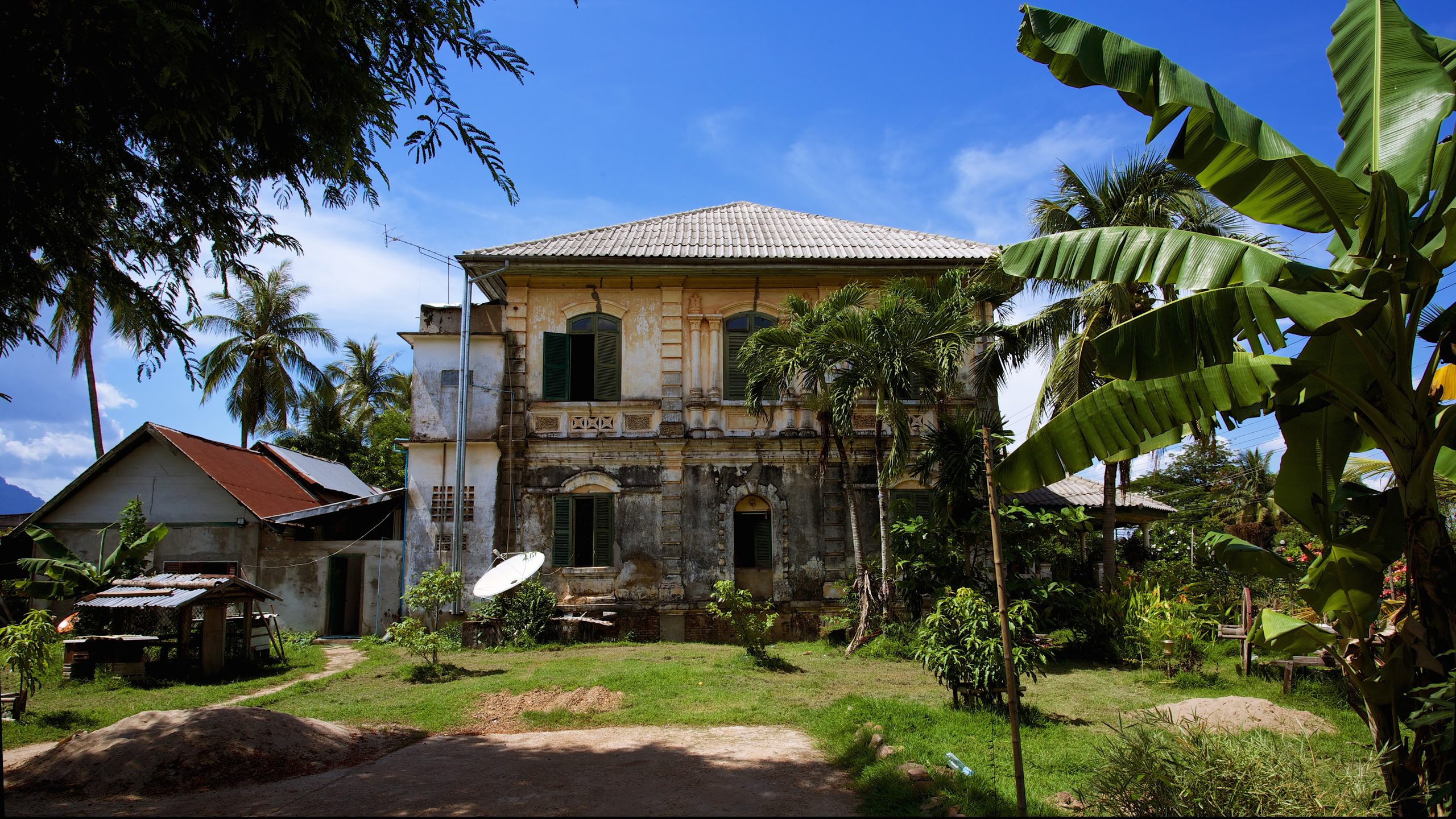
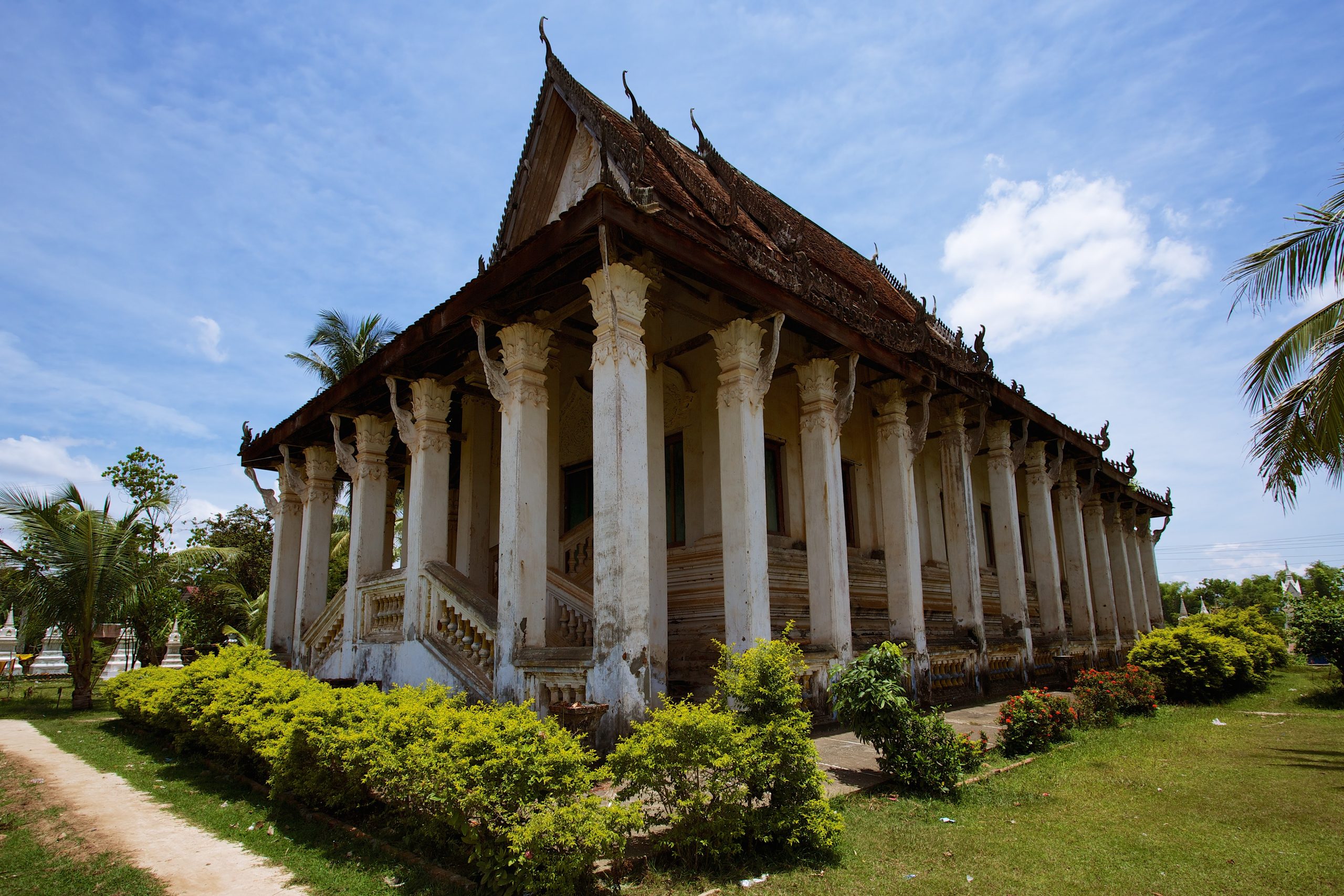
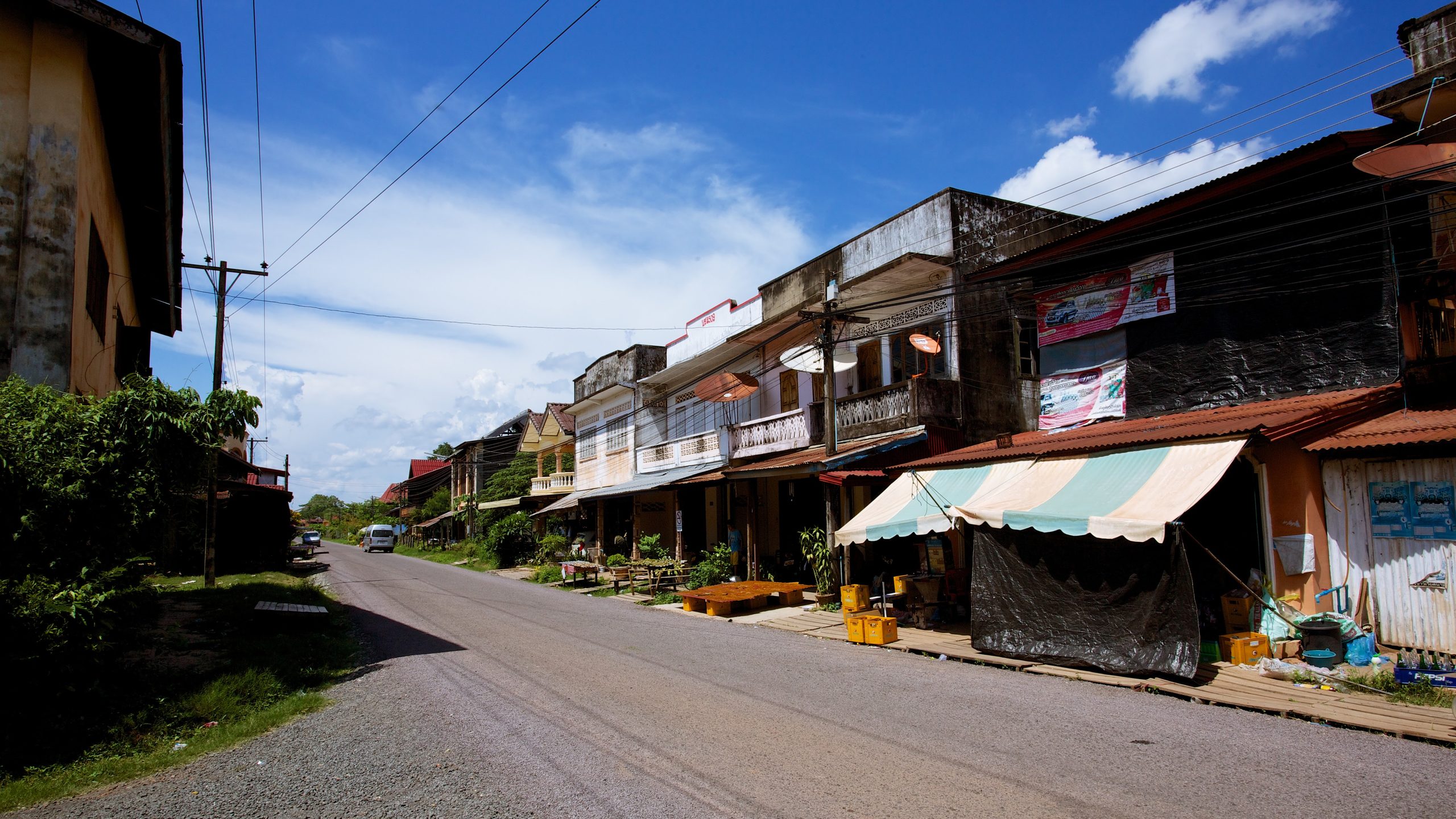
Champasak is a historic riverside district stretching peacefully along the banks of the Mekong. Once a royal seat, this quiet enclave of French colonial shop-houses and traditional wooden homes serves as the natural base for exploring nearby Wat Phou.
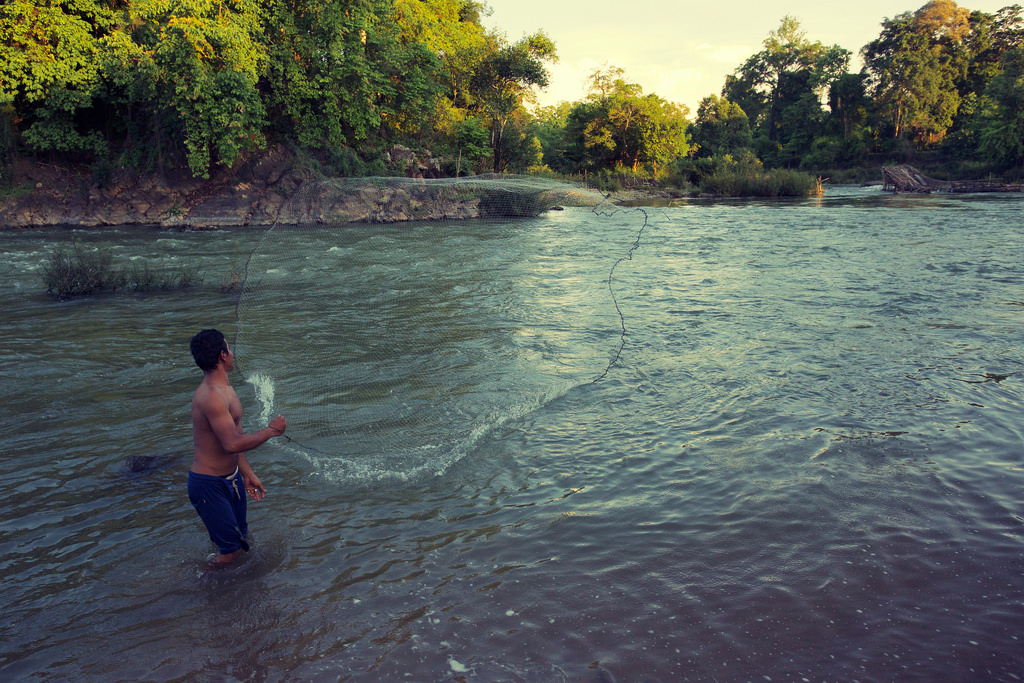
Rather than treating Champasak as a quick waypoint, staying here lets you absorb the gentle rhythms of rural Laos. Rent a bicycle to pedal down shaded back roads, watch local fishermen work the Mekong at golden hour, or take a private longtail boat to explore the quiet river islands nearby.
5. Si Phan Don — The 4,000 Islands
Near the border with Cambodia, the Mekong expands to its widest point, creating a tropical archipelago of thousands of islands, channels, and sandbars, known as Si Phan Don. Here, the river stretches nearly 14 kilometers wide, creating an aquatic world where life is governed entirely by the tides and the sun.
Each main island offers a distinct pace for explorers:
- Don Det: Laid-back and vibrant, featuring riverside bungalows, sunset spots, and easy bicycle tracks connecting to neighboring islands.
- Don Khon: Connected to Don Det by a historic French railway bridge, this quieter island is packed with heritage sites, old locomotives left to rust, and the roaring Li Phi Falls.
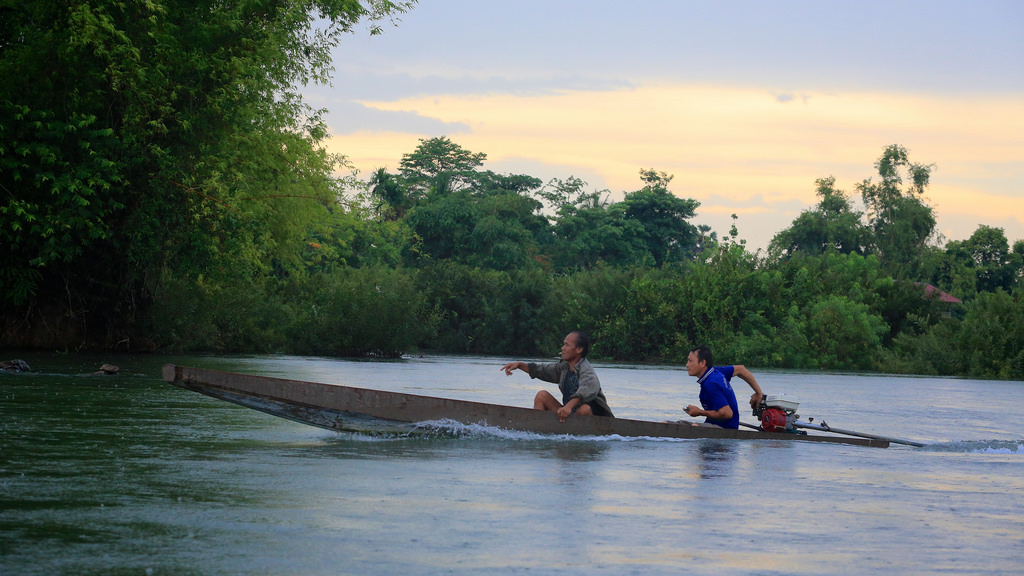
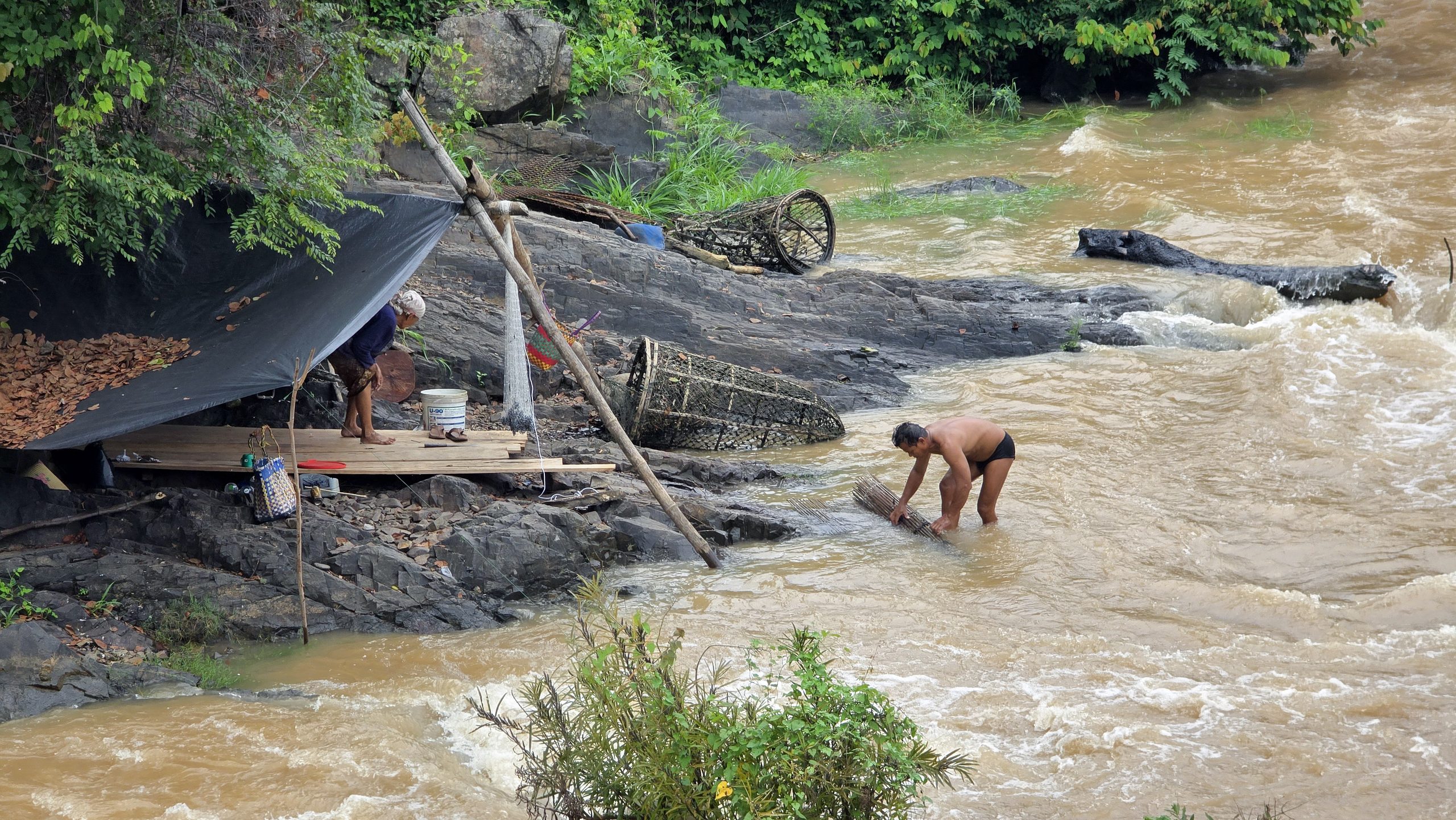
- Don Khong: The largest island in the archipelago, offering off-the-grid tranquility, traditional fishing hamlets, and an authentic glimpse into riverine culture away from the main trails.
Must-See Waterfalls in Si Phan Don:
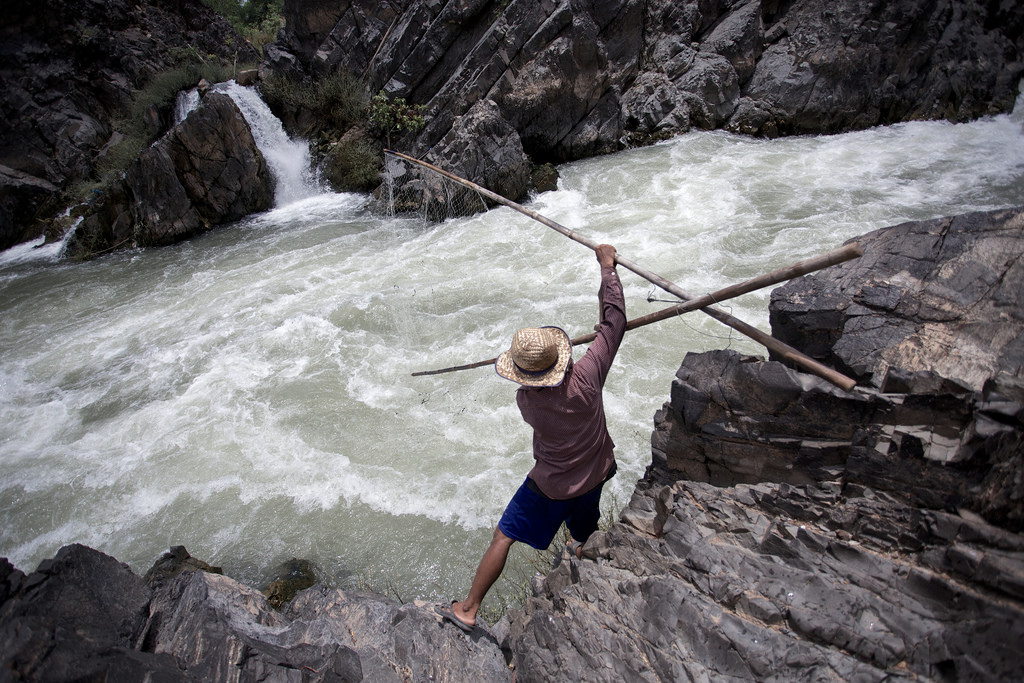
- Li Phi Falls (Tat Somphamit): Located directly on Don Khon, this series of surging river rapids cascades through jagged rock formations. It is easily reachable by bicycle and features walking trails, suspension bridges, and dramatic viewpoints.
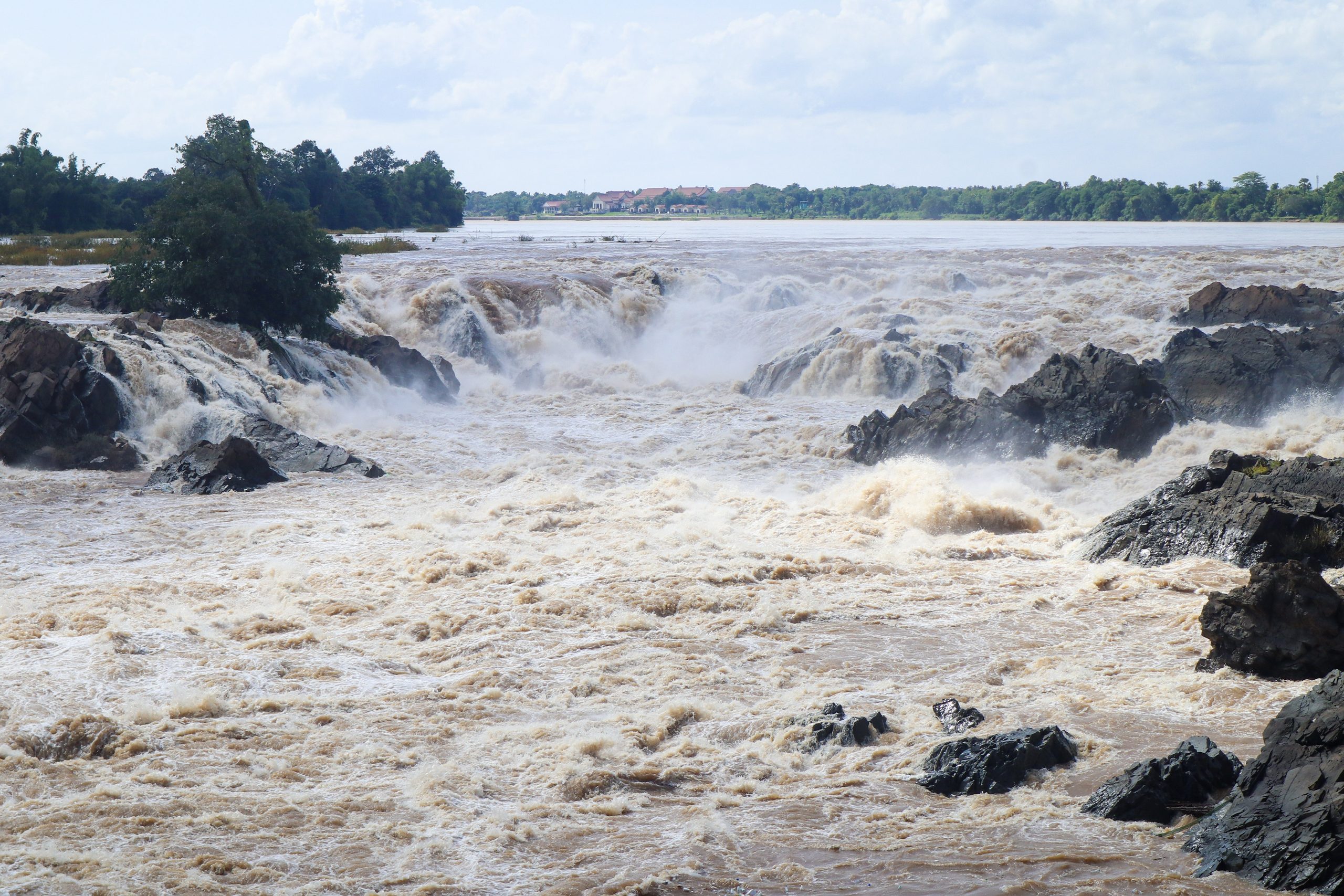
- Khone Phapheng Falls: Known as Southeast Asia’s largest and widest waterfall by volume, this thunderous torrent spans thousands of meters across the Mekong near the mainland border. It is a raw demonstration of the river’s sheer power.
- Khon Pa Soi Falls: A quieter, lesser-visited cascade tucked away on the eastern side of Don Khon, reached via a wooden suspension bridge over roaring rapids.
Life here is best experienced at a slower pace: cycling along quiet dirt tracks, crossing French-era railway bridges, kayaking through emerald channels, and watching the Mekong glow at sunset.
When Is the Best Time to Visit Southern Laos?
Southern Laos is a year-round destination, but each season brings a completely different character to the region’s rivers, waterfalls, and highlands.
Cool & Dry Season — November to February
- The Vibe: Peak conditions for active exploration.
- Expect comfortable temperatures, low humidity, and clear blue skies. River levels remain high enough for easy boat travel through Si Phan Don, while the plateau air stays pleasant.
- Best for: Trekking, long-distance cycling, and multi-day sightseeing without the heat.
Hot Season — March to May
- The Vibe: Sunny, quiet, and unhurried.
- Temperatures rise significantly across the lowlands. However, escaping to the elevated Bolaven Plateau offers immediate relief with its cooler mountain climate.
- Best for: Uncrowded trail exploration, coffee plantation tours, and travelers who prefer a slower, quiet pace.
Green Season — June to October
- The Vibe: Dramatic landscapes at full volume.
- Rains transform the south into a sea of emerald green—rice fields pop, the Mekong rises, and cascades like Tad Fane and Khone Phapheng reach their most powerful flow. Rains usually arrive in short, heavy afternoon showers rather than all-day downpours.
- Best for: Waterfall chasing, landscape photography, green season trekking, and lower travel crowds.
How Many Days Do You Need in Southern Laos?
There is no single way to explore the south, but giving yourself enough time to move between the highland plateaus and river islands is key. Because distances here rely on overland roads and riverways, 5 to 7 days is the sweet spot for a complete, well-paced expedition.
- 3 to 4 Days (The Southern Highlights):
- Focus: Pakse – Bolaven Plateau – Wat Phou & Champasak
Best if you have limited time but want to experience high-altitude waterfalls, local coffee plantations, and ancient UNESCO heritage without rushing.
- 5 to 6 Days (The Classic Expedition — Recommended):
- Focus: Pakse – Bolaven Plateau – Champasak & Wat Phou – 4,000 Islands
This balanced route allows you to combine cool mountain coffee trails and ancient Khmer ruins with two full days of island cycling and river life in the far south.
- 7+ Days (The Deep Country Circuit):
- Focus: Pakse – Savannakhet – Bolaven Plateau – Champasak & Wat Phou – 4,000 Islands
For travelers who want to venture further off the beaten track. Adding historical stops like Savannakhet or multi-day trekking in national park areas lets you experience the true depth of Southern Laos at a genuinely unhurried pace.
Pro Tip: The longer you linger in the south, the more your journey shifts from simply ticking sights off a list to experiencing the rhythm of the South.
Traveling Responsibly in Southern Laos
One of the most rewarding parts of exploring Southern Laos is moving off the beaten track and connecting with rural communities along the way. But as we travel through these remote valleys and river islands, it’s vital to remember that these landscapes are not just backdrops. They are vibrant living spaces and home to local families.
Traveling responsibly doesn’t mean giving up comfort or adventure. It simply means treading lightly, honoring local life, and ensuring that tourism leaves a positive footprint on the trails we share.
- Respect the Moment: Always ask for permission before taking photos of villagers or children.
- Honor Local Customs: Dress modestly when stepping into temples, spiritual sites, or rural villages (covering shoulders and knees).
- Keep Money in the Community: Support local coffee farmers, hire village guides, eat at family-owned eateries, and buy local handicrafts.
- Leave No Trace: Keep trails clean, and respect delicate river ecosystems: try to avoid single-use plastic and bring all waste back when venturing into nature.
- Choose Purposeful Experiences: Select community-focused activities that directly fund local livelihoods and protect natural heritage.
Getting Around Southern Laos
Navigating Southern Laos requires a shift in travel mindset. Unlike the north, which is connected by the high-speed Lao-China Railway, the south relies entirely on overland highways, mountain passes, and riverways.
While public buses and self-drive motorbikes exist, traveling with private transportation and a dedicated local guide is by far the most seamless, safe, and enriching way to experience the region.
- Private 4×4 or Minivan (Comfort & Efficiency): Distance between highlights in the south can be vast from the cool elevations of the Bolaven Plateau down to the dusty riverbanks opposite Si Phan Don. A private vehicle with an experienced local driver ensures comfort, safety on winding mountain routes, and the flexibility to pull over whenever a scenic coffee farm or roadside viewpoint catches your eye.
- The Power of a Local Guide: Having an experienced local guide unlocks doors that independent travelers miss. Beyond navigating language barriers in rural villages, a guide provides deep context explaining ancient Khmer iconography at Wat Phou, introducing you to coffee growers on the plateau, and sharing the living histories of local ethnic communities.
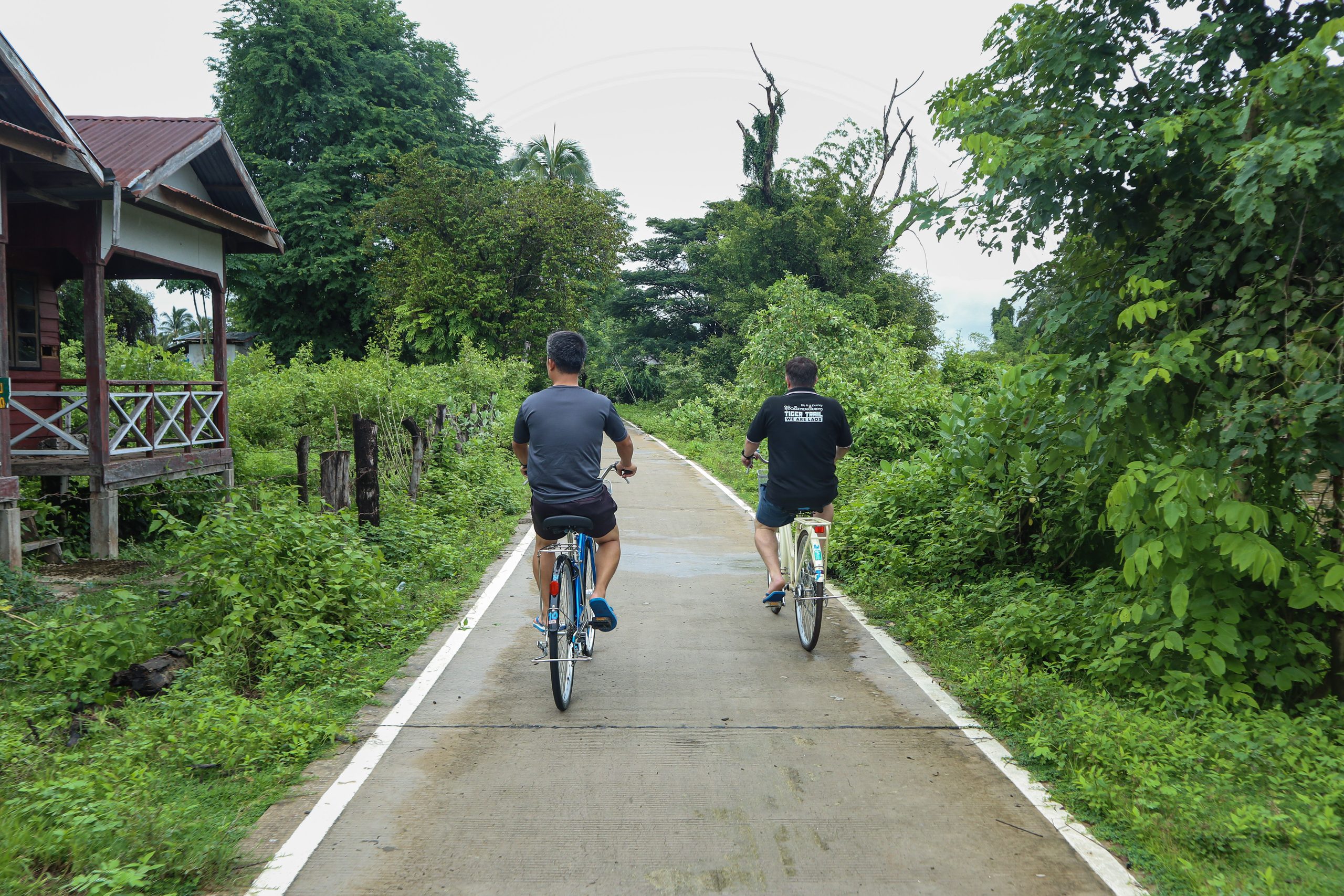
- Island Biking in Si Phan Don: Once you cross onto islands like Don Det and Don Khon, leave motorized transport behind. Renting a bicycle is easily the most rewarding way to get around, pedaling down flat dirt tracks and across the historic French railway bridge to roaring waterfalls.


Experiencing the Real South beyond the Highlights
While the ancient temples, roaring waterfalls, and serene islands belong on every itinerary, the true magic of Southern Laos lives in the spaces between them. The real adventure isn’t found by rushing from one landmark to the next. It is discovered when you slow your pace and let the trail unfold naturally.
Leave room in your journey for the unscripted moments:
- Pause at a family coffee farm: Pull over on the Bolaven Plateau to learn how farmers harvest, dry, and roast Arabica beans by hand.
- Share a village lunch: Sit down at a roadside eatery for fresh papaya salad and sticky rice, watching village life pass by.
- Take the back roads: Rent a bicycle to ride through dirt lanes lined with wooden stilt houses, far away from main tourist thoroughfares.
- Connect with local guides: Spend time talking with your boat captains and trekking guides. Their personal stories reveal a depth to the region no guidebook can match.
- Watch the river at dusk: Pause along the banks of the Mekong as local fishermen cast their traditional nets into the golden evening light.
Ready to Discover Southern Laos?
Let our local experts handle the logistics, remote trails, and insider connections while you focus on the journey. Start planning your Southern Laos expedition with Tiger Trail today.