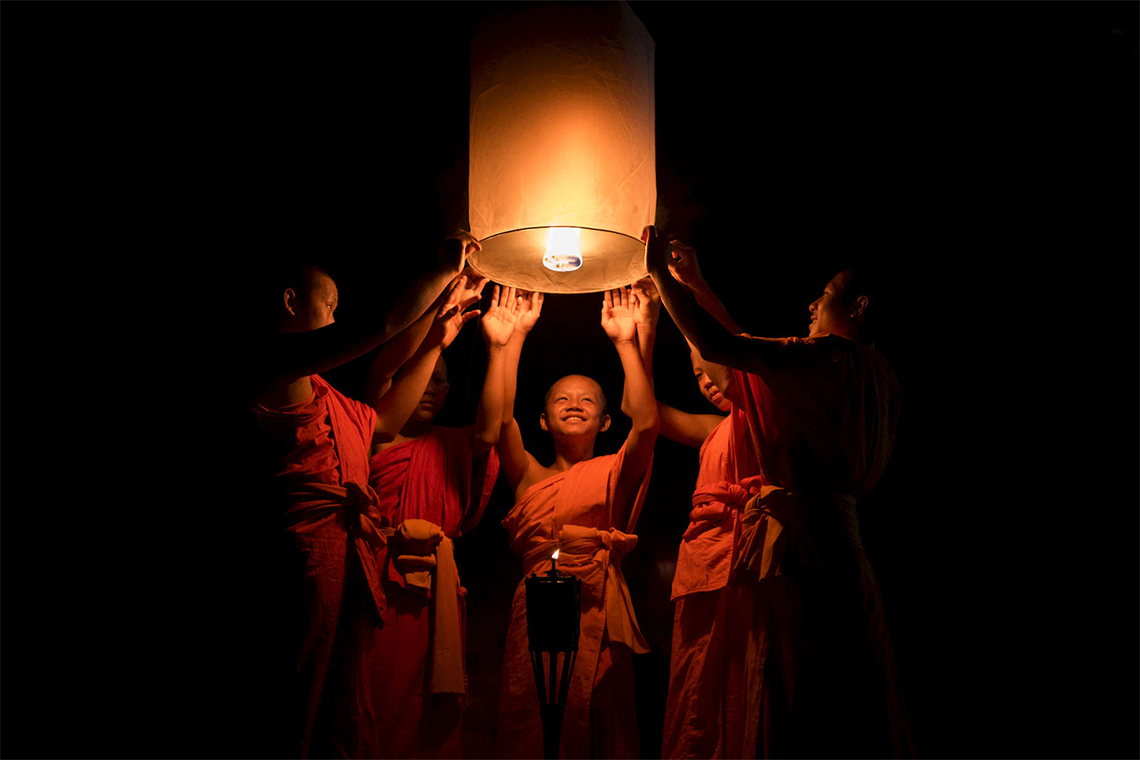
Every October, Luang Prabang trades its quiet evenings for a town-wide celebration of light, tradition, and community. During Boun Lai Heua Fai, streets, ancient monasteries, and the Mekong riverbank are illuminated by thousands of colorful paper lanterns and floating fire boats.
Beyond the breathtaking sight of flickering lights drifting down the water, this festival holds profound spiritual significance for Lao families, rooted in centuries of Buddhist tradition.
Whether you plan to join the candlelit evening or simply want to understand the heritage behind the lights, here is what makes this festival so special and how to take part.
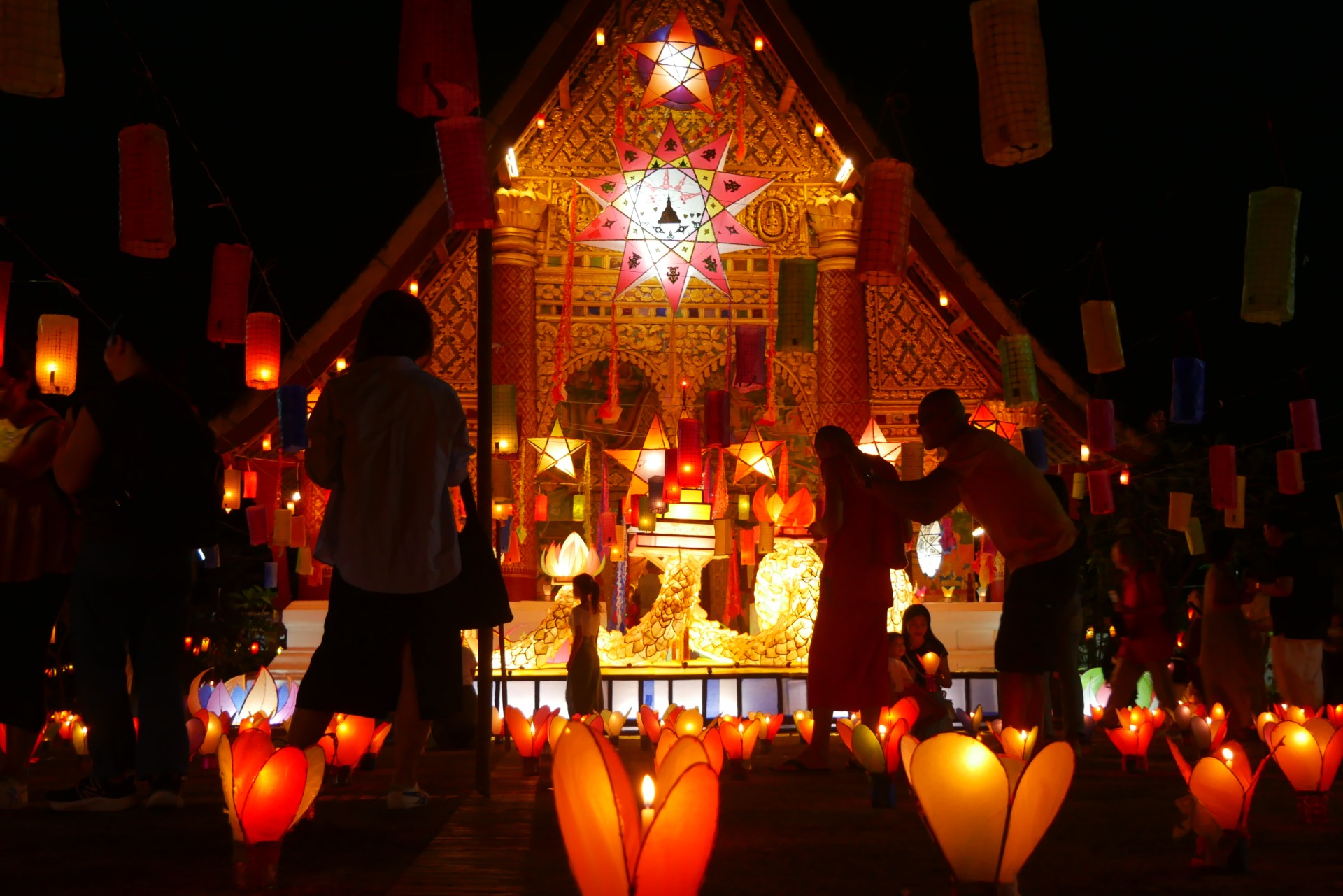
What Is Boun Lai Heua Fai?
As the tropical rainy season draws to a close, Luang Prabang prepares for one of its most visual and emotionally resonant events, Boun Lai Heua Fai, the traditional Lao Festival of Light.
Boun Lai Heua Fai literally translates to the “Festival of Floating Fire Boats.” During this annual event, Luang Prabang comes alive with paper lanterns, illuminated temple yards, and flickering fire boats floating gently down the Mekong.
Why Is It Celebrated?
Boun Lai Heua Fai is an act of gratitude and renewal for Lao people. The festival serves three deeply held spiritual purposes.
- Honoring the River Spirits (Nagas): The glowing boats pay tribute to the ancient serpent spirits believed to inhabit and protect the Mekong and Nam Khan rivers.
- Asking Forgiveness from Mother Water: Releasing floating offerings is a symbolic way to ask forgiveness from the rivers for using and polluting their waters throughout the year.
- Washing Away Misfortune: Lighting candles and casting offerings into the current represents letting go of past mistakes, bad luck, and negative energy to welcome a peaceful year ahead.
Boun Lai Heua Fai is directly tied to Ok Phansa, the sacred day marking the official end of the three-month rain retreat (Vassa) for Theravada Buddhist monks. During Phansa, monks remain inside their monasteries for intense meditation and study. As this retreat ends on the full moon of the 11th lunar month, local communities gather at the temples to make merit, listen to evening chants, and celebrate the monks’ return to community life with light and fire offerings.
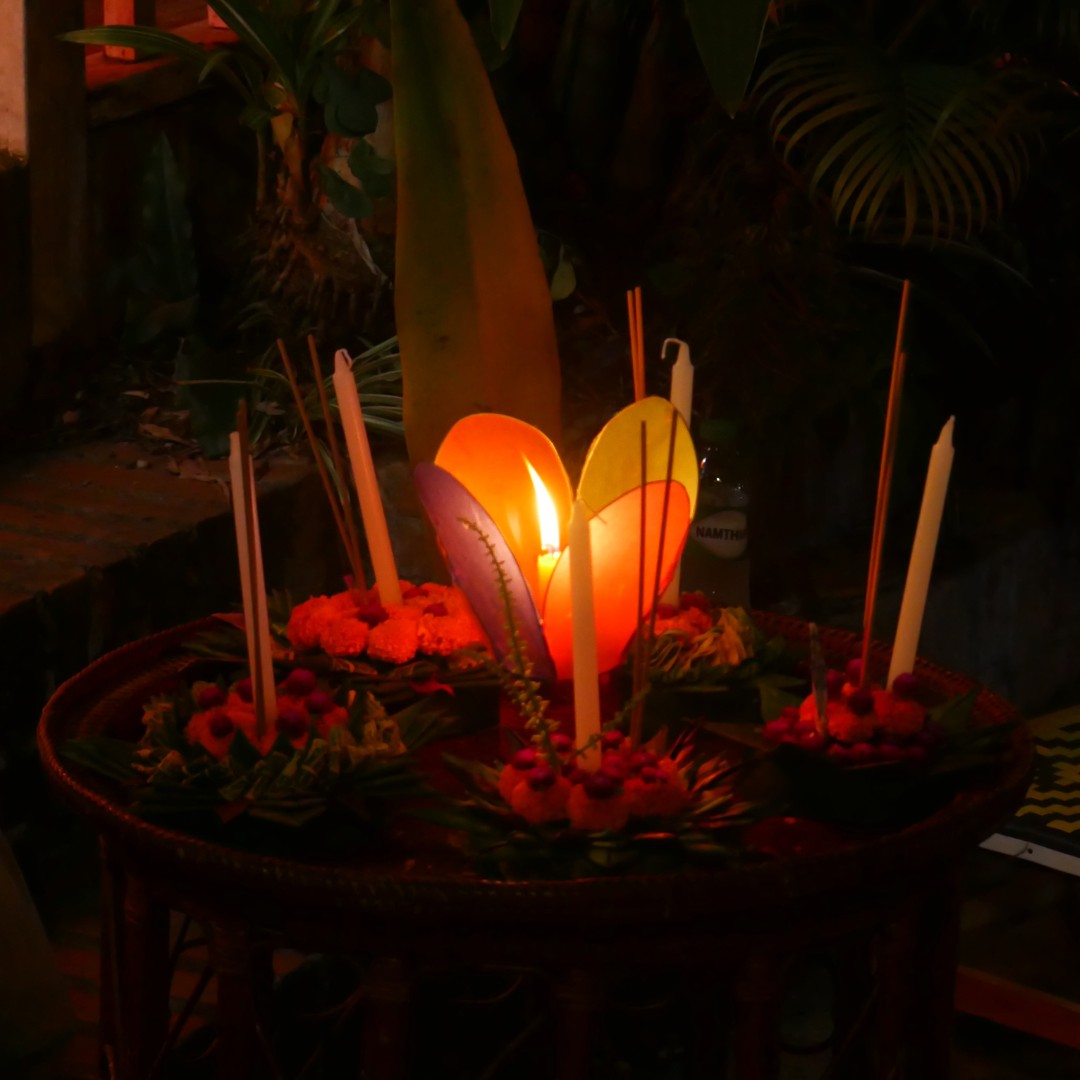
Why It Is Especially Important in Luang Prabang
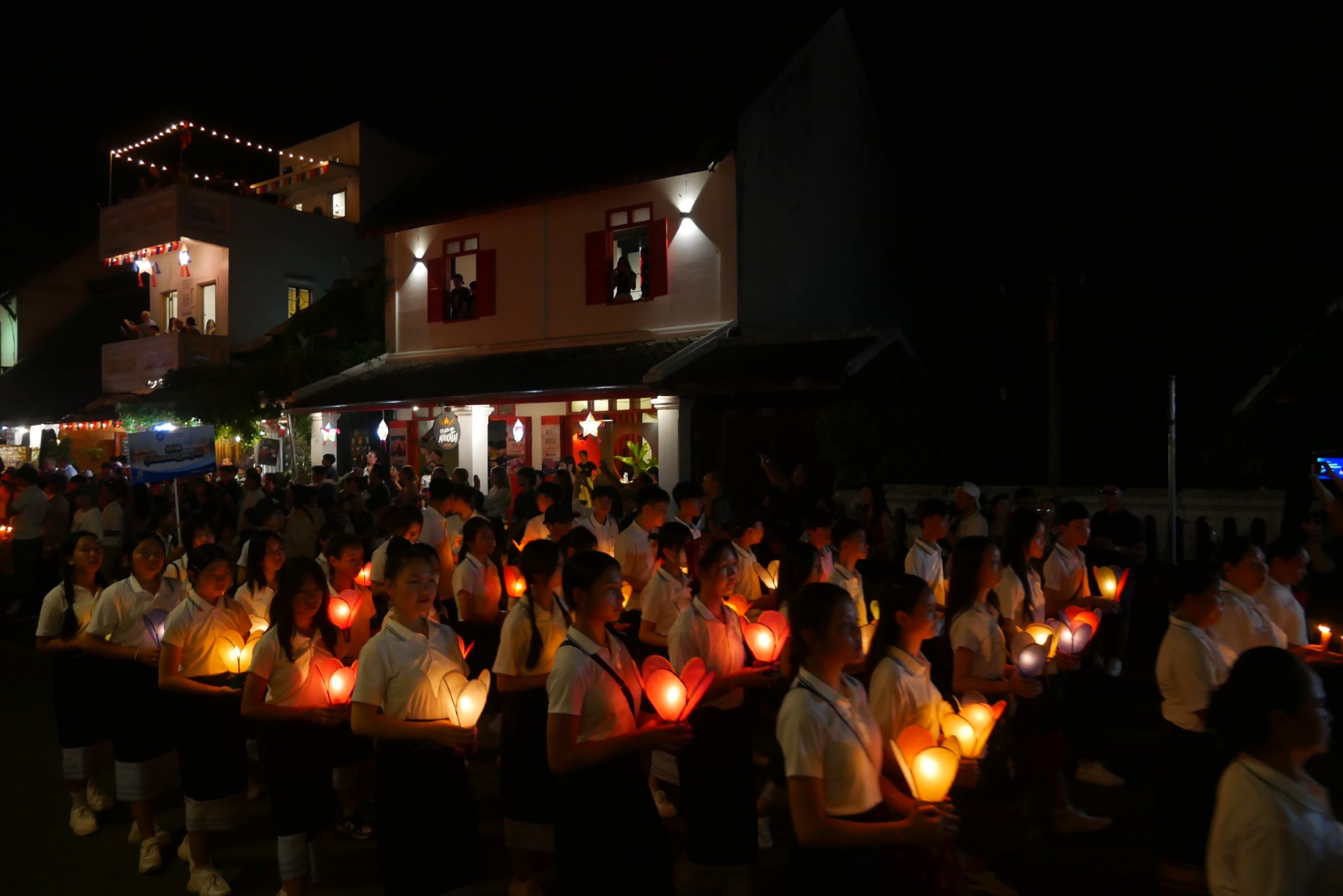
In Luang Prabang, Boun Lai Heua Fai takes on a deeply intimate character. Set between the Mekong and Nam Khan rivers, the town’s ancient wooden architecture, narrow brick alleys, and active monastic traditions create a stunning backdrop for the lights. Here, the festival is a living art form, preserved and passed down by local families, artisans, and monks for generations.
When Is Boun Lai Heua Fai in 2026?
In 2026, Boun Lai Heua Fai will take place on 26–27 October, coinciding with the full moon of the 11th lunar month. Because the festival spans two main days, here is what visitors can expect across the event:
Day 1: 26 October 2026 — Boun Ok Phansa & Evening Lights
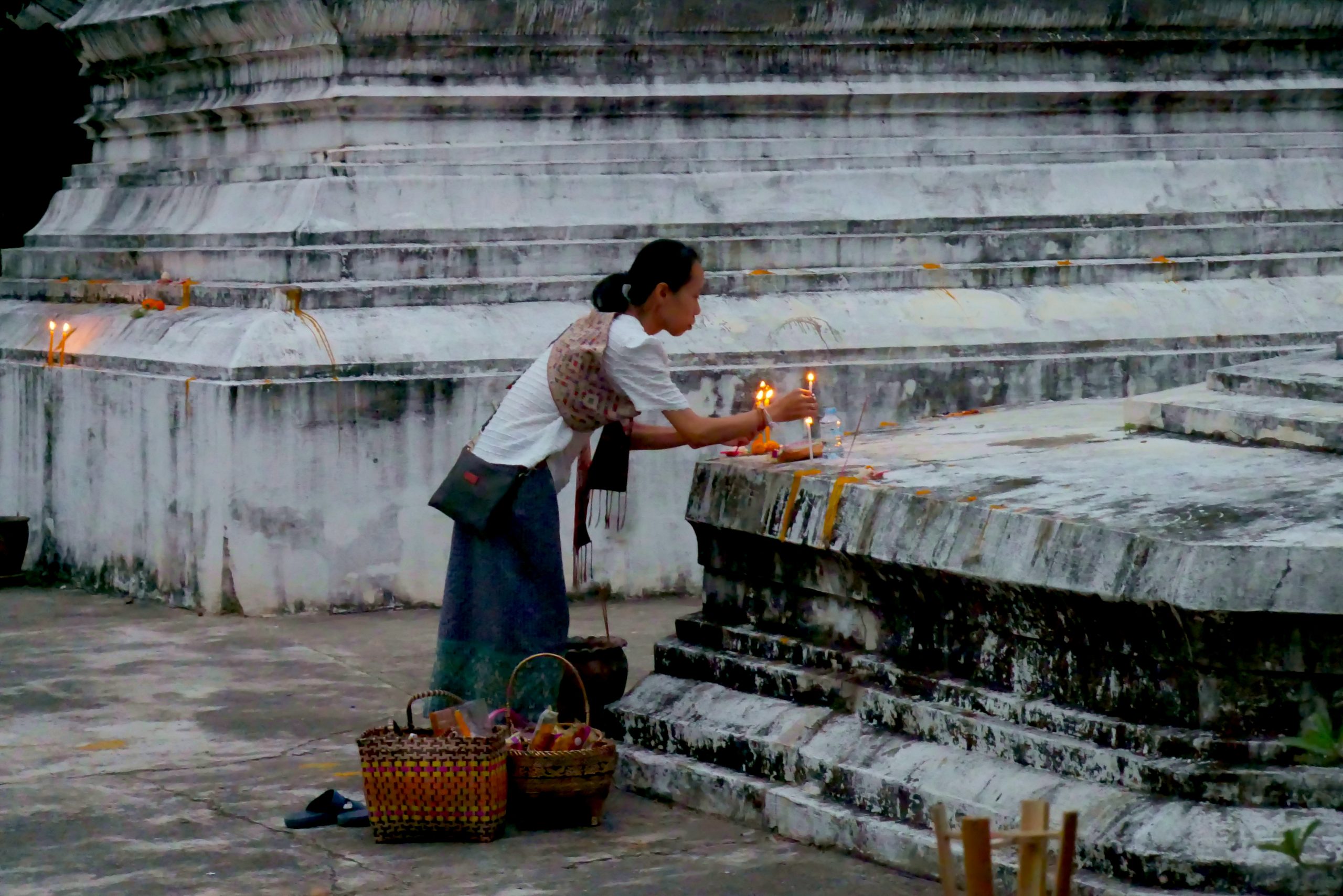
The first day marks Boun Ok Phansa, the end of the three-month Buddhist Lent (Phansa). Across Luang Prabang, the day combines religious observances, merit-making and evening candlelit traditions.
- Early Morning: Local families visit temples for Tak Bat (morning alms-giving), bringing food and other offerings to monks and novices as part of their merit-making.
- Daytime & Dusk: Temples and communities prepare their courtyards with candles and handmade lanterns. Visitors can walk around the temples to see the decorations and observe the preparations for the evening celebrations.
- Evening: As darkness falls, people wander the temple grounds, now illuminated by thousands of paper lanterns. Each Wat displaying their own styles and traditions.
Day 2: 27 October 2026 — The Grand Fire Boat Parade (Heua Fai)
The second evening is the festival’s main public spectacle:
- Sunset Onward: Heritage streets, local shops, and heritage homes illuminate their handmade paper lanterns.
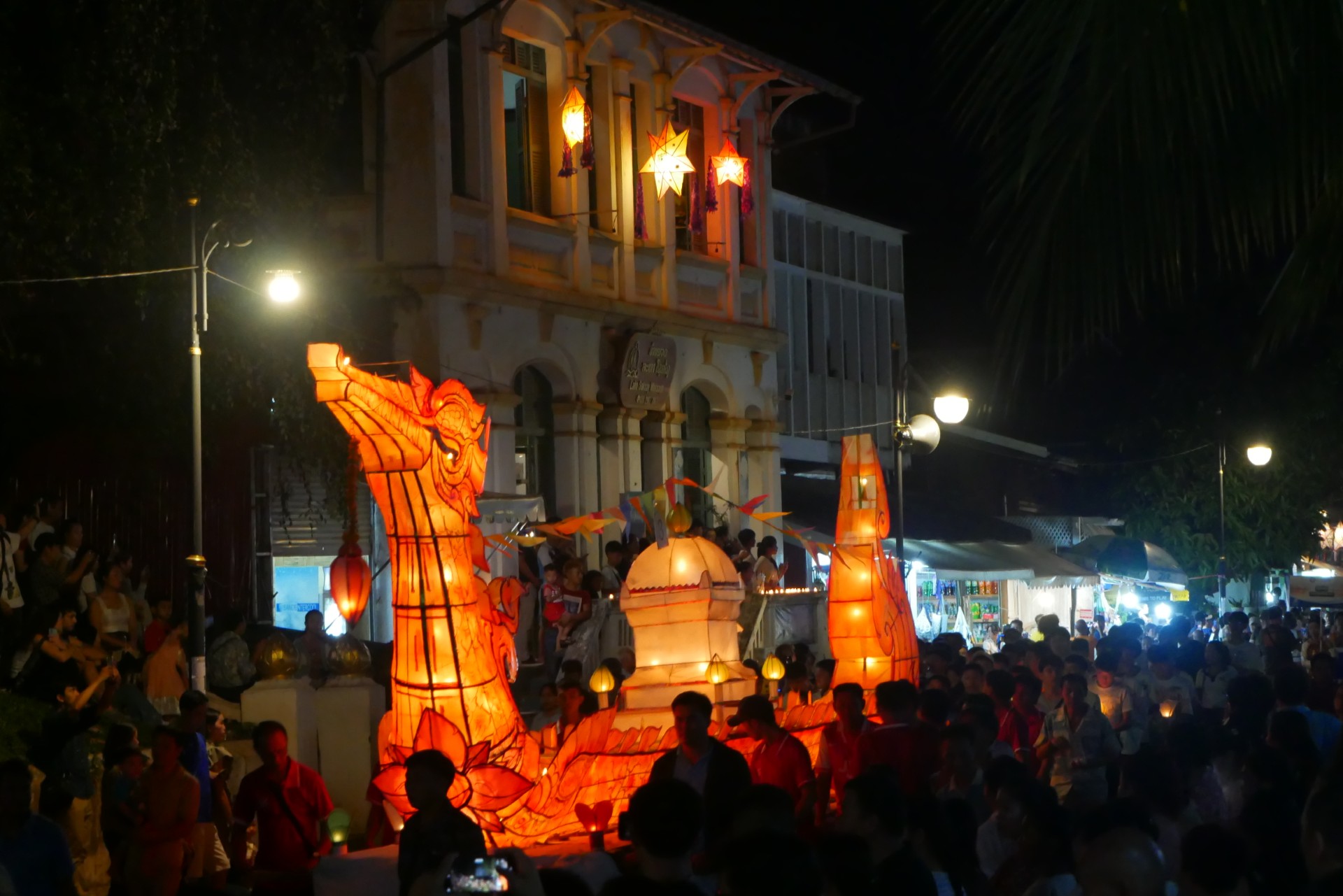
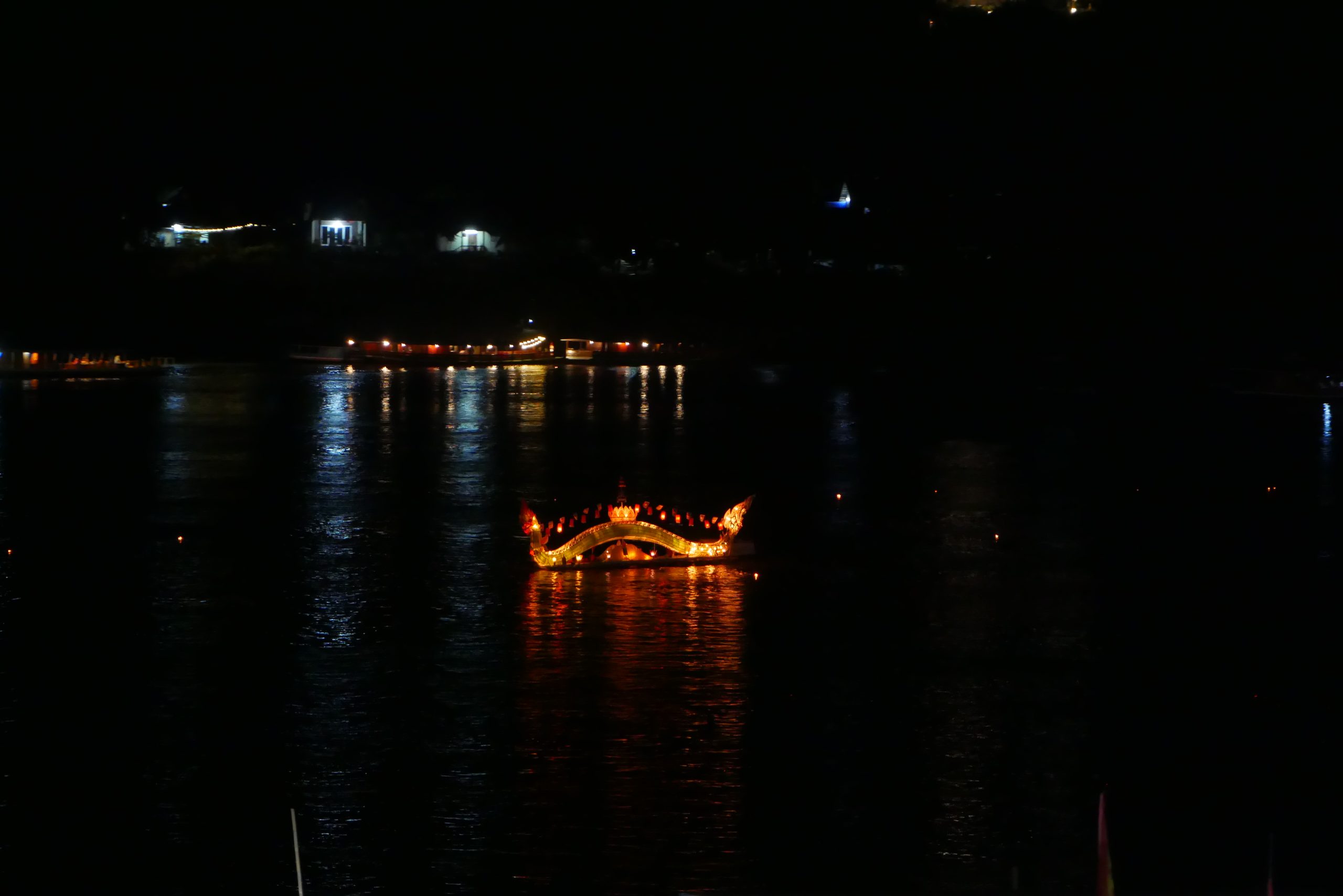
- 7:00 PM Parade: The main street (Sakkaline Road) closes to traffic as a grand procession of giant, illuminated fire boats, hand-crafted by local villages and temples into shapes of dragons, Nagas, and mythic peacocks, parades toward Wat Xieng Thong.
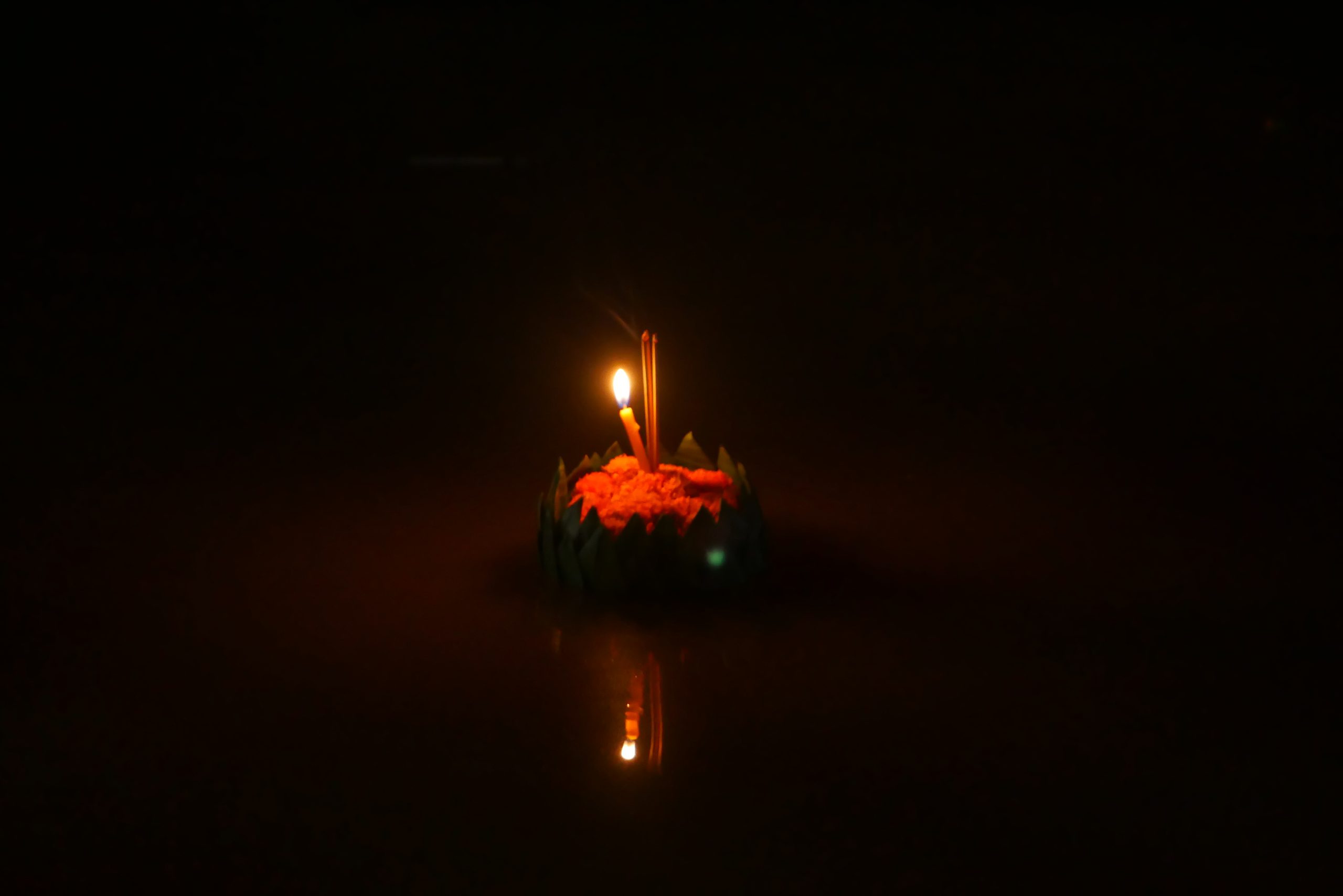
- Late Night Finale: Each massive fire boat is carefully carried down the stone steps of Wat Xieng Thong and launched into the Mekong River, creating a glowing procession along the water. Meanwhile people light the candles of their banana leaf floats and let them gently drift downstream accompanying the Nagas.
The Meaning Behind the Fire Boats
The glowing fire boats (Heua Fai) drifting down the Mekong are central to the festival’s beauty, carrying centuries of deep spiritual meaning for the communities that build them.
Ranging from small personal floats to massive structures shaped like multi-headed Nagas, mythic peacocks, and sacred stupas, these illuminated creations symbolize light overcoming darkness, spiritual purity, and shared community identity.
In the weeks leading up to the festival, monks, novices, and village artisans gather in temple courtyards and community halls to construct the frames from local bamboo and banana stalks. Decorating them with colorful paper, fresh flowers, and hundreds of candles is a collective act of merit-making where every bamboo strip bent and candle placed reflects teamwork, craftsmanship, and local pride.
The Symbolism of Light, Offerings, and the River
Every detail of a fire boat carries intentional meaning. The flickering candles symbolize enlightenment and respect for the Buddha’s teachings, while incense, fresh flowers, and traditional offerings show reverence to the spiritual realm.
For Luang Prabang, the Mekong and Nam Khan rivers are the lifeblood of daily culture and sustenance. Floating the Heua Fai on their currents is both a gesture of deep gratitude to Mother River (Mae Nam) and a tribute to the Nagas. As the lit boats drift downstream, they carry away past misfortunes and negative energy, making way for peace and a fresh start in the year ahead.
What Should Visitors Know Before Going?
Boun Lai Heua Fai is one of the busiest weekends of the year in Luang Prabang. Preparing for the logistics ahead of time ensures a smooth, enjoyable experience:
- Book Accommodation Early & Strategically: Hotels and boutique guesthouses across the UNESCO heritage peninsula fill up months in advance. Staying within walking distance of the historic center means you won’t need to worry about vehicles during street closures.
- Expect Road Closures & Walking Crowds: On the main parade night, Sakkaline Road and central side streets are closed to motorized traffic. Expect dense walking crowds, especially around the Royal Palace Night Market area and leading down toward Wat Xieng Thong.
- Wear Comfortable Footwear: You will do a lot of walking. Sturdy sandals or comfortable walking shoes are essential.
- Late October Weather & Clothing: Days are typically warm and sunny, while late October evenings can cool down comfortably near the river. Pack lightweight, breathable clothing, but remember to keep shoulders and knees covered when entering temple grounds.
- Bring Cash for Food & Offerings: Local vendors along the streets sell traditional food, drinks, and handmade banana-leaf floats. Bring small Lao Kip banknotes, as mobile payments and card machines are rarely used in the crowded street market setups.
Festival Etiquette: How to Experience It Respectfully
At Tiger Trail, we believe that travel is at its best when it creates meaningful, respectful connections between guests and host communities. Because Boun Lai Heua Fai is a living sacred tradition rather than a staged performance, keeping a few key etiquette guidelines in mind ensures your presence supports and honors the local culture.
- Dress Appropriately Near Sacred Spaces: Many festival activities take place within or directly around ancient temple grounds.
- Keep shoulders and knees covered at all times when entering monastic areas or observing evening chanting.
- Wearing a traditional Lao silk sarong (Sinh) for women or a shoulder sash (Pha Biang) is a wonderful gesture of respect that local hosts deeply appreciate.
- Mindful Photography & Personal Space: The soft candlelight makes for extraordinary photo opportunities, but courtesy should always come first.
- Always ask for permission before taking close-up portraits of locals, novices, or monks. A friendly smile and a polite nod are usually all it takes.
- Turn off flash photography inside temple halls (Sims) during evening prayers, as bright flashes disrupt sacred chanting and meditation.
- Avoid stepping directly in front of monks or local families while they are in deep prayer or launching their fire boats.
- Treat Offerings and Ceremonies with Care
- Handcrafted banana-leaf floats (Krathong) and bamboo star lanterns are sacred merit-making items, not decorative props. Handle them gently and avoid touching offerings placed at shrines or launched into the river by others.
- During the grand parade, the teams carrying massive fire boats need room to navigate narrow streets and steep river steps. Step back onto sidewalks or raised curbs to give them clear passage.
- Choose Eco-Friendly Offerings: If you choose to join locals in launching a personal Krathong into the Mekong,
- Only purchase floats made from 100% natural, biodegradable materials such as banana tree trunk slices, folded banana leafs, fresh marigold flowers, and beeswax candles.
- Strictly avoid buying floats wrapped in plastic, secured with metal pins, or constructed with synthetic styrofoam bases that harm the river ecosystem.
- You can craft your own banana leaf float at the TAEC and the public library.
- Follow Local Guidance: Listen to instructions from village elders, temple caretakers, and local police managing street closures. If a specific area near a temple or riverbank is marked off for monks or village teams, honor the boundaries gracefully.
Frequently Asked Questions About Boun Lai Heua Fai
- When is Boun Lai Heua Fai in 2026?
- Boun Lai Heua Fai takes place on 26–27 October 2026, coinciding with the full moon marking the end of Buddhist Lent (Ok Phansa).
- Where is Boun Lai Heua Fai celebrated in Luang Prabang?
- The festival centers around Sakkaline Road in the UNESCO heritage peninsula, ancient temples like Wat Xieng Thong, and along the Mekong and Nam Khan riverbanks.
- Is there an entry fee to attend Boun Lai Heua Fai?
- No, Boun Lai Heua Fai is a free community celebration open to both locals and international visitors.
- Where can I see the main fire boat parade?
- The grand fire boat parade moves down Sakkaline Road on the evening of 27 October, ending at Wat Xieng Thong where the large illuminated boats are launched onto the Mekong River.
- What should visitors wear during the festival?
- Because festivities take place in and around active monasteries, visitors should wear modest clothing covering shoulders and knees, along with comfortable walking shoes.
- Can tourists take photos of monks and temples during the festival?
- Yes, photography is welcome, but flash photography is forbidden inside temple halls. Always keep a respectful distance from monks and locals during prayers.
- What kind of floating offerings (Krathong) should travelers use?
- Travelers should only purchase floats made from 100% natural, biodegradable materials like banana trunks, leafs, and fresh flowers. Avoid plastic or styrofoam offerings.
Plan Your Luang Prabang Festival Experience
Experiencing Boun Lai Heua Fai alongside local hosts brings a whole new depth to the lights, chants, and traditions. Having a local guide by your side allows you to navigate the evening smoothly, understand the subtle meanings behind temple rituals, and discover quiet, authentic viewing spots away from the busiest crowds.
Whether you join us for a guided journey or explore the candlelit alleys on your own, we wish you a luminous and unforgettable Boun Lai Heua Fai.