The Impact of Community-Lead Tourism
For many travelers, the dream of visiting Laos revolves around its slow rhythms, the misty limestone peaks of Vang Vieng, and the morning alms-giving ceremonies in Luang Prabang. But as the country opens up further with modern infrastructure like the high-speed railway, a critical question arises: How do we ensure our presence benefits the local people instead of rewriting their way of life?
True responsible travel isn’t just about minimizing your footprint. It’s about actively making a positive impact. In Laos, the gold standard for this approach is supported by FairTrek, a community-based tourism initiative that flips the traditional travel model on its head to empower rural villages.
The Cost of Unregulated Travel: Lessons from the Past
To understand why programs like FairTrek are so necessary, we have to look honestly at how unmanaged tourism has historically disrupted the Laotian lifestyle.
1. The Cultural Erosion of the Sacred Alms Ceremony
In Luang Prabang, the Tak Bat (morning alms-giving) is a deeply sacred, centuries-old Buddhist tradition. However, the explosion of mass tourism turned this quiet ritual into a chaotic spectacle. Flash photography directly in monks’ faces, tourists dressing inappropriately while participating, and street vendors selling low-quality rice that made the monks sick severely degraded the ritual’s sanctity. The cultural strain grew so heavy that many local residents and monks considered withdrawing from the historic peninsula altogether, threatening to turn a living tradition into a commercial performance.
2. Environmental and Social Crisis in Vang Vieng
Further south, the town of Vang Vieng became a cautionary tale of backpacker culture gone wrong in the late 2000s and early 2010s. Unregulated riverside bars, heavy partying, and tubing on the Nam Song river completely overwhelmed the local community. The river became heavily polluted, traditional agricultural livelihoods decreased, and the quiet, family-oriented lifestyle of the residents was replaced by a localized rise in inflation and drug abuse. It forced a massive government shutdown of the illegal bars in 2012 to rescue the town’s environment and reputation.
Intention vs. Impact: Deeper Challenges in Modern Tourism
Beyond historic crowd management issues, responsible travel in Laos requires us to look at how our best intentions can sometimes cause unintended harm.
1. The Pitfall of “Handout” Voluntourism
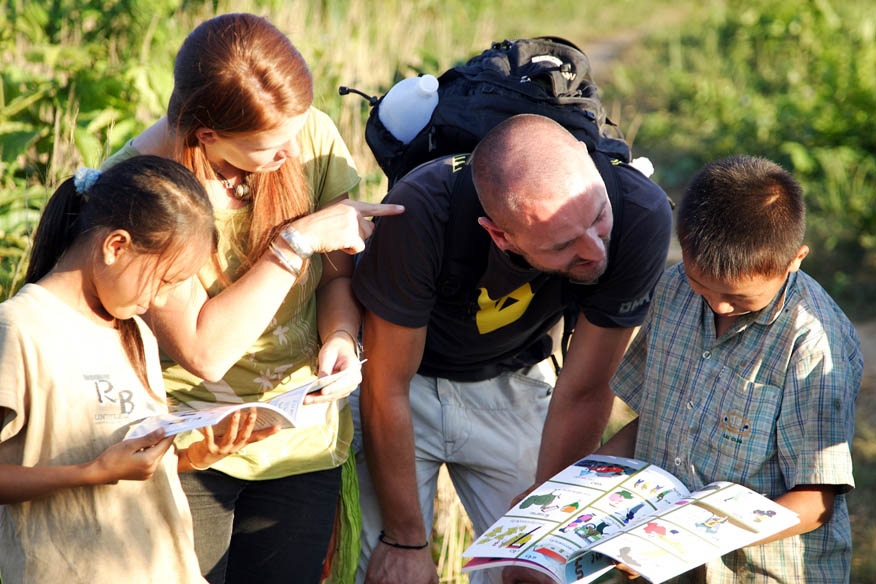
Many well-meaning travelers want to help when they see poverty in rural areas. However, handing out candy, cash, or pens directly to children on the street or in villages creates an immediate dynamic of dependency. It encourages begging and teaches children to view travelers as wallets rather than equals. Furthermore, giving sugary candy to children who have zero access to dental care causes severe tooth decay. Giving them money may prevent them from going to school, instead going to beg.
2. Elephant Tourism: Moving from Exploitation to Sanctuary
Laos was historically known as “Lan Xang” (The Land of a Million Elephants), but its elephant population is under severe threat from habitat loss and historic tourism exploitation. For years, the standard tourist activity was riding elephants in heavy wooden chairs or watching them perform unnatural tricks. Carrying heavy chairs causes severe, irreversible spinal damage to elephants, and traditional training methods can be highly abusive.
The FairTrek Pillar: Flipping the Tourism Economy
These past missteps prove that when tourism grows without community guardrails, local people and local wildlife pay the price. When you book a standard, run-of-the-mill tour, only a tiny fraction of your money stays in the community you actually visit. FairTrek operates on a completely different pillar, transparent, direct economic benefit.
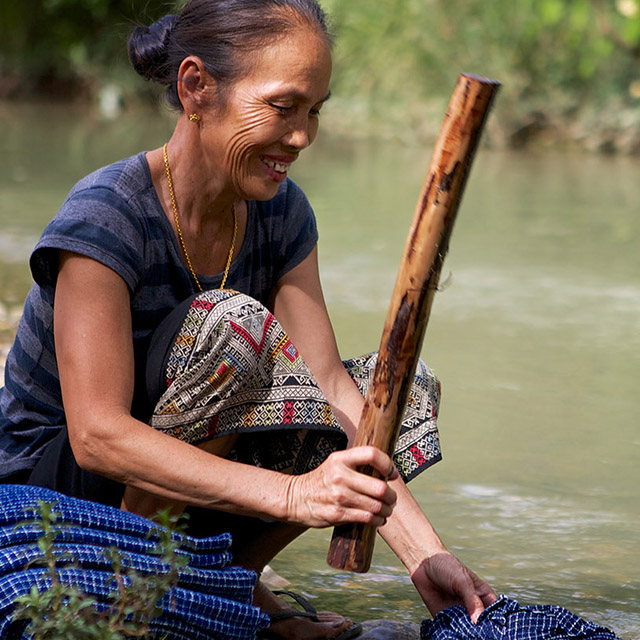
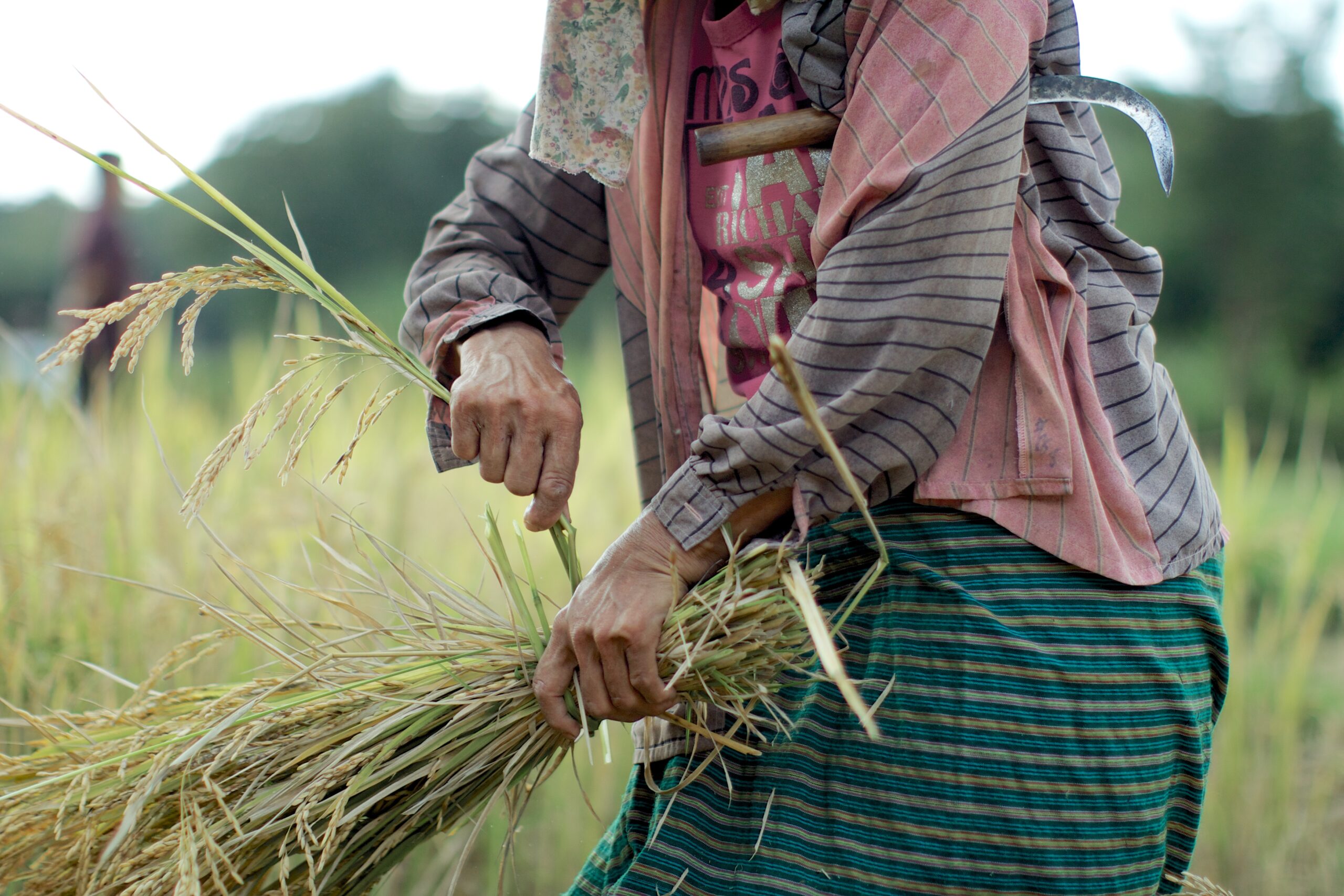
Instead of giving directly to kids, FairTrek channels traveler support into structural village projects. For example, they have facilitated painting schools and fencing in the village of Ponsavang and Moud Village. By partnering directly with ethnic Khmu, Hmong, and Lao Loum villages, FairTrek ensures that host families, local village guides, and community funds are paid directly and fairly. When you stay in a village home or hike through the jungle with a local guide, your travel funds are funneled straight into community-led infrastructure like building clean water supllies, restoring local schools, and maintaining sustainable eco-bungalows owned entirely by the village.
Your Checklist: How to Prevent Past Mistakes
Making a positive impact requires mindful choices from the moment you step off the plane or train. Here is how you can practice the FairTrek philosophy and protect local culture:
- Observe the Alms Ceremony from a distance: If you attend the Tak Bat, stay across the street, dress modestly (shoulders and knees covered), turn off your camera flash, and do not disrupt the monks’ path.
- Say No to Handouts: Never give gifts directly to kids. If you want to help, donate to school funds, support a village enterprise, or buy crafts directly from local artisans.
- Choose No-Ride Elephant Sanctuaries: Skip the riding tours entirely. Choose ethical conservation projects that focus purely on observation, rehabilitation, and allowing elephants to live naturally.
- Hire Local, Vetted Guides: Licensed, local English-speaking guides act as a cultural bridge. They ensure your interactions with villagers are respectful and that community boundaries are always honored.
- Keep Your Money Local: Choose to buy handicrafts directly from the artisans in the villages or night markets. While light bargaining is accepted, remember that a few extra kíp can make a massive difference to a local family’s livelihood.
Ultimately, responsible travel means viewing yourself as a guest in someone else’s home. By learning from the mistakes of the past and aligning your itinerary with community-based models like FairTrek, your journey transforms from a simple holiday into a powerful force for sustainable development. You won’t just leave with incredible memories of Laos, you’ll leave knowing you helped keep its culture vibrant and self-sustaining for generations to come.