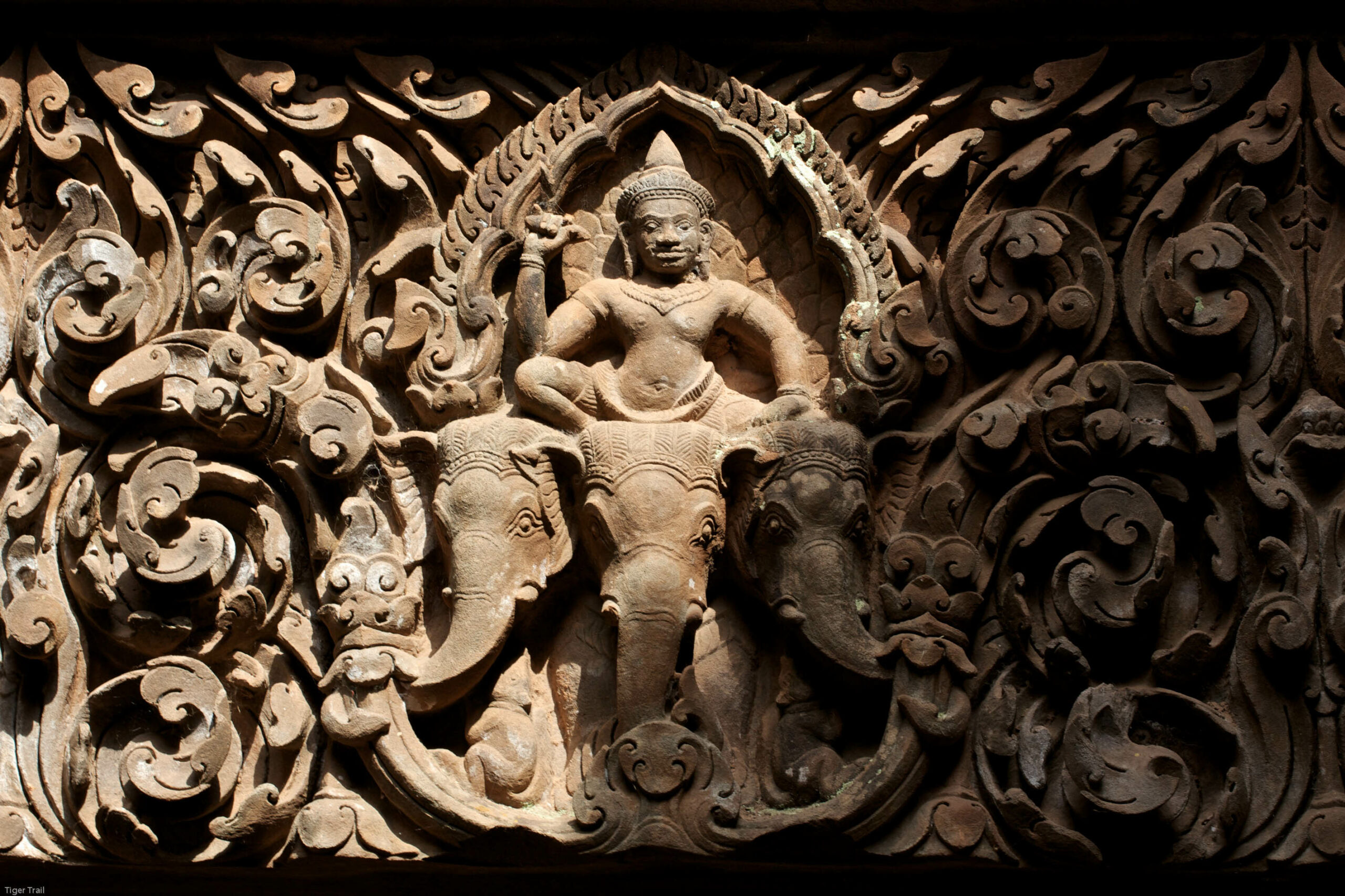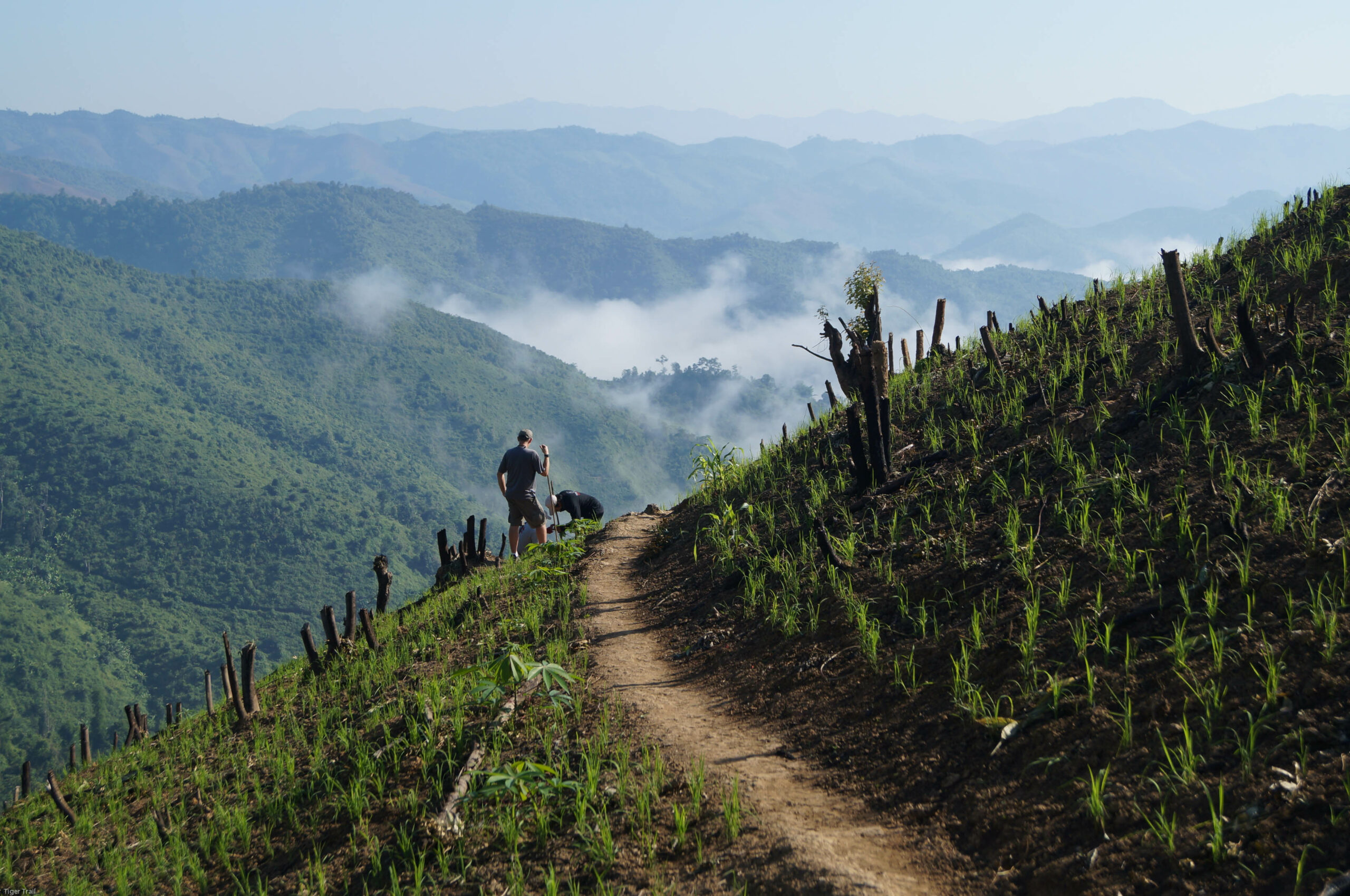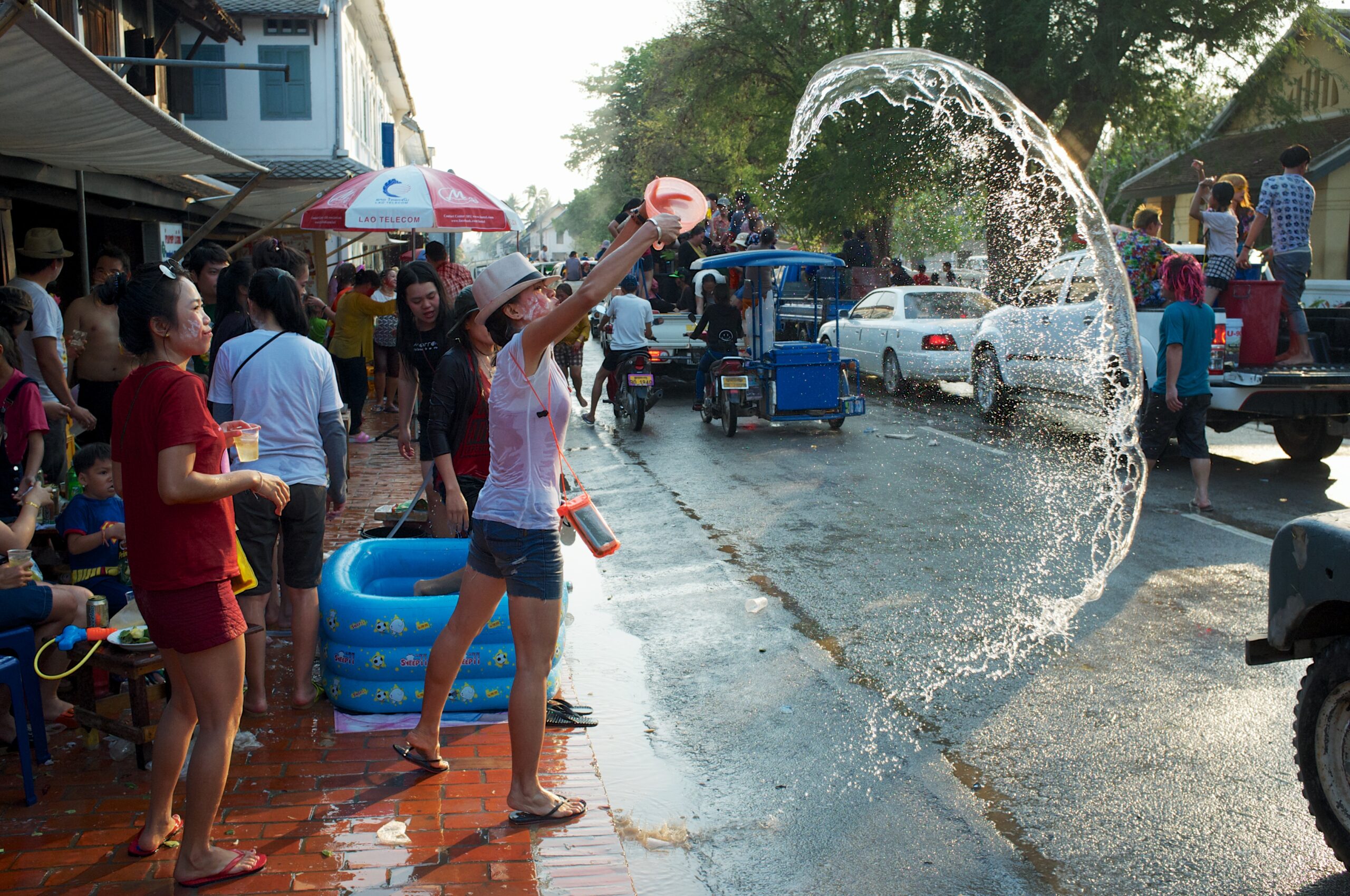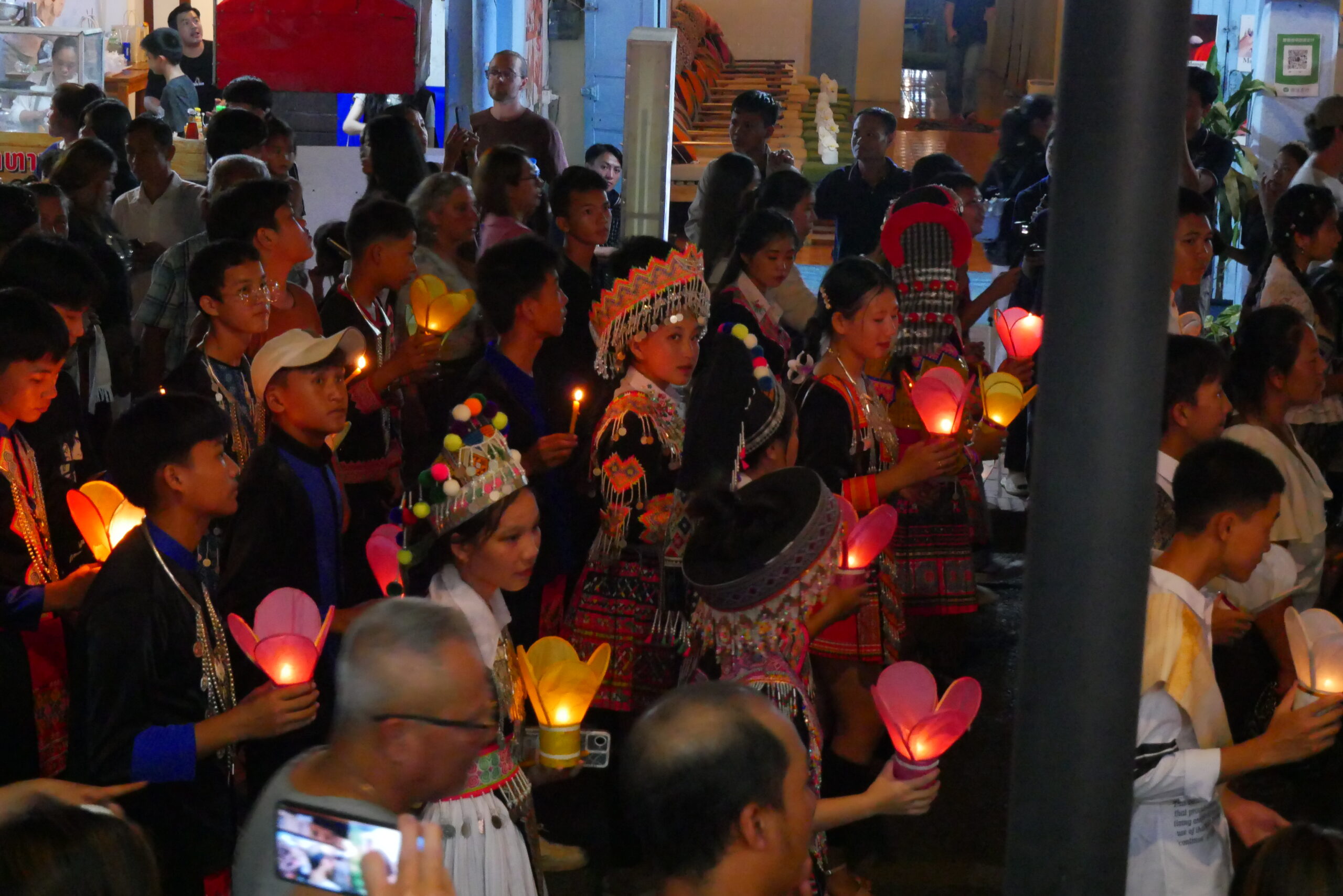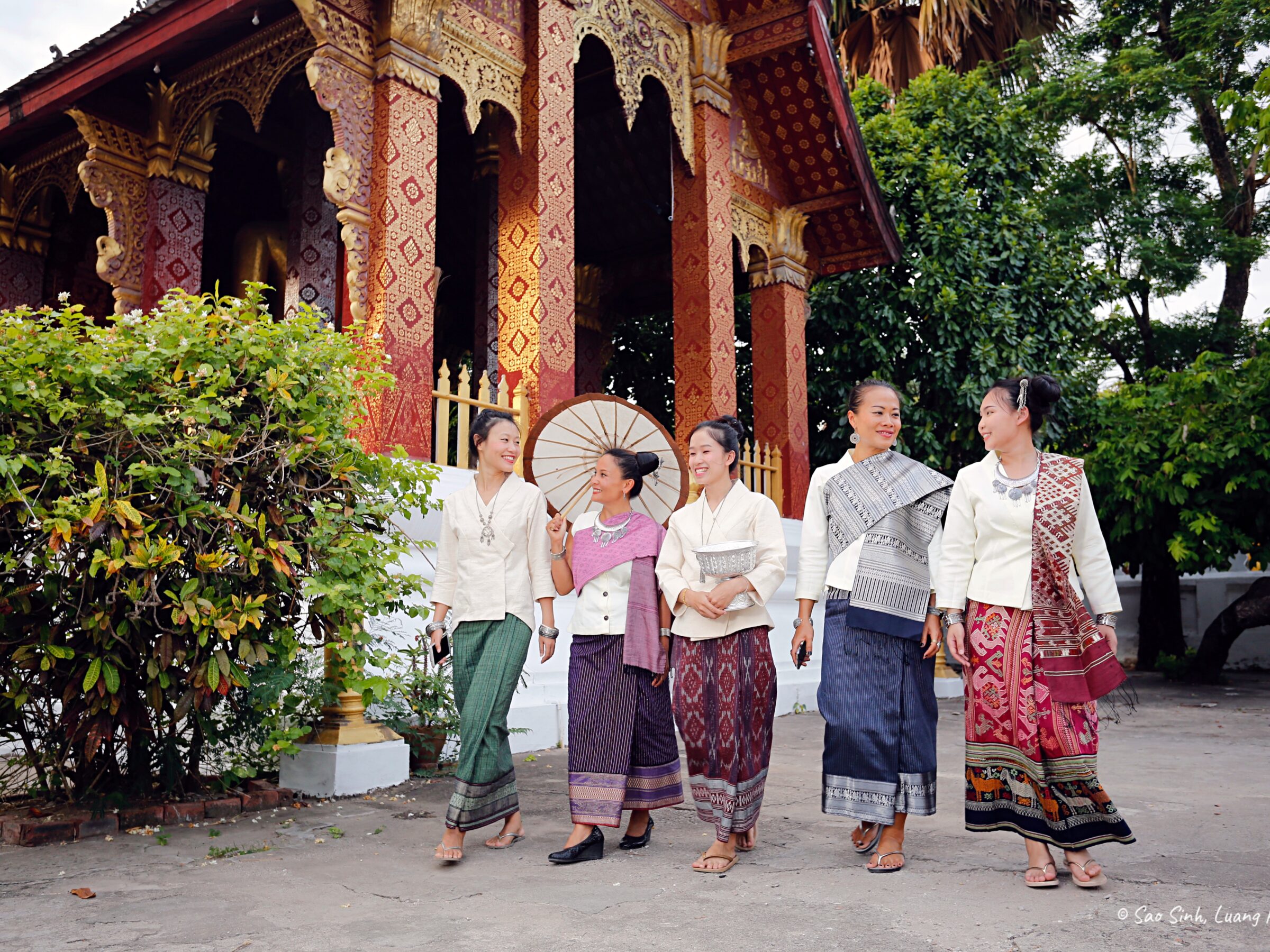
Not every destination is meant to be rushed. Here in Laos, life moves at a slower pace. Mornings begin with monks collecting alms, afternoons are spent exploring waterfalls and mountain landscapes, and evenings unfold along the Mekong River as the sun disappears behind the hills.
For first-time visitors, Laos can feel refreshingly different from its neighboring countries. Less crowded, deeply rooted in tradition, and filled with authentic experiences, it offers a chance to slow down and connect with the people, culture, and nature that make this country so special.
If you’re planning your first trip, this guide covers the essential things every traveler should know before visiting Laos.
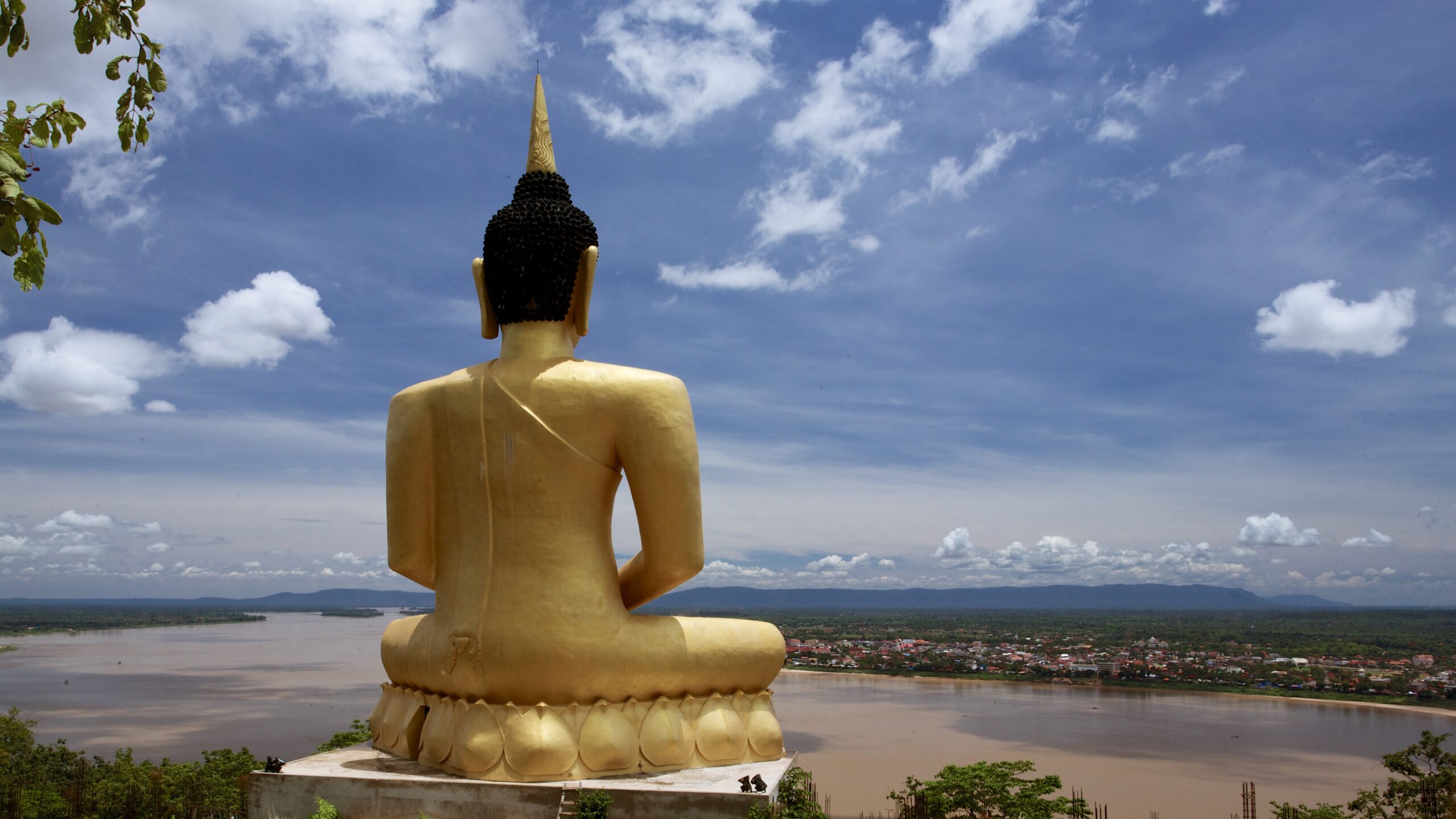
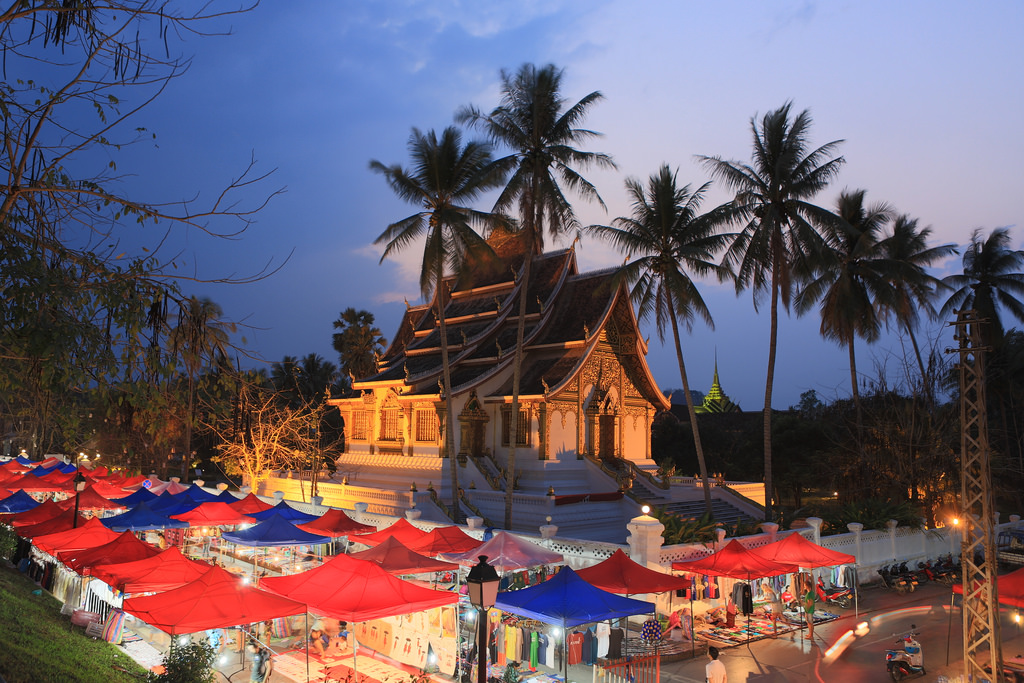
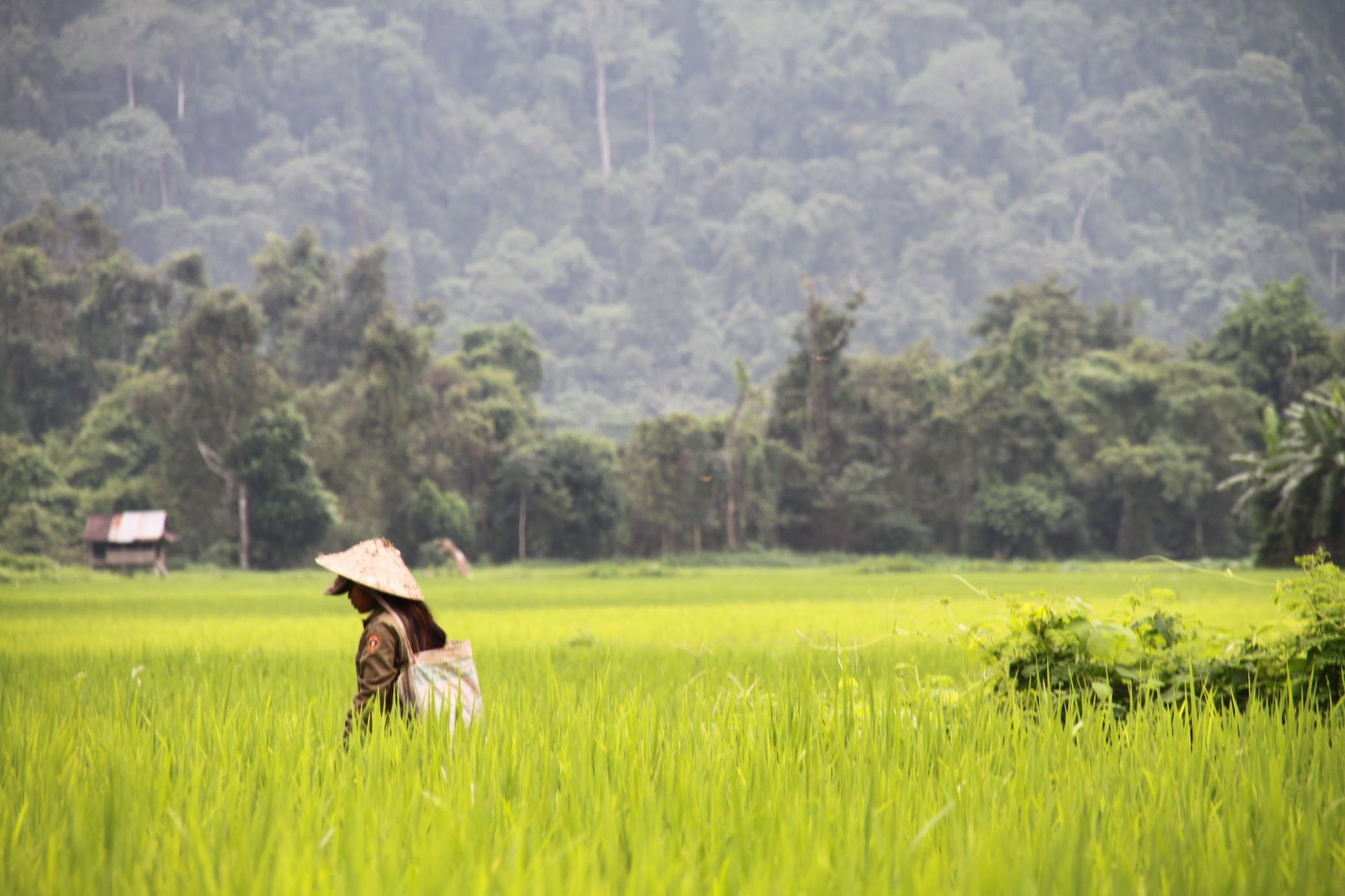
Laos Visa and Entry
Getting into Laos is getting easier and travelers from many countries can get 30-day tourist visas.
We have put all together about Visa and Entry information from VOA available airports to visa Extension in our Visa guide.
Read the full blog: Laos Travel Guide – Visa
Stay Connected – SIM Cards
- eSIM : If your phone supports eSIMs, providers like Airalo, eSIM4, or Unitel Laos esim are the easiest options. You buy and install the profile online before you fly, and your data activates the second you land.
- Physical SIM: If you want cheap local rates, buying a physical plastic SIM on arrival is the way to go.
Top Network Providers
Laos has a few major networks, but for a tourist, two stand out above the rest:
- Unitel: Universally agreed to be the best network for travelers. Because Laos is highly mountainous, Unitel is favored for having the widest 4G coverage in rural villages, loop drives, and remote towns (like Nong Khiaw or the Bolaven Plateau).
- Lao Telecom (LTC): Excellent, fast speeds (including pockets of 5G) in major hubs like Vientiane, Luang Prabang, and Vang Vieng, but can get spotty if you wander far off the beaten path.
Where to Buy & Costs
If you choose a physical SIM, you have two main options for where to purchase it:
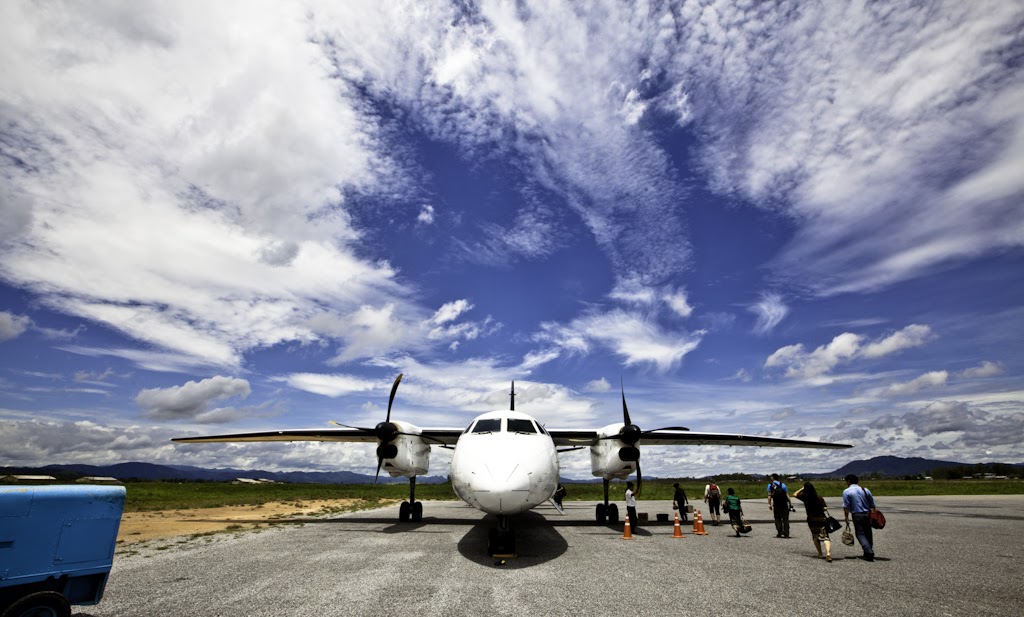
- At the Airport (fast and easy): When you walk out of baggage claim at Vientiane (Wattay) or Luang Prabang airports, you’ll see carrier kiosks. They sell designated “Tourist SIM” packages.
- Official Stores in Town): If you land late and the airport kiosks are closed, head to an official Unitel or Lao Telecom storefront in the city center. Prices here can be cheaper than the airport.
By law, all local SIM cards in Laos must be registered to an identity. If you buy a physical SIM, you must bring your physical passport. The vendor will take a photo of your passport page and a quick selfie of you to activate the line.

Where Should You Go in Laos?
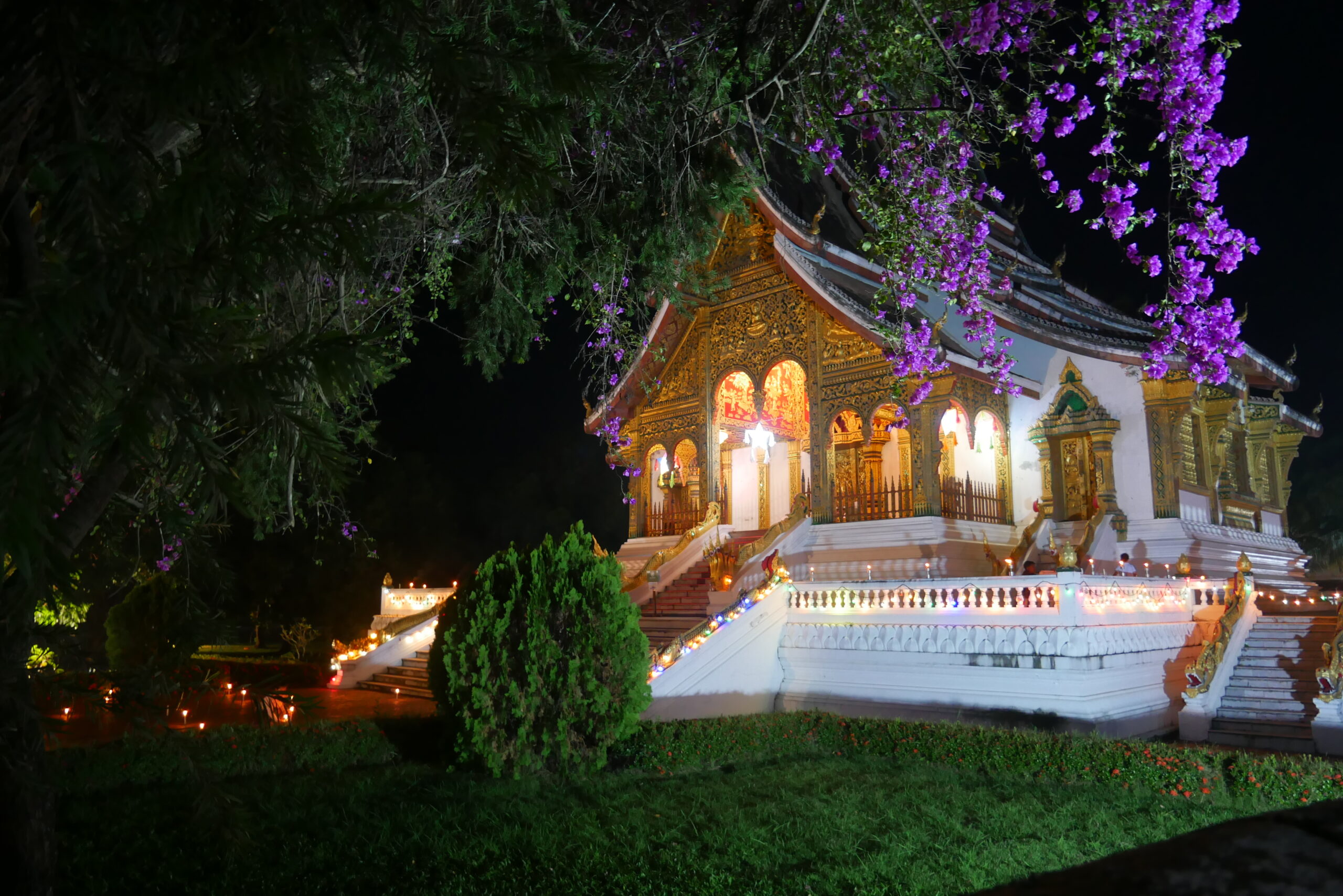
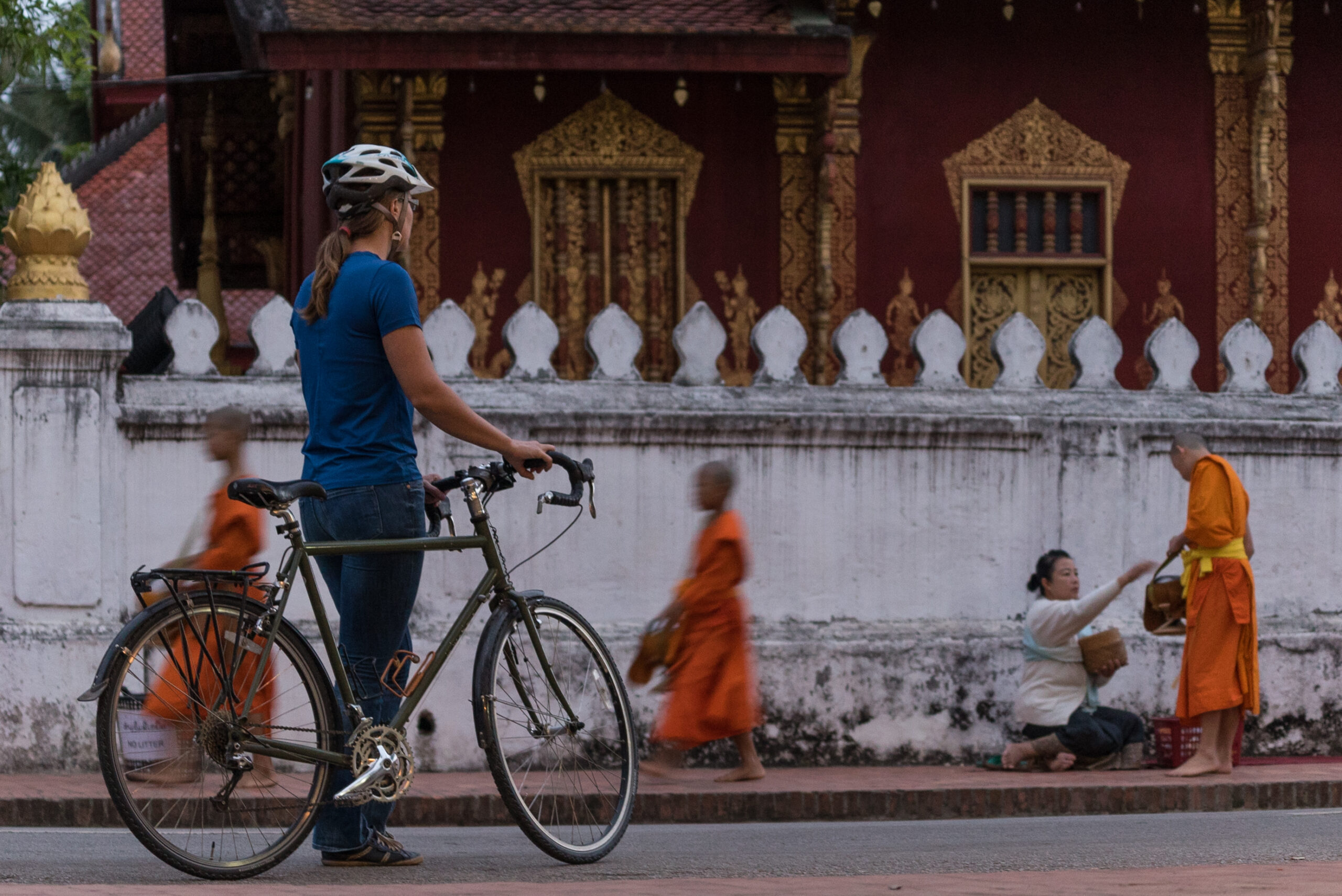
1. Luang Prabang: This UNESCO Heritage Town feels like a small town wrapped in mountains and rivers. Ancient temples, colonial-era buildings, and the Mekong River create a peaceful atmosphere that’s very different from the busy cities of Southeast Asia. Visitors usually spend their days exploring historic streets, watching the morning alms-giving ceremony, cruising the Mekong, and swimming at the famous Kuang Si Waterfall. If you only have time for one destination in Laos, Luang Prabang is often the easiest place to start.
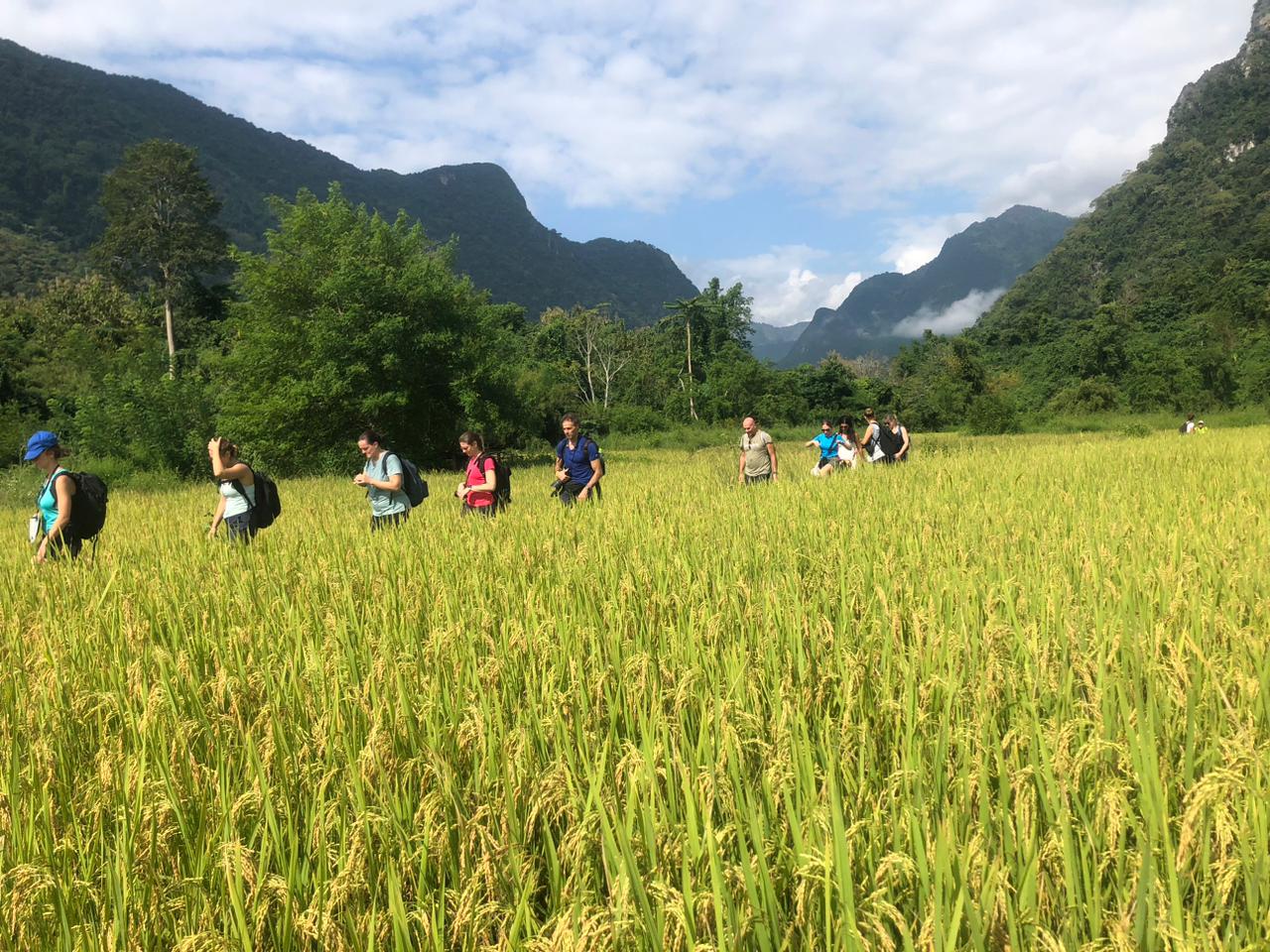
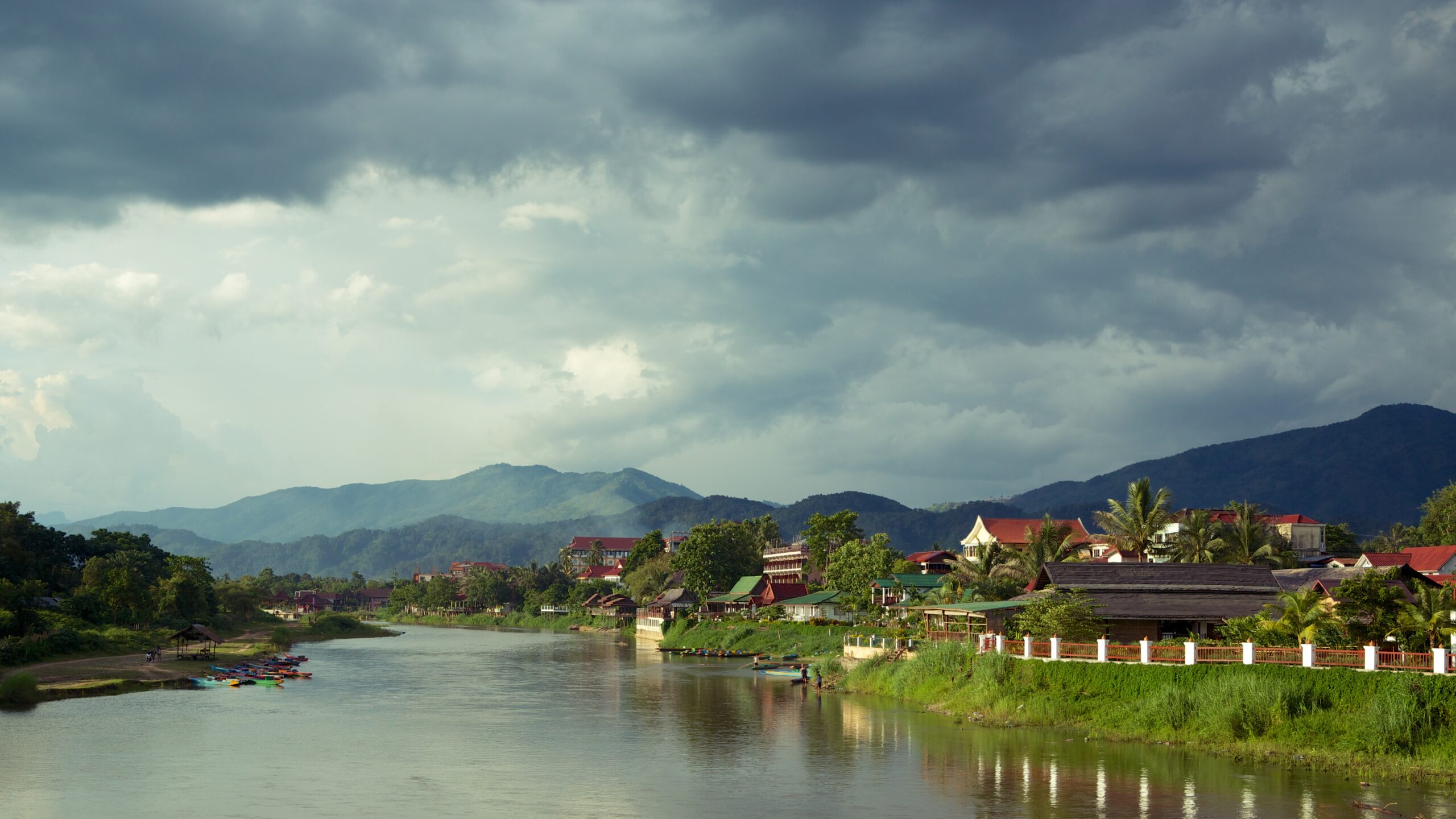
2. Vang Vieng: Vang Vieng is Laos’ adventure capital, Surrounded by dramatic limestone mountains and green countryside. The town is famous for its lagoons, caves, viewpoints, and outdoor activities, while still offering plenty of places to relax and enjoy the scenery. Whether you’re kayaking along the Nam Song River, hiking to a mountain viewpoint, or watching the sunset over the karst peaks, Vang Vieng combines adventure with some of the country’s most beautiful landscapes.
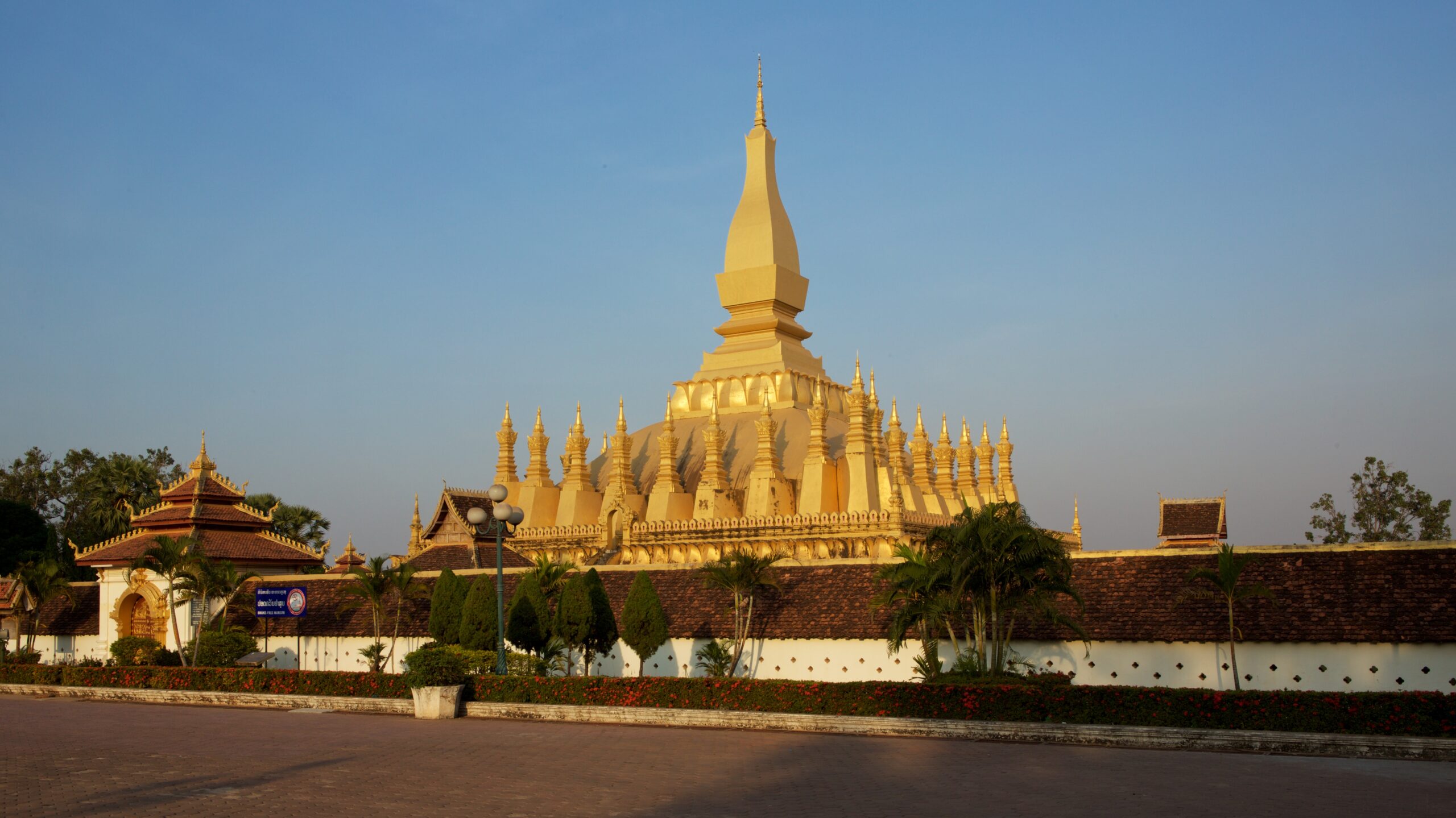
3. Vientiane: Laos’ capital city offers a relaxed blend of culture, history, and modern life. Visitors can explore landmarks such as the Patuxai Monument, Pha That Luang, and Wat Si Saket before ending the day with a sunset stroll along the Mekong riverfront.
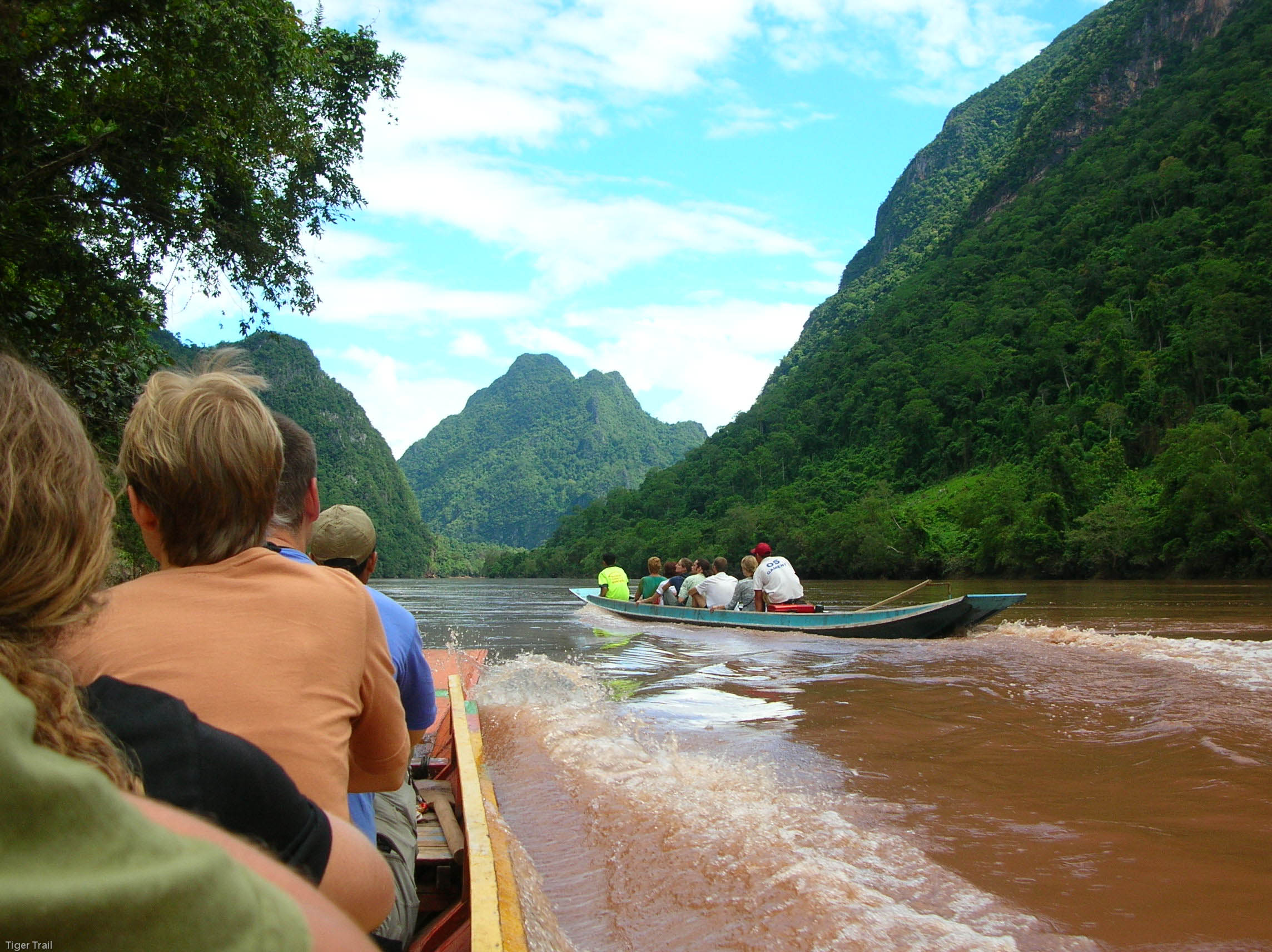
4. Nong Khiaw: Nong Khiaw is a favorite destination for nature lovers known for its spectacular mountain scenery and peaceful atmosphere. Trek to panoramic viewpoints, explore local villages, and enjoy life at a slower pace beside the Nam Ou River.
Best Time to Visit Laos
Cool Season (November – February) is the most popular time to visit Laos, with comfortable temperatures, clear skies, and ideal conditions for sightseeing, trekking, and outdoor adventures.
Hot Season (March – May) has sunny days and fewer crowds that make it a great time to explore at a slower pace. Waterfalls, rivers, and refreshing swims become even more inviting during the warmer months. Air quality can be challenging, as farmers burn their fields to prepare them for the next seed.
Green Season (June – October) offers lush landscapes, flowing waterfalls, fewer crowds, and excellent photography opportunities.
Money and Payments
– Cash is still widely used, especially in the countryside.
– Lao Kip (LAK) is the local currency. Check update: Exchange rates on BCEL Bank
– Travelers can exchange money at Exchange counters at international airports, Banks in major cities and tourist destinations, Licensed currency exchange shops, some hotels and travel agencies (rates may vary).
– Credit cards are accepted in some hotels, restaurants, and larger businesses. There is usually a 3% surcharge for credit cards to accommodate for high processing fees.
– ATMs are available in major towns and cities.
– A QR-code based payment system called LapNET is widely in use for cash-less money transfer even in small shops. It works with all Lao bank accounts as well as certain partner banks in Thailand, Vietnam, Cambodia and China where similar systems exist.
Getting Around Laos
Laos-China Railway (LCR) is often the fastest and most comfortable option between major destinations in Northern Laos.
Domestic flights: While the train connects the main northern hub, domestic flights remain the most efficient option for quickly jumping between Vientiane and the far south, saving you days of overland travel.
Private transfers: Arranging a private transfer gives you absolute flexibility and comfort, allowing you to stop for photos at scenic viewpoints or visit remote villages along the way without a rushed schedule.
Public minivans and buses: As a more local, authentic alternative to the railway, minivans and buses connect all major cities and even smaller towns. Timetables may be unreliable, so best to check departure times a day in advance at the bus station’s ticket office.
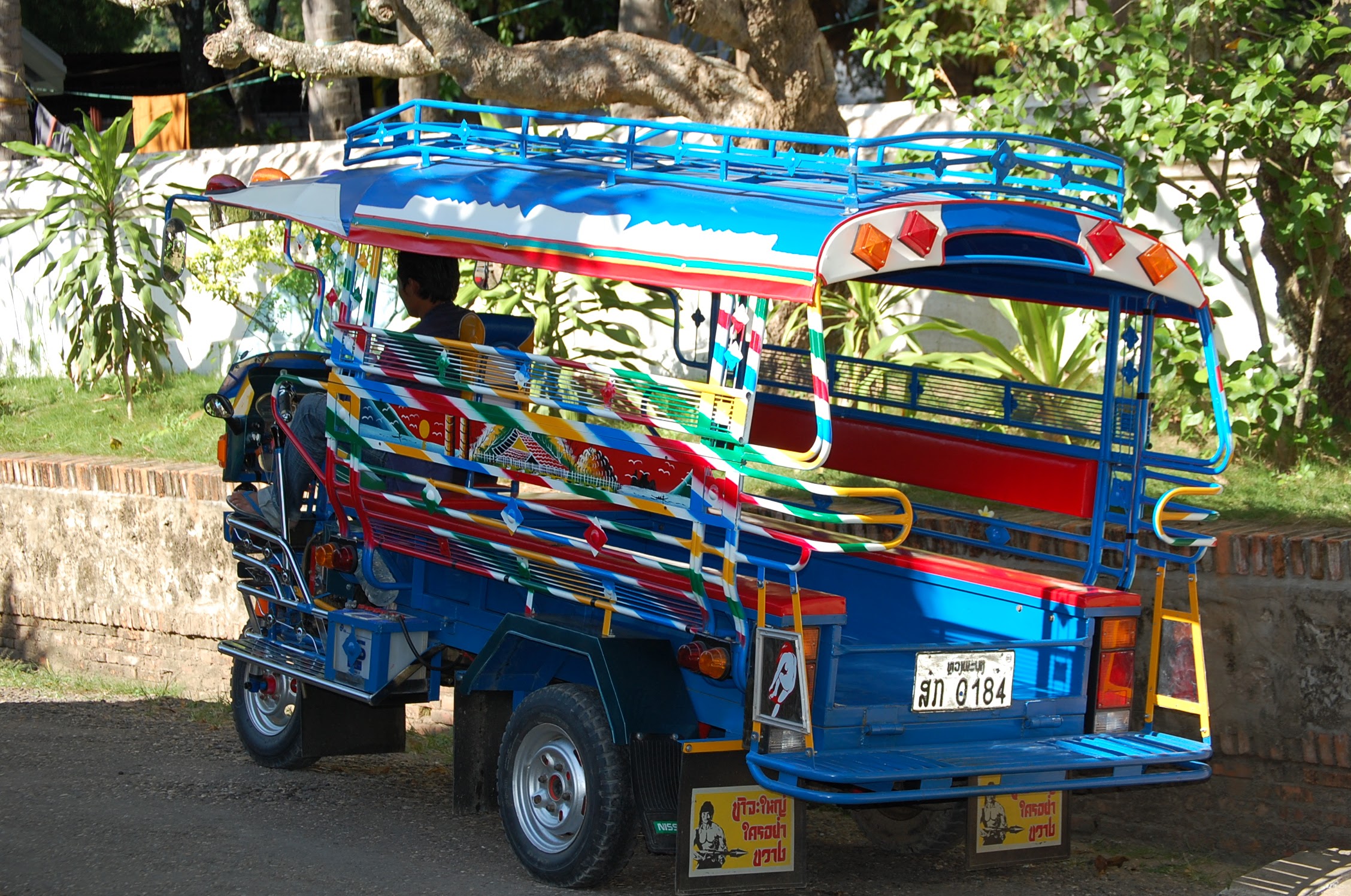
Tuk-tuks and local transport: Once you step off the train, hopping into tuk-tuks is a fun, open-air way to immerse yourself in the local rhythm while zipping between night markets, temples, and nearby waterfalls.

Cultural Etiquette
Do:
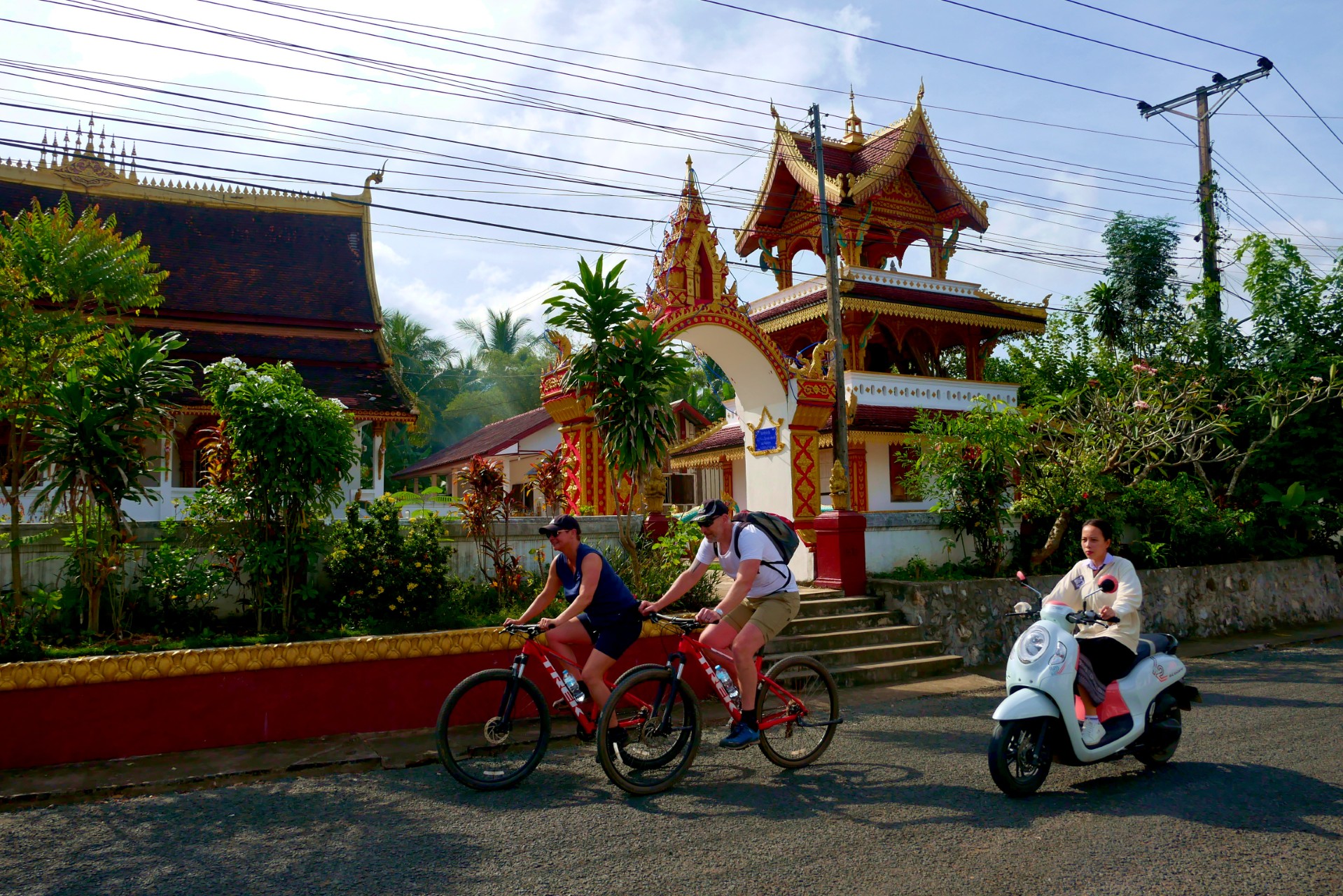
✓ Dress respectfully when visiting temples.
✓ Remove shoes before entering temples and homes.
✓ Ask permission before photographing people.
✓ Respect monks and religious ceremonies.
Don’t:
✗ Touch a monk or someone’s head.
✗ Point your feet toward people or Buddha images.
✗ Wear revealing clothing anywhere, especially in religious sites.
✗ Raise your voice or behave aggressively.
More Dos and Don’ts: Laos Travel Guide – Dos & Don’ts
What Should You Pack?
- Light clothing for daily sightseeing and hiking up steep viewpoints. Breathable fabrics like linen or moisture-wicking activewear keep you cool and dry in the intense tropical heat. Consider long sleeves for sun protection.
- Comfortable walking shoes for navigating uneven gravel paths, slippery waterfall trails, and the stairs up to mountain viewpoints like Mount Phousi or Nam Xay. Trekking sandals are a great choice if you plan on getting wet.
- Modest clothing for temples when visiting sacred sites like Wat Xieng Thong. You must wear shirts that cover your shoulders and pants or skirts that cover your knees.
- Rain jacket in green season. A lightweight, packable jacket is a lifesaver during the green season (May to October), when sudden, torrential downpours can catch you completely exposed on outdoor treks.
- Sunscreen is essential for outdoor adventures like kayaking on the Nam Ou River or riding in open-air tuk-tuks, where the strong Southeast Asian sun can burn skin surprisingly fast.
- Insect repellent is also must-have for jungle trekking, evening night markets, and dining near the Mekong River, where mosquitoes are most active. Pro Tip: Buy locally to make sure it repels Laotian mosquitoes.
- Reusable water bottle. Important for staying hydrated during humid midday activities while helping reduce plastic waste in eco-sensitive adventure destinations. Getting free refills is often just a matter of asking.
For more items to pack detail, visit our What to bring on your Laos Tour page.
Food

Laos offers excellent local cuisine including:
– Sticky rice
– Laap
– Lao Sausages
– Khao Soi
– Tam Mak Hoong (papaya salad)
Explore Top 10 Laos dishes you must try! – Lao Food
Must-Experience Cultural Activities
1. Tak Baat (Morning Alms Giving Ceremony)
2. Traditional Baci Ceremony
3. Night Markets
4. Local Village Visits
5. Lao Cooking Classes
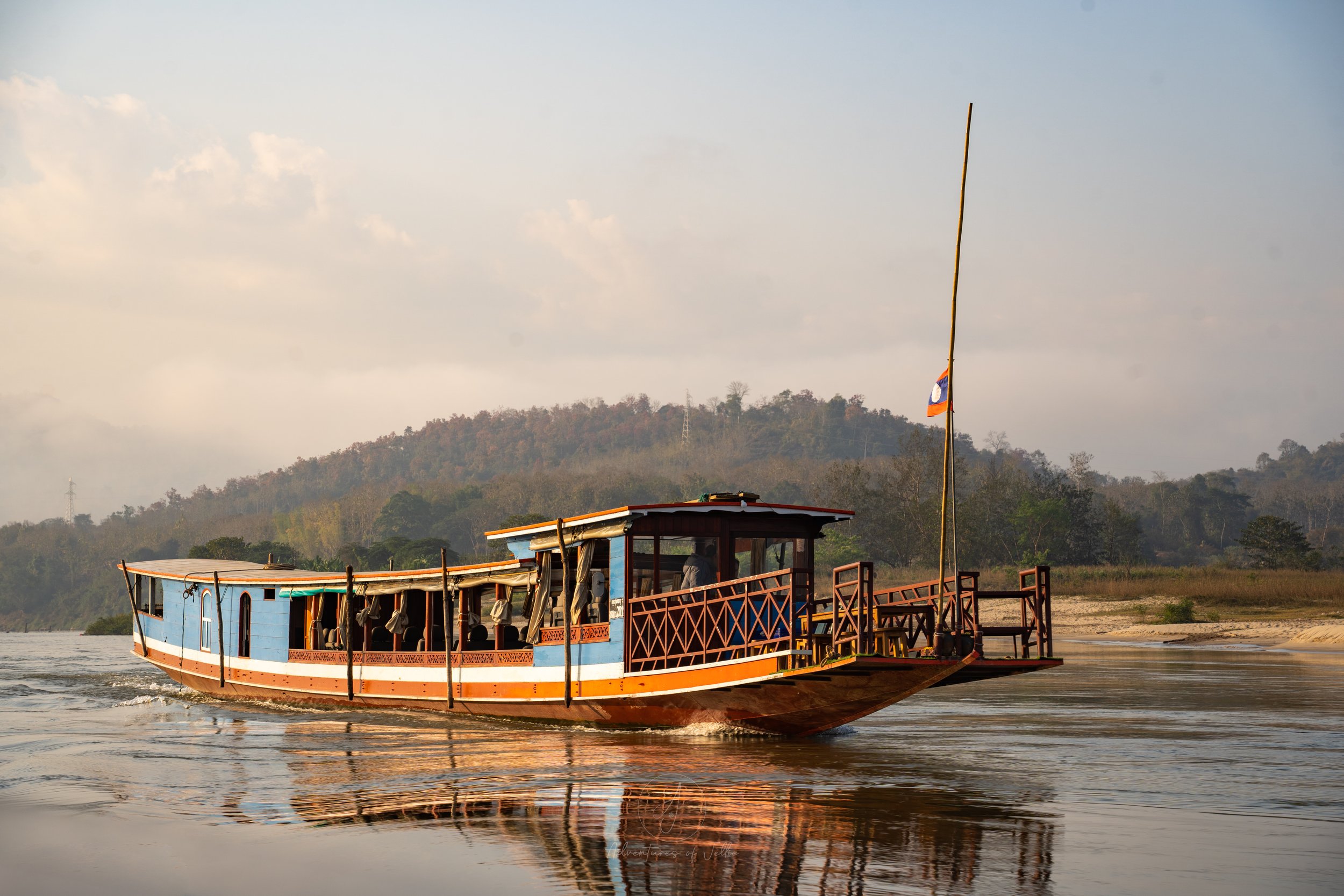
6. Sunset Cruises on Mekong River
Common Mistakes First-Time Visitors Make
Underestimating travel distances
While destinations look close together on paper, the country’s terrain is intensely mountainous and rugged. Roads outside the main highway lines are winding, may be heavily potholed, or unpaved. A mere 100-kilometer drive can easily take 3 to 4 hours by minivan, meaning overland travel takes significantly longer than visitors expect.
Trying to rush through too many destinations
Laos operates on a beautiful, unhurried cultural rhythm. Trying to check off Vientiane, Vang Vieng, Luang Prabang, and the far south in a single week means you will spend your entire vacation packed inside transit vehicles, completely missing the laid-back charm, slow morning markets, and relaxed cafe culture that makes Laos so special.
Not carrying enough cash
Laos is still a cash-based economy, especially once you step outside upscale hotels in major cities. Local restaurants, night market vendors and tuk-tuk drivers rarely accept credit cards. Furthermore, relying entirely on finding an operational ATM in smaller towns or rural areas is a massive gamble.
Arriving late for train departures
First-time travelers often treat the Laos-China Railway (LCR) like a casual local bus, but it actually enforces strict, airport-style security. All baggage must pass through X-ray machines, passports are checked with tickets, and boarding gates close exactly 5 to 15 minutes before the train leaves. On top of that, most major stations were built far outside the actual city centers, meaning last-minute arrivals will easily miss their train.
Wearing inappropriate clothing at temples
Laotian culture is deeply spiritual and conservative, and Buddhist temples (Wats) are active places of daily worship, not just tourist attractions. Visitors who show up in tank tops, shorts, or short skirts will be politely turned away at the gates. Remembering to pack clothes that cover both the shoulders and knees ensures a respectful, smooth experience at sacred sites like Wat Xieng Thong.
Final Pro Tips
– Vaping is completely illegal in Laos and most of Southeast Asia. While this rule is seldom enforced, there may be heavy fines. Leave your vapes, and e-cigarettes at home to be safe.
– Do not pack full-sized aerosol cans like spray sunscreen, spray insect repellent, deodorant sprays, or shaving cream if you plan to take the high-speed train. Station security uses airport-grade X-ray machines, and they will confiscate your expensive spray sunscreen or premium bug spray on the spot. Stick to roll-on deodorants and cream-based sunscreens/repellents to avoid watching them get thrown in the trash.