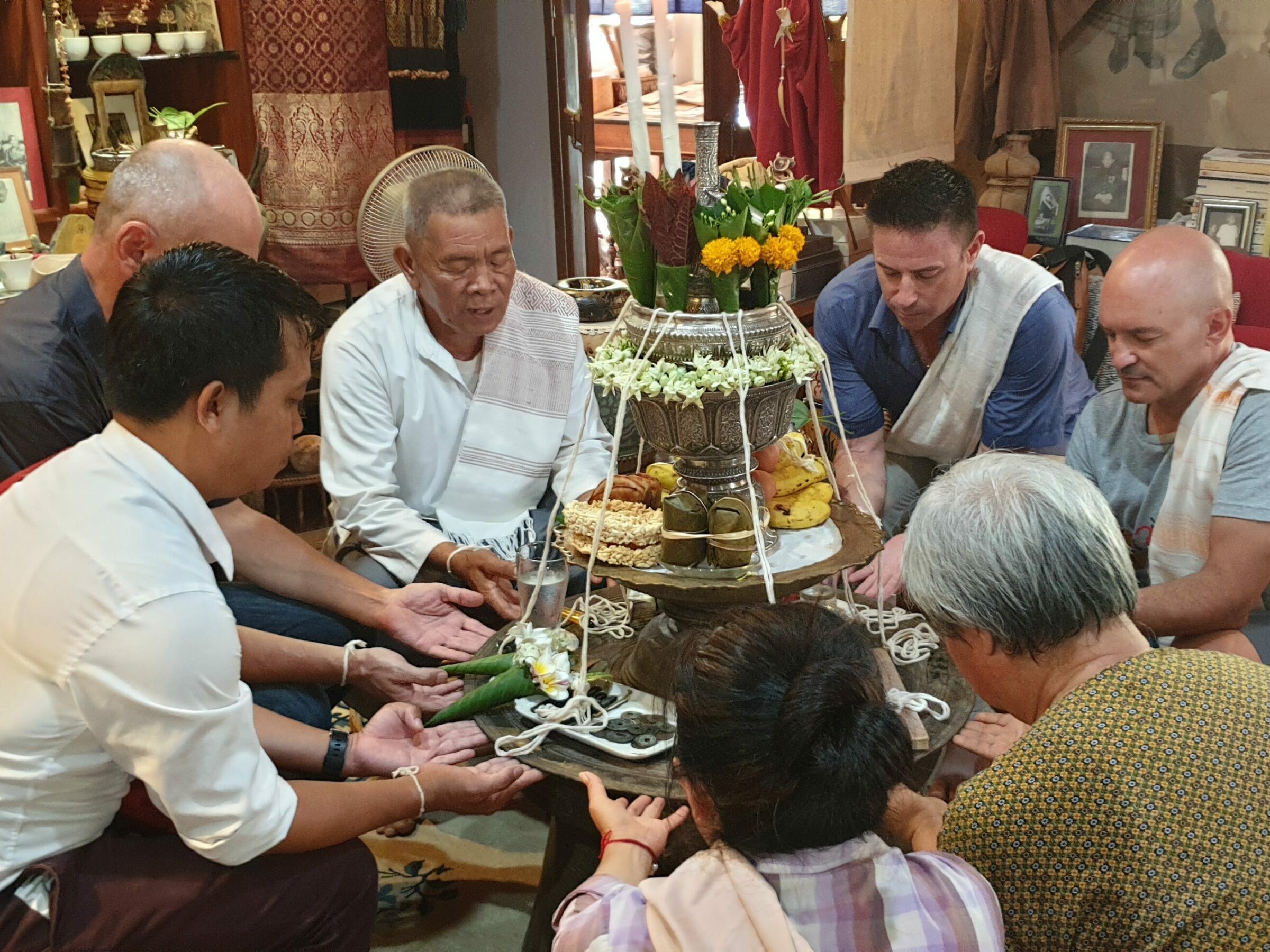
Have you ever felt like a piece of you was left behind in a distant place? In Laos, locals believe your soul can literally wander off when you travel. For centuries, Lao people have used the beautiful Baci ceremony to call back these invisible life forces that protect our bodies, ensuring health, safety, and balance. To truly understand Laos, you must first understand the deep-rooted magic of the Baci.
The Core Meaning: Calling Your Souls Home
To truly appreciate the Baci ceremony, you have to look back long before Buddhism arrived in Laos. The ritual is deeply rooted in ancient Animism, the belief that nature, places, and living things possess a spiritual essence. At the very center of this belief is a fascinating concept: the human body is not just one single entity, but a gathering of 32 distinct spiritual life forces known as khuan.
Every single khuan has a specific job, acting as a spiritual guardian for a different organ or part of your body, from your hands and eyes to your mind and heart. When you experience a major shock, fall ill, go through a massive life change, or travel far away from home, your khuan can become frightened or distracted and literally wander off into the world.
When these protective spirits leave, it creates a dangerous spiritual imbalance. Locals believe this loss is why people experience sudden bouts of illness, bad luck, exhaustion, or a general lack of energy.
This is exactly why the Baci ceremony exists. It is literally a soul-calling ritual. Through sacred prayers and community support, the ceremony acts as a beacon, guiding your scattered spirits out of the wild and inviting them back inside your body to restore your inner harmony, strength, and peace of mind.
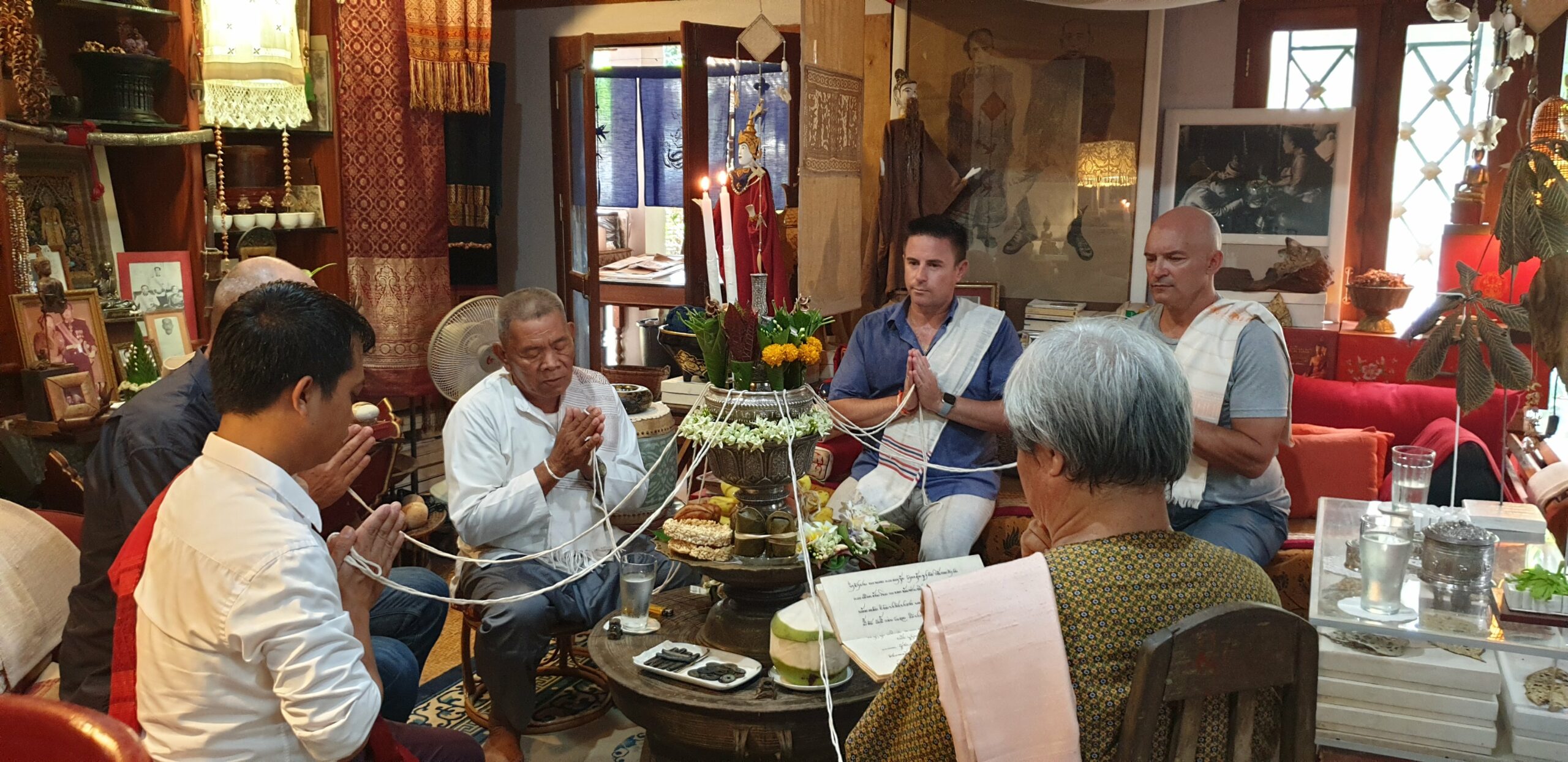
When Does a Baci Happen?
Because the Baci is about keeping the soul balanced, it is woven into the fabric of daily life. Lao people hold a Baci whenever a person is crossing a threshold from one chapter of life into the next. These occasions generally fall into three meaningful categories:
- Milestones and Joyful Transitions
A Baci is the ultimate way to celebrate new beginnings and bring good luck to happy events. You will always see a Baci held for:
- Weddings (To bind the souls of the bride and groom together in harmony)
- Births (To welcome a newborn baby’s spirits safely into the world)
- New Houses (To bless a family moving into a new home)
- Lao New Year (Pi Mai) (To wash away the old year and invite fresh, positive spirits for the year ahead)
- Travel, Arrivals, and Departures
This is where travelers often get to experience. In Lao culture, traveling far away is considered a major disruption to your khuan, as your spirits might get left behind across oceans or borders. Therefore, a Baci is commonly performed:
- To welcome important guests or visitors to a village, (showing deep respect and ensuring a safe stay)
- Farewell to someone leaving for a long time
- Bless a traveler before a long journey, physically anchoring their spirits to their body so they stay protected on the road.
- Healing and Restoring Inner Strength
A Baci is also a powerful tool for comfort during difficult times. When someone goes through a crisis, their spirits are believed to be scattered and weak. A ceremony will be held for recovery from a serious illness or to call back health and vitality. And comforting a grieving family after a loss, using the community’s collective energy to patch up a broken spirit and restore inner strength.
No matter the occasion, a Baci is a beautiful reminder that in Laos, no one faces a major life change alone. The community is always there to help you pull your spirits back together.
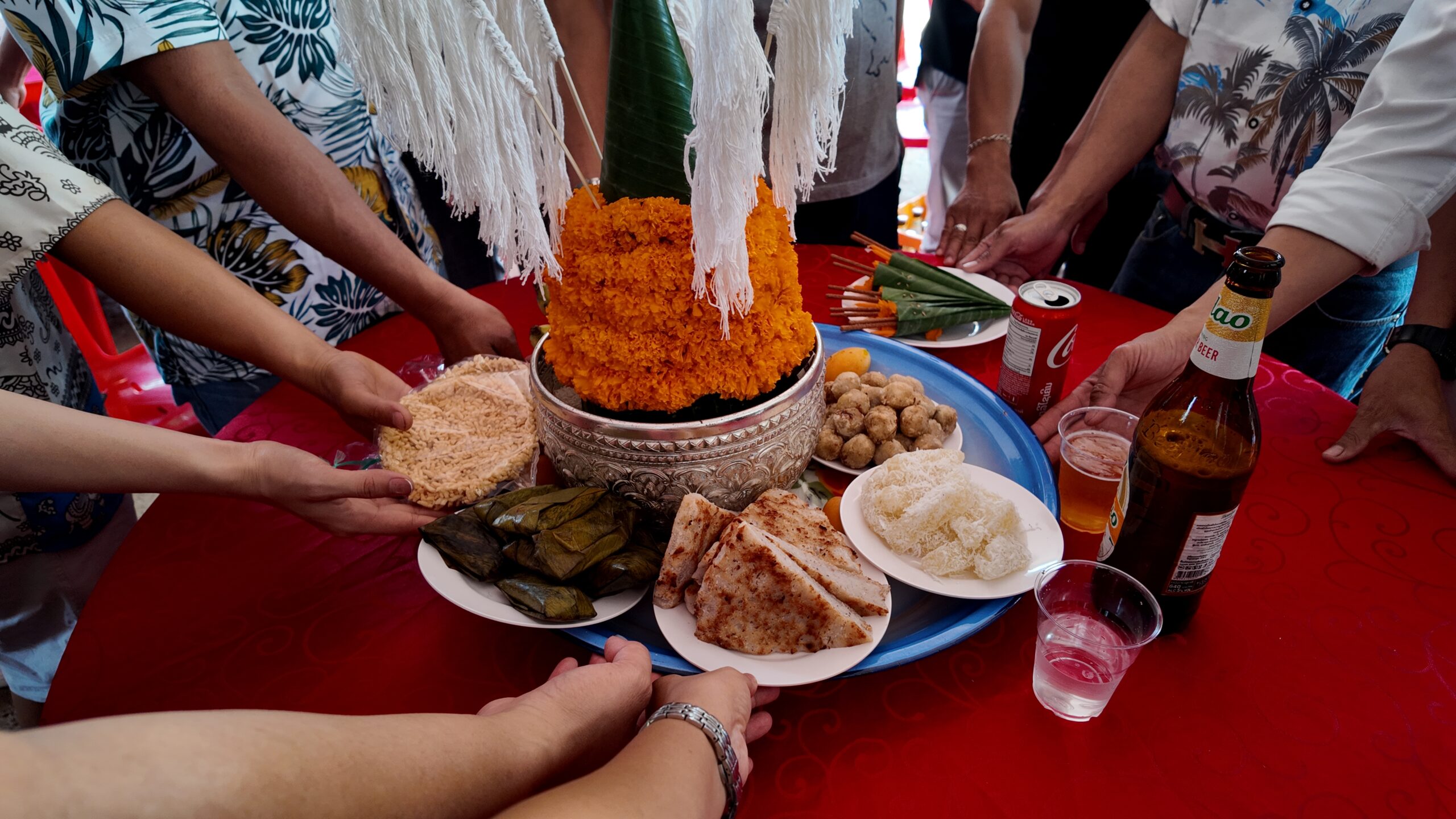
Anatomy of a Baci: Understanding What You See
When you walk into a room prepared for a Baci, your eyes will immediately be drawn to a colorful, intricate display at the center of the gathering. Every single item in this display is highly intentional, carrying a specific symbolic meaning to welcome the returning spirits. Here are the three main components you will see:
1. The Centerpiece (Pha Khuan)
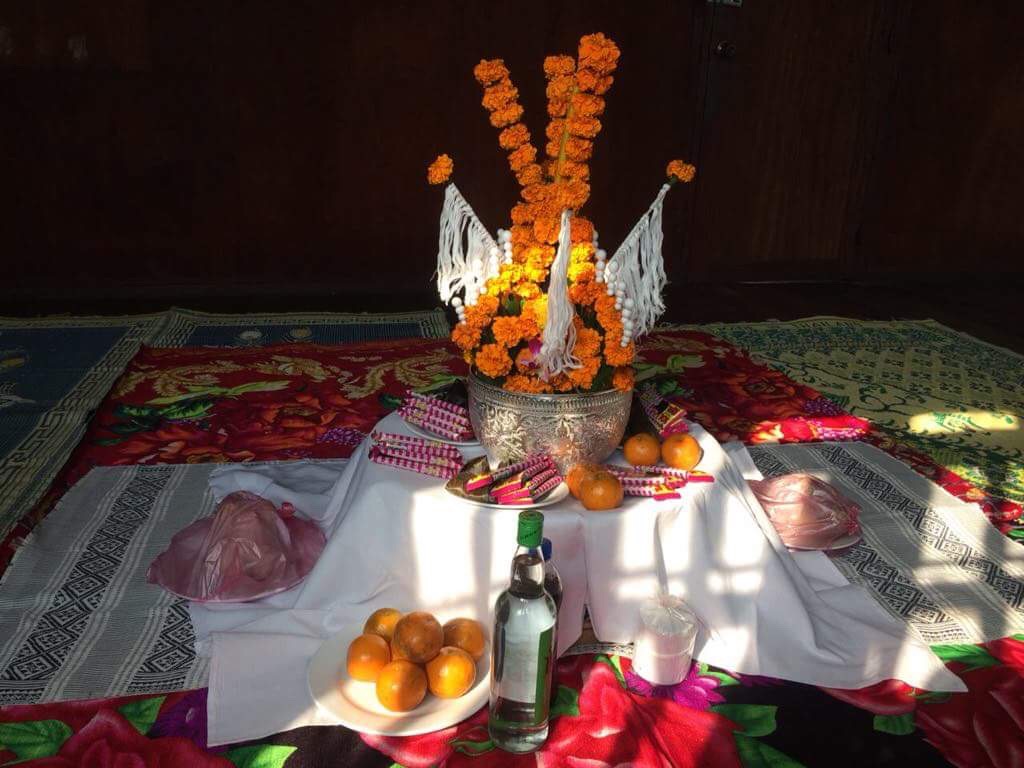
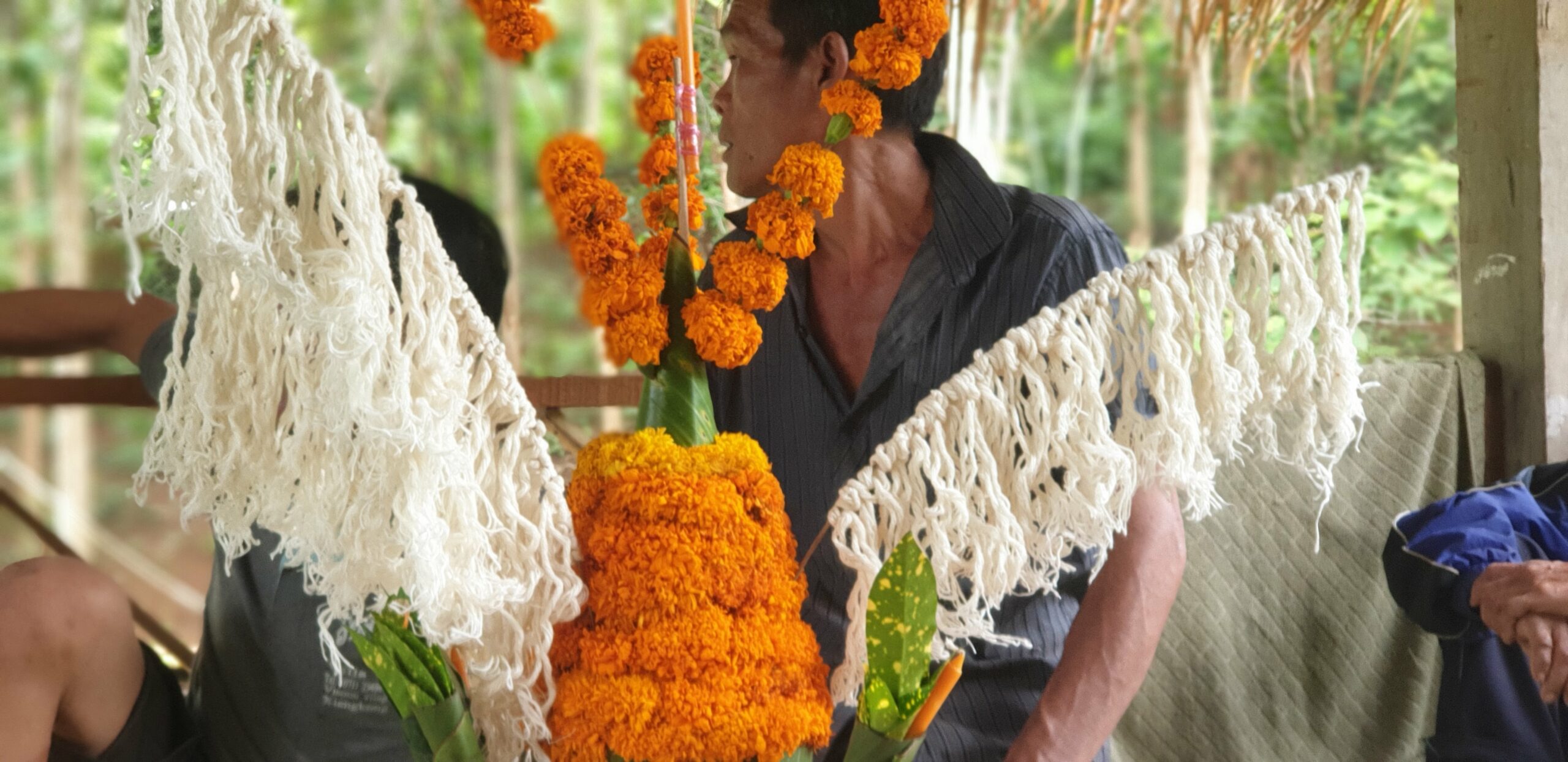
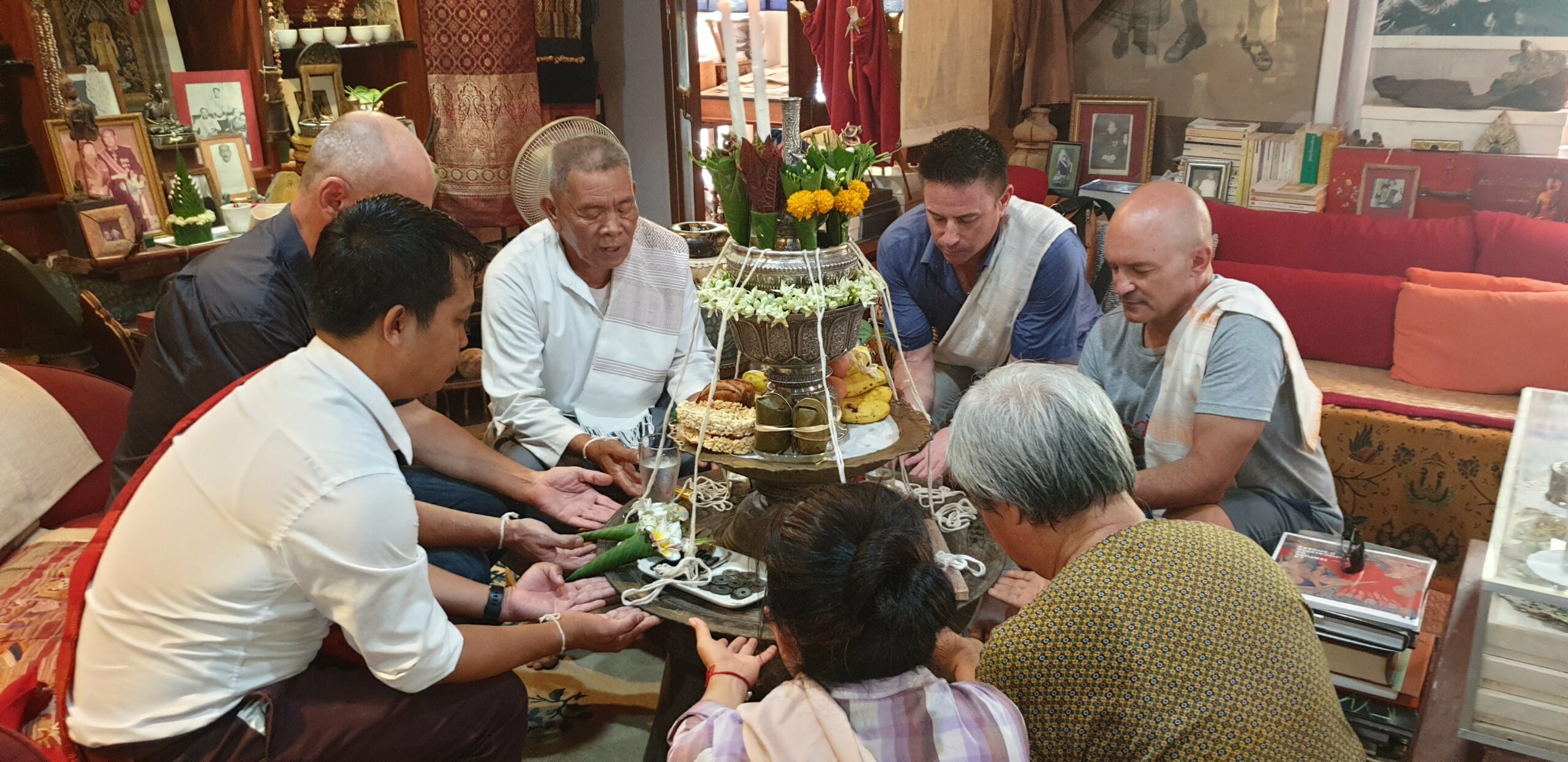
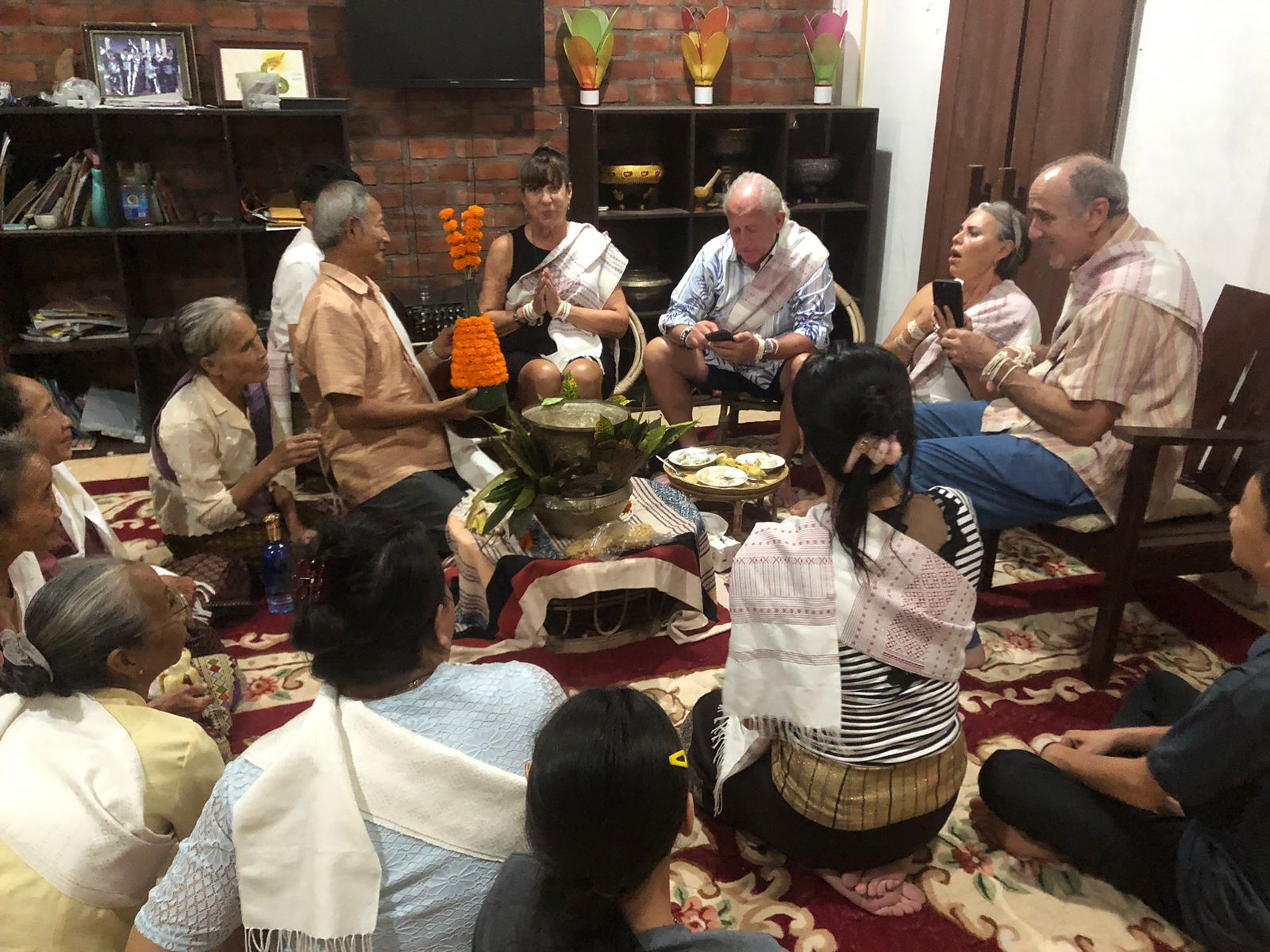
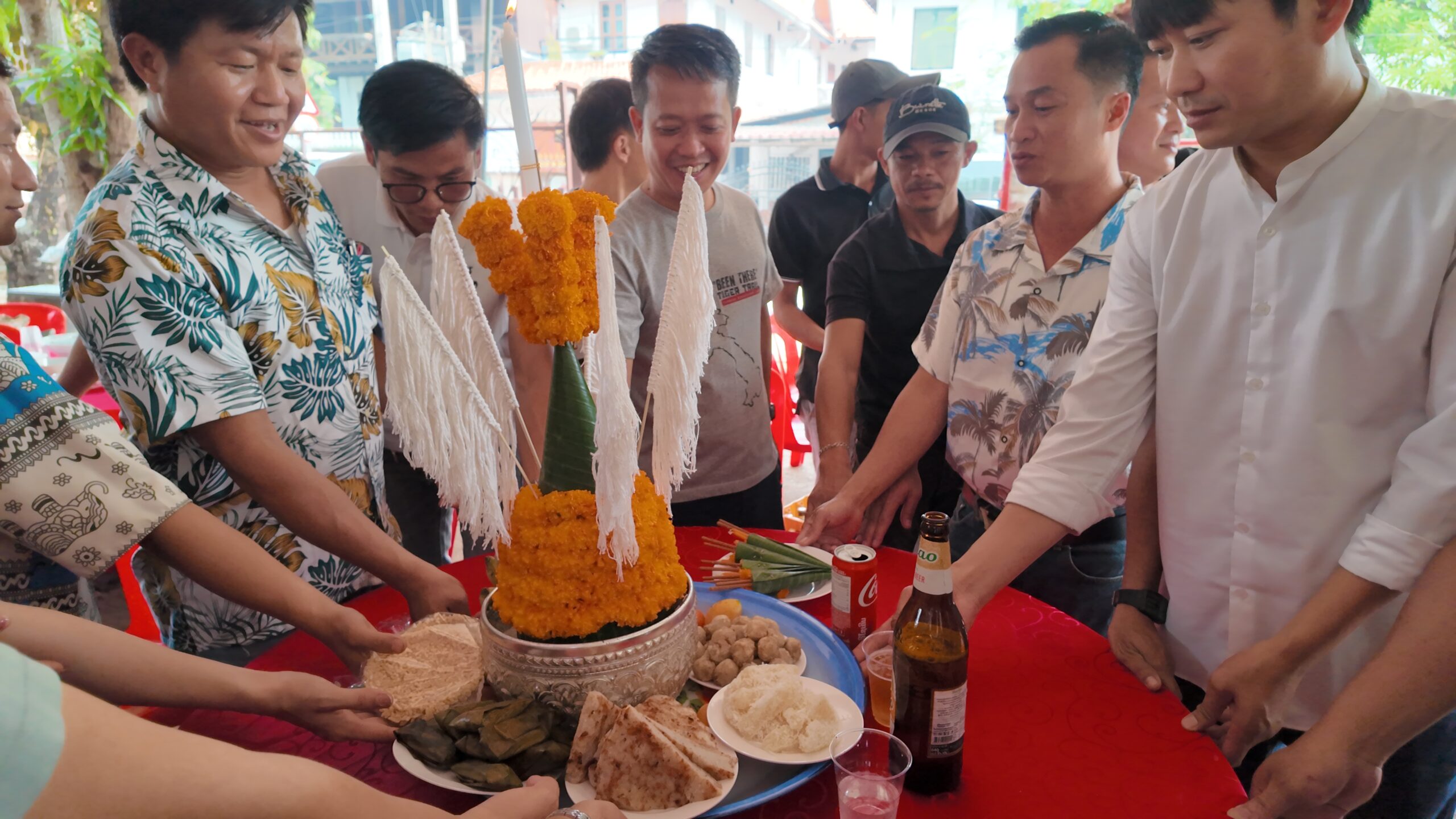
The heart of the ceremony is the Pha Khuan. This is a magnificent, handmade pyramid tower carefully folded and woven out of fresh green banana leaves. Skilled local women spend hours crafting these structures, heavily decorating them with bright orange and yellow marigold flowers, which symbolize prosperity and longevity. The tower acts as a beautiful, welcoming monument for the wandering souls to gather around.
2. The Offerings
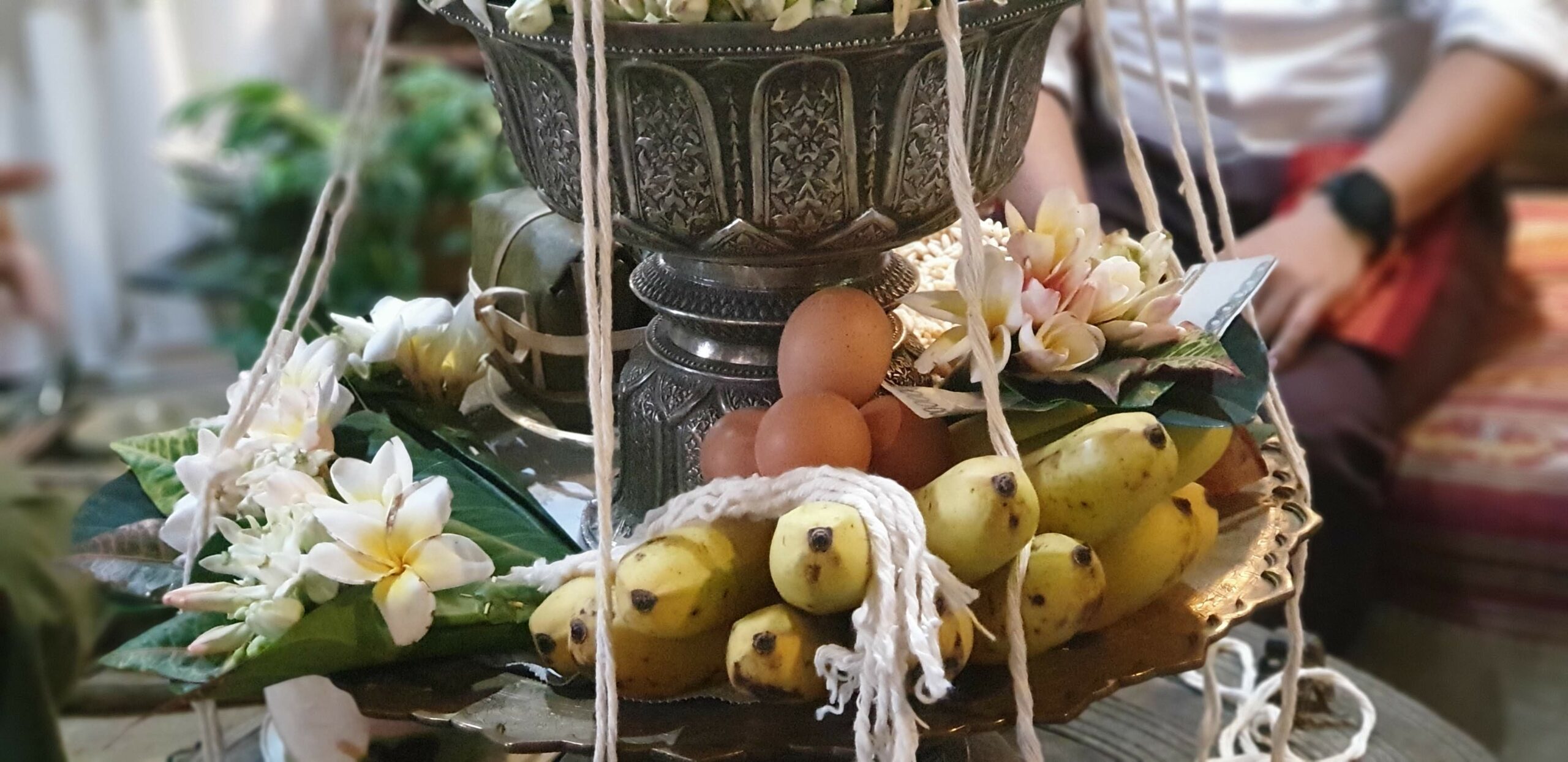
Arranged neatly around the base of the Pha Khuan are various plates of symbolic foods. These are not for the human guests.The offerings are meant to feed and nourish the returning khuan after their long journey. You will typically see a whole boiled chicken and hard-boiled eggs, fresh bananas and sticky rice, local Lao rice whisky (Lao-Lao).
3. The White Cotton Strings
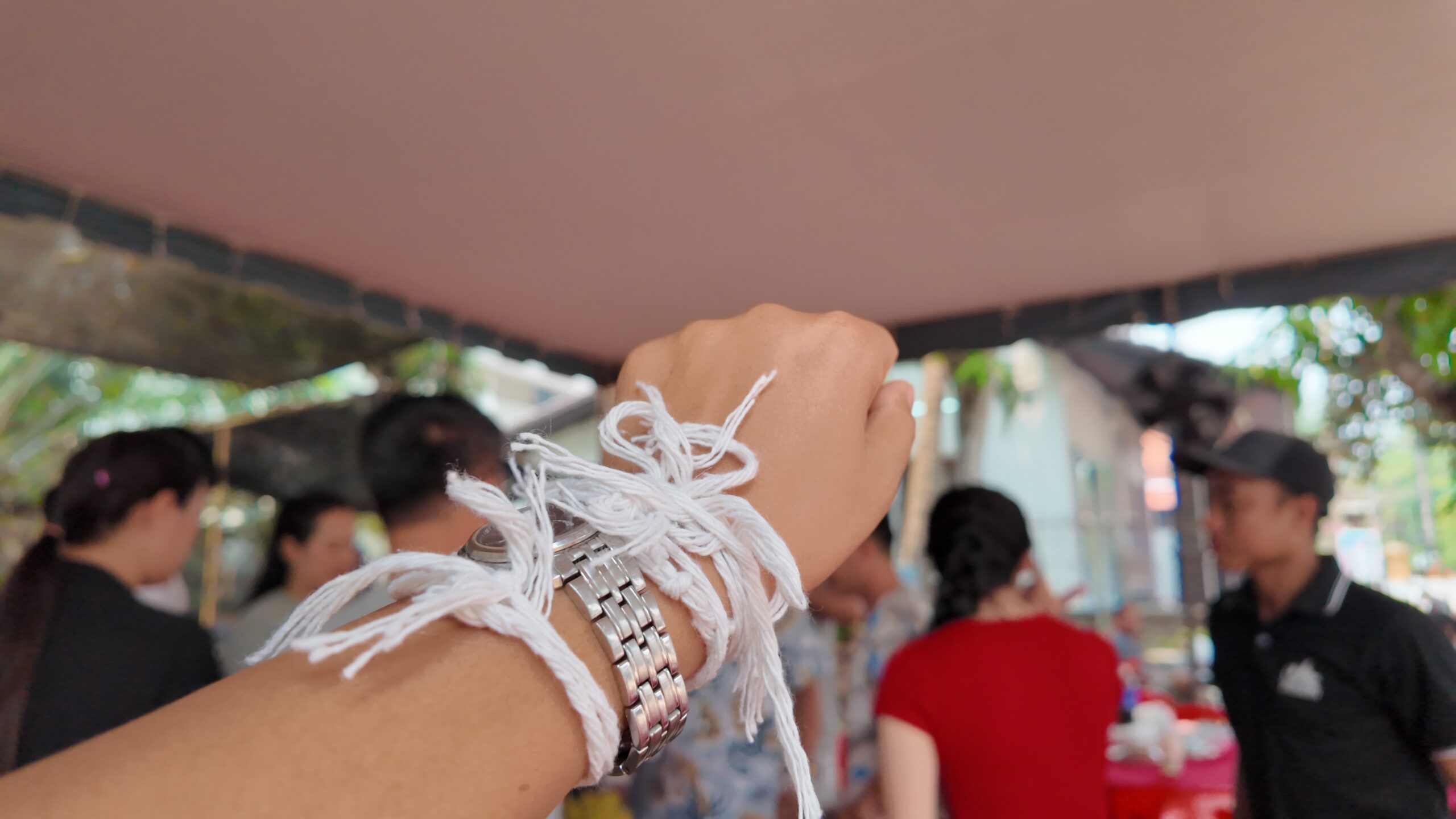
The most iconic and memorable element for any traveler is the white cotton threads. Before the ceremony starts, these long strings are attached directly to the top of the banana leaf tower and draped outward. During the prayers, the threads absorb the positive energy of the chants. Later, they are detached and tied around the wrists of the participants to physically “bind” the good fortune, protection, and all 32 returned spirits securely to your body.
Step-by-Step of a Baci Ritual
If you are invited to attend a Baci, you might feel a little unsure of what to do next. Knowing the general order of events will help you relax and fully connect with the experience.
Here is exactly how the ceremony unfolds from start to finish:
1.The Master of Ceremonies Leads
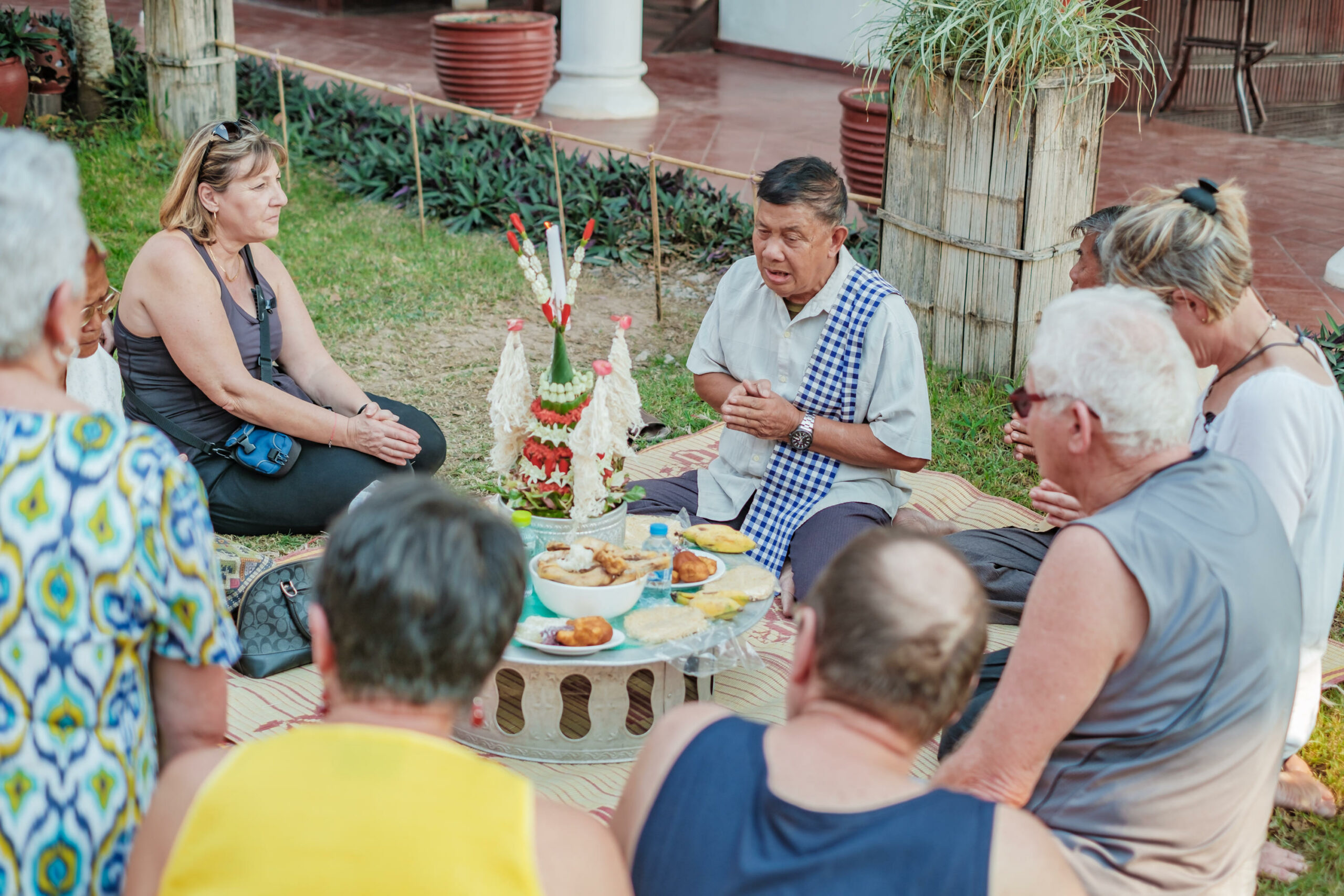
The ritual is led by a Mor Phon. This is a highly respected male elder from the local community, usually a former Buddhist monk. He sits directly facing the Pha Khuan centerpiece and acts as the spiritual guide for the session.
2.The Chanting & Calling of Souls
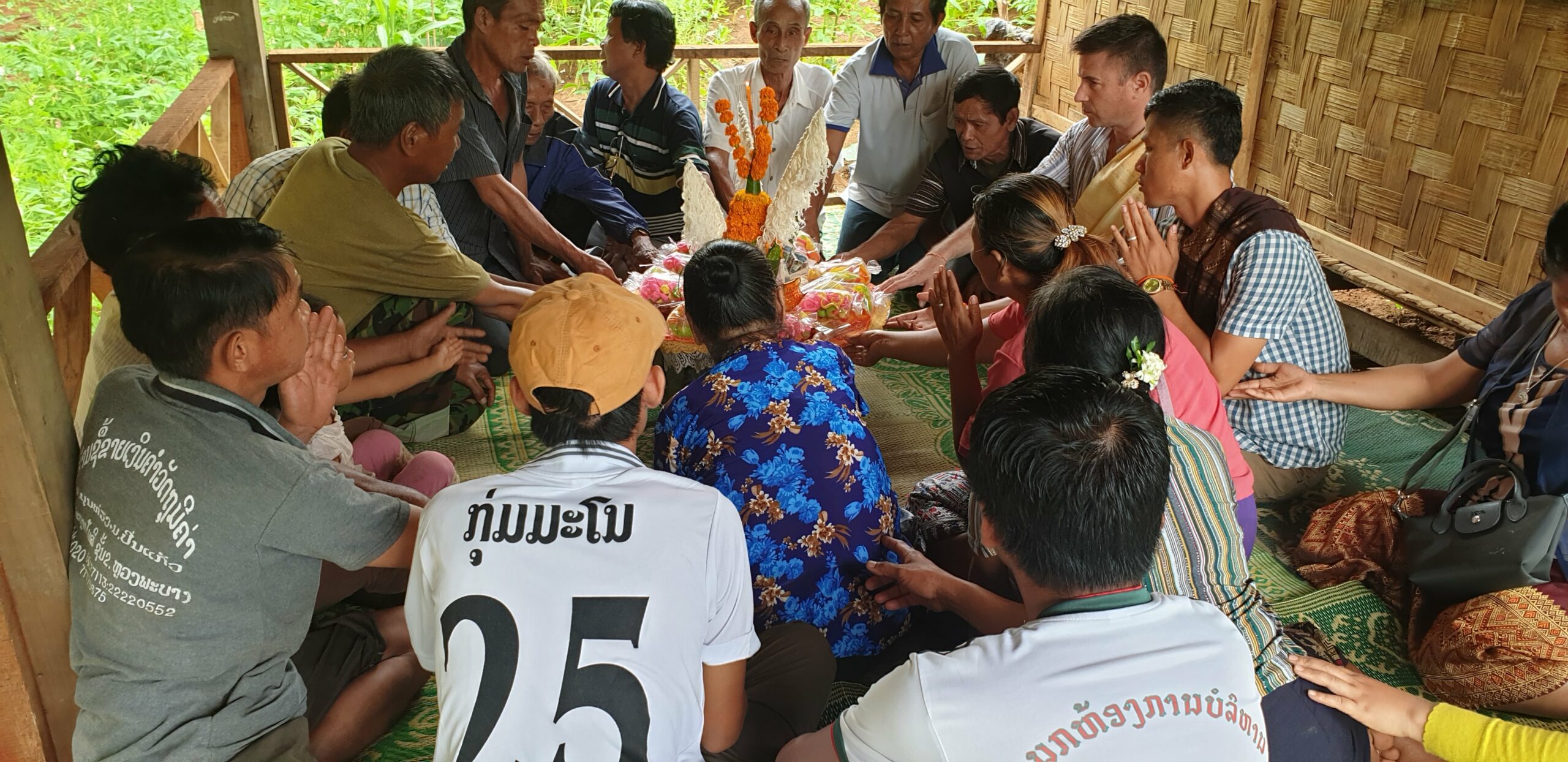
Everyone sits in a close circle on the floor around the centerpiece. You will hold a white thread connected to the banana-leaf tower with your hands held in a prayer position. The Mor Phon chants rhythmic blessings in ancient Lao and Pali, calling out to the wild to tell your spirits it is safe to return.
3.The Wrist-Tying Ritual
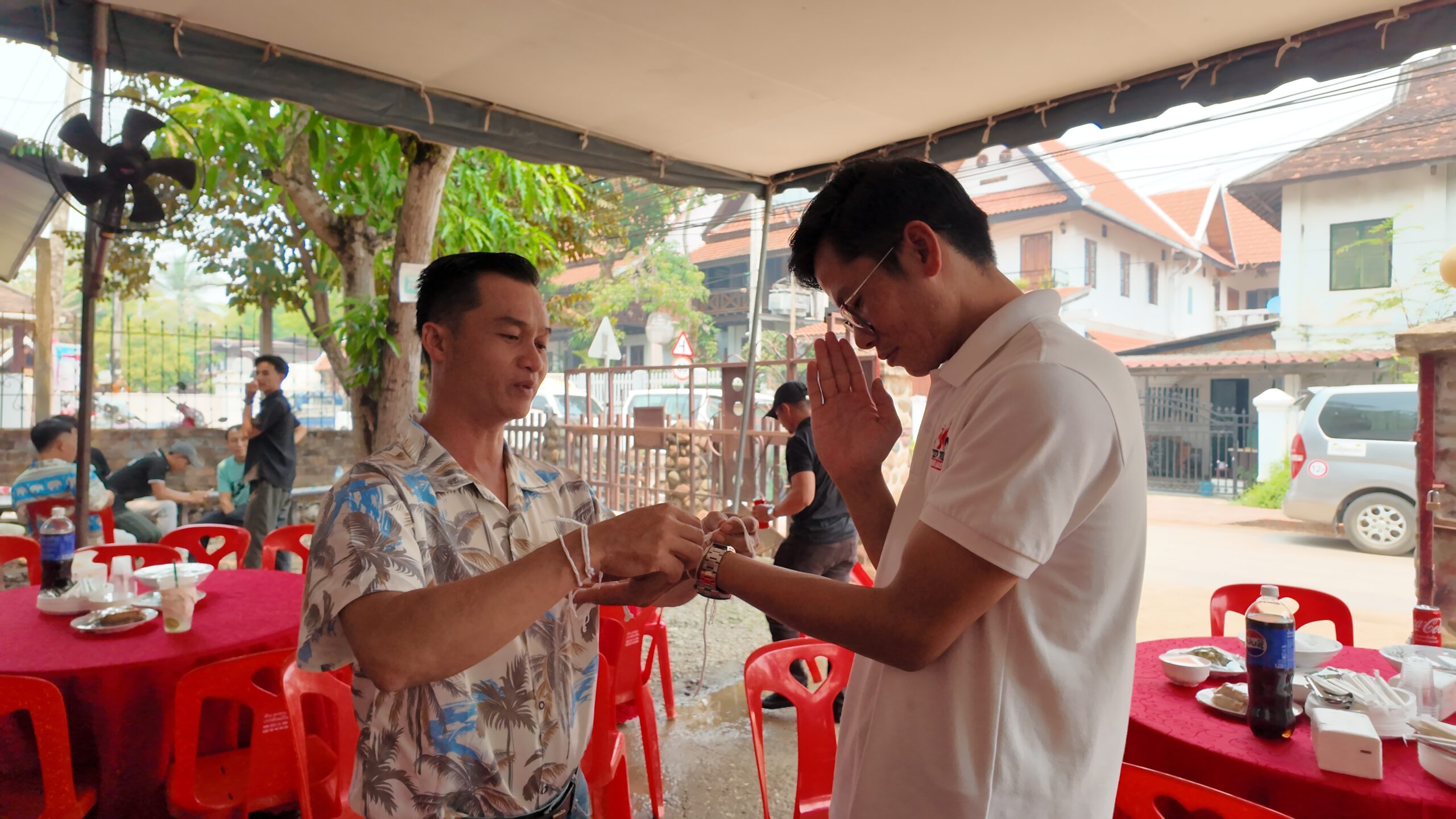
Once the formal chanting concludes, the collective blessing begins. The Mor Phon ties the first strings around the guest of honor. After that, everyone in the room takes turns tying white cotton threads around each other’s wrists. As they tie the knots, they will look you in the eyes and whisper personal wishes for your health, safety, happiness, and a successful journey ahead.
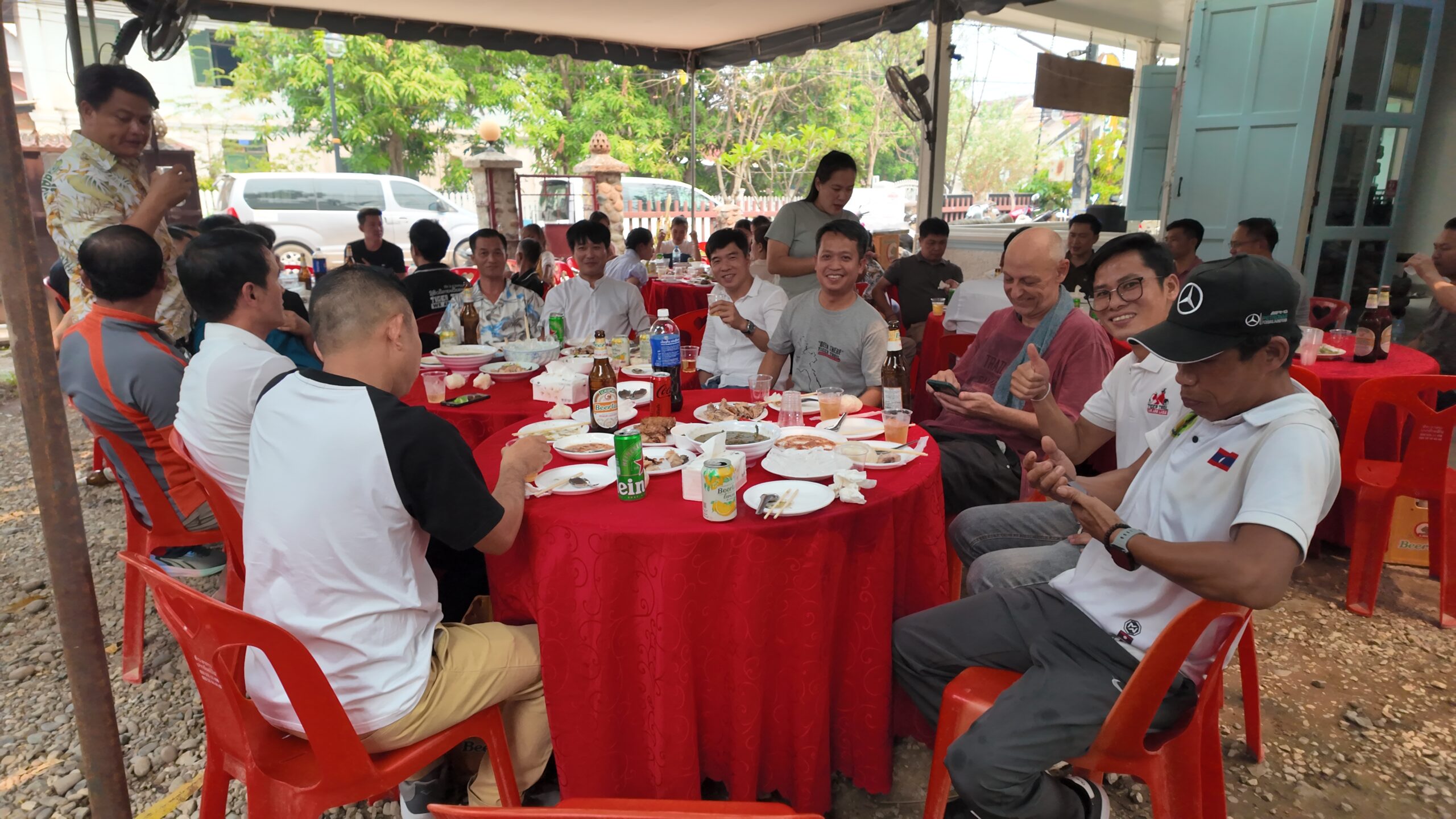
4.The Social Feast
As the last strings are tied, the quiet atmosphere quickly breaks into a joyful celebration. The food offerings are shared, traditional Lao dishes are served, and glasses of local rice whisky or beer are poured. It naturally transforms into a warm social gathering filled with music, laughter, and local hospitality.
Traveler Etiquette Guide: How to Show Respect
Being invited to a Baci ceremony is a sign of deep respect from your Lao hosts. To honor their hospitality, keep these simple, highly important cultural guidelines in mind during the ritual.
Dress Mindfully: Wear neat, respectful clothing that completely covers your shoulders and knees. Avoid anything too tight or revealing. If you are a woman and your hosts provide a traditional embroidered Lao scarf (pha biang), drape it neatly over your left shoulder across your chest.
Mind Your Seating Position: Always remove your shoes before stepping onto the woven mats where the ceremony takes place. When sitting on the floor, you can sit cross-legged or tuck your legs gracefully to one side. Never point the soles of your feet directly at the Pha Khuan centerpiece, the Mor Phon, or another person, as pointing with your feet is considered highly impolite in Lao culture.
Accept the Blessing Correctly: When someone leans forward to tie a cotton thread around your wrist, hold that arm out gently. With your other hand, perform a Nop by pressing your palms together near your chest in a prayer-like gesture. This shows you are actively and respectfully receiving their positive energy and good wishes.
Honoring the Three-Day String Rule: Once the strings are securely on your wrists, do not cut them off. According to traditional Lao belief, the cotton threads must remain intact for at least three full days for the blessings and your 32 souls to properly settle back into your body. When the three days have passed, do not use scissors. Take the time to gently untie the knots by hand to keep the good fortune intact.
Conclusion
A Baci ceremony is more than a simple cultural performance. It is a Lao way of living where community connection, spiritual mindfulness, and genuine hospitality meet. If you are lucky enough to be offered a white string during your travels in Laos, wear it proudly, knowing that you are carrying a piece of local protection and warmth wherever your journey takes you next.
Planning a trip to Laos?
Contact Tiger Trail for authentic experiences.
classictours@laos-adventures.com
WhatsApp: +856 20 58 555 881